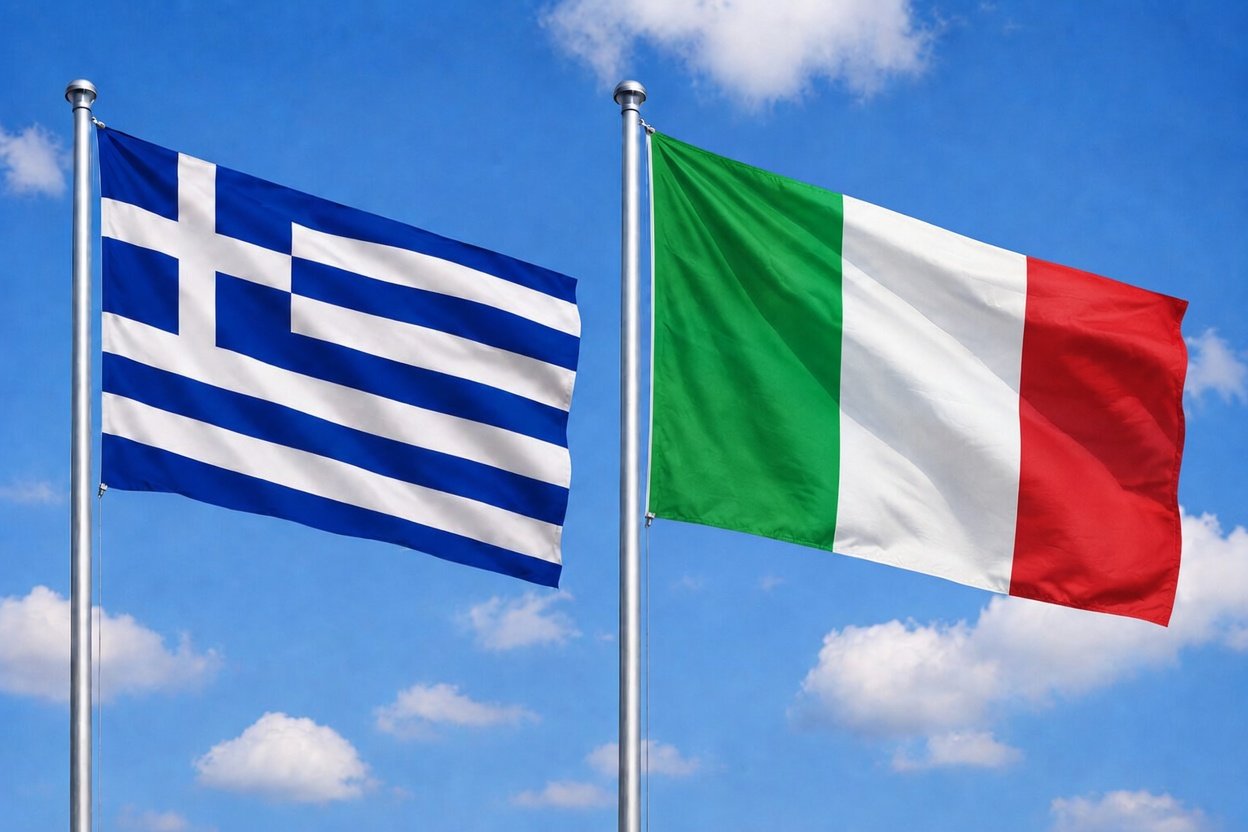
Greece, Italy launch joint cultural exhibition at Acropolis Museum
The exhibition "Inspirations. Ancient Greek Art living in Italy" inaugurated on June 15 at the Acropolis Museum in the presence of the Greek and Italian Ministers of Culture, Lina Mendoni and Alessandro Giuli, explores the many ways in which Greek art was received, reinterpreted and transformed in Italy from the 8th century BC to the 20th century.
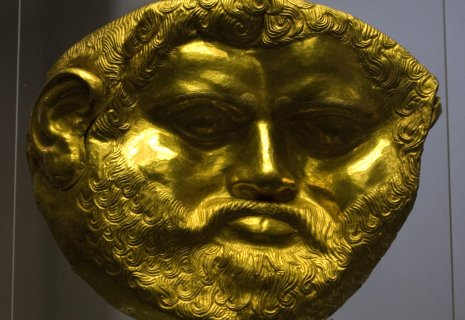
Masterpieces of ancient art, many of which are being displayed in Greece for the first time or have never before left Italy, come together in a unique exhibition that serves as both a tribute and a symbol of cultural cooperation between Italy and Greece.
The exhibition also coincides with the Acropolis Museum’s 17th anniversary, CE Report quotes ANA-MPA.
"Greek art is one of the foundations of Western civilisation, a language of images, forms and symbols," said the Acropolis Museum Director General Professor Nikolaos Stampolidis during a guided tour of the exhibition. "Without the groundwork laid in the 9th, 8th and 7th centuries BC, with the establishment of Greek colonies and cultural exchanges, this shared European civilisation linking Greece and Italy would not exist. Its legacy has been transmitted across Europe and the wider world, continually evolving through the 19th and especially the 20th century."
The exhibition is the result of close cooperation between the Acropolis Museum and the Directorate General for the Enhancement of Cultural Heritage of Italy’s Ministry of Culture, headed by Alfonsina Russo. Admission is free.
The exhibition features 38 works in total: 33 antiquities and five works from the 19th and 20th centuries, including ceramics, sculptures and paintings. Carefully selected, the exhibits illustrate the complex process through which ancient Greek art spread across Italy through diverse forms of cultural exchange.
Organised into seven thematic sections, the exhibition presents its central concept in a clear and accessible manner. While the artworks immediately captivate visitors through their aesthetic appeal, the exhibition design, interpretive material, reconstructions, maps showing the provenance of the artefacts where known, and the accompanying trilingual catalogue reveal a deeper historical narrative.
As Professor Stampolidis noted in the exhibition catalogue, the works on display are material testimonies to the historical conditions of their creation, their removal, acquisition and relocation for various reasons, their reuse and adoption in new environments, and ultimately their replication in their adopted homelands.
The selection of exhibits also vividly demonstrates the fascination that ancient Greek civilisation exerted on the Romans. Its influence proved decisive from the earliest contacts between Greeks and the peoples of the Italian Peninsula-including the Etruscans, Latins and others-as well as with the populations of Sicily and Southern Italy, where major Greek settlements and colonies flourished.
Photo AI