Professor Sylvio Simon: Humans remain most important link in solving tasks - VIDEO
As previously reported, the conference held in the German city of Cottbus and organized by the Alliance of Azerbaijanis in Germany (Alliance), Azerbaijan University of Architecture and Construction, Brandenburg University of Technology Cottbus-Senftenberg (BTU), and the Fraunhofer Institute for Ceramic Technologies and Systems (IKTS), was remembered for its engaging and intensive discussions.
At the conference titled “The Role of Education in the Development of Smart Cities: Challenges and Perspectives” (“Smart Education in Smart Cities: Challenges and Solutions”), academics and experts from Germany and Azerbaijan exchanged views on a wide range of relevant issues and topics.
Planet FM, the official media partner of the event, conducted interviews with officials and scientists participating in the discussions and prepared a series of reports.
In an exclusive interview with Planet FM, Dr. Eduard Völker of Brandenburg University of Technology Cottbus-Senftenberg (BTU) spoke about the importance of thermodynamics in modern urban planning:
“I would like you to elaborate on the significance of thermodynamics in modern urban development. To what extent is the application of thermodynamics possible today?”
“One can indeed make use of it and not only heat new buildings with conventional convection radiators but also with radiant heating systems. Radiant heating has the advantage that heat is distributed differently, making it very attractive for new buildings, but also for existing ones. An additional function it offers is cooling capacity.
In other words, buildings can be heated and cooled simultaneously, which distinguishes this technology from other systems and makes it highly efficient for buildings.”
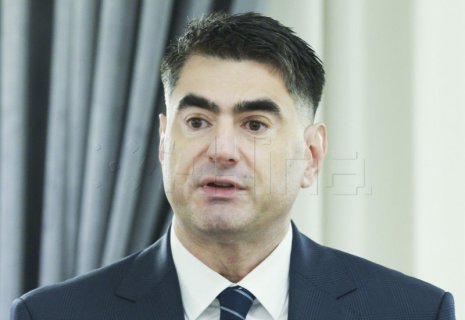
Altay Rustamli, Chairman of the Board of the Alliance of Azerbaijanis in Germany, commented on the significance of the event and expectations for the future:
“The role of corporate organizations is not limited to preserving national and cultural identity. Diaspora organizations also serve as institutions that create professional platforms in the fields of science, technology, and engineering. For this reason, as the German-Azerbaijani Alliance, we are organizing the Third Forum of Azerbaijani Engineers in Europe this year.
Since the second forum, we have established a tradition of holding a scientific and practical conference at different German universities before the forum each year. These conferences focus on building a network of Azerbaijani engineers in Europe and exploring their potential role in the development of both German and Azerbaijani society.
Today, within the framework of the same initiative, we held a scientific and practical conference at Brandenburg University of Technology with the participation of the Fraunhofer Institute, Azerbaijan University of Architecture and Construction, and the Intellectual Property Agency. The theme of our conference was ‘Smart Education in Smart Cities.’
A solid foundation for future cooperation has been created, and the issues discussed here today are expected to evolve into concrete ideas and partnerships.”
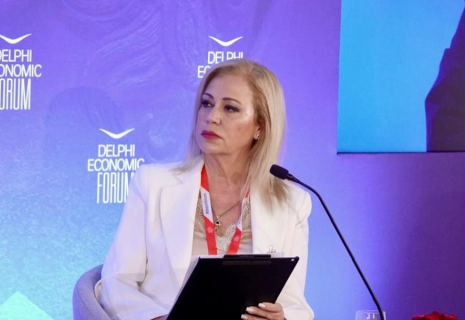
Professor Constanze Tschöpe, Group Leader at the Fraunhofer Institute for Ceramic Technologies and Systems (IKTS), shared her views on artificial intelligence:
“Professor, what fundamental innovations do you expect in the field of machine learning over the next five years? What will be the next major wave after Generative AI?”
“From our perspective, it is essential to place greater focus once again on developing models that can operate effectively with limited data. At present, much of the field is oriented toward big data. However, in our work, we often deal with small datasets, unbalanced datasets, or missing data. Therefore, it is important to develop approaches that can still deliver reliable and high-performance results under such conditions.”
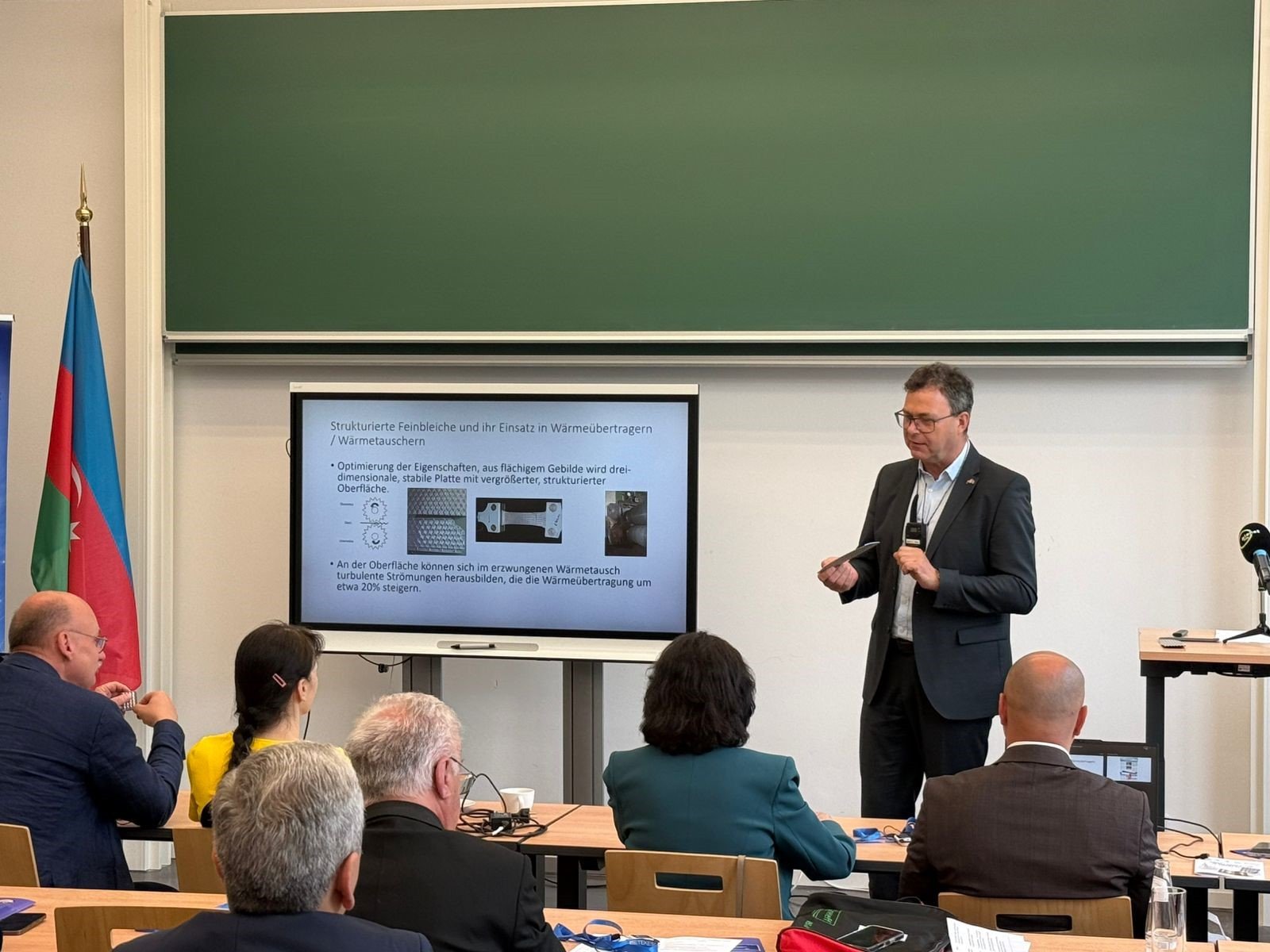
Sylvio Simon, Professor at Brandenburg University of Technology Cottbus-Senftenberg (BTU), answered a Planet FM question regarding the role of machines in the modern world:
“Have we already reached a stage where machines can completely take over not only physical labor but also engineering decision-making? Or will humans continue to remain the most important element in the system?”
“Here in Germany, we have not yet reached a stage where machines can do everything independently. Human beings remain the most important component in solving tasks. Machines can prepare and support a great deal of work, but the final decision must still be made by humans.”
The conference provided a comprehensive platform for the exchange of ideas and experiences and strengthened scientific dialogue between the participating countries. In the near future, the parties plan to further deepen their relations and give them a more strategic character. This can be regarded as a unique approach in the development of relations between Germany and Azerbaijan.