Bosnia, Kosovo risk millions as EU reform deadlines slip
More than a year after the launch of the European Union's Growth Plan for the Western Balkans, worth €6 billion, only Montenegro, Albania, and North Macedonia have secured more than one payment linked to the implementation of reforms.
According to Euractiv, the uneven progress shows that political instability is holding some countries back, while also raising the question of whether governments are carrying out lasting reforms or merely meeting deadlines to unlock funding, CE Report quotes FENA.
The European Commission launched the Growth Plan in 2023 to accelerate European integration. Financial support is conditional on the implementation of specific economic, institutional, and rule of law reforms, alongside the gradual integration of the six Western Balkan countries into parts of the EU single market.
Bosnia and Herzegovina has not yet implemented any of the reforms envisaged under the Growth Plan and has therefore been unable to access the available funds.
EU High Representative for Foreign Affairs and Security Policy Kaja Kallas warned during a recent visit to Sarajevo that further delays would result in additional financial losses.
Bosnia and Herzegovina has already lost €108 million and could forfeit more than €370 million by the end of the year.
Kosovo faces a similar challenge. It received €61.8 million in pre-financing in April, but the ongoing political crisis has prevented the implementation of the necessary reforms.
The Kosovan government estimates that the country has already lost around €40 million due to failing to meet reform targets by the end of June and could lose a total of €250 million by the end of the year unless a functional government capable of adopting the required legislation is formed.
European Parliament rapporteur for Kosovo Riho Terras said the country cannot move forward until the political crisis is resolved.
Serbia received one payment in January, but European Parliament rapporteur Tonino Picula called for further disbursements to be suspended until Belgrade demonstrates a stronger commitment to European reforms.
Marko Todorović, an analyst at the European Policy Centre in Belgrade, said Serbia has a capable administration and a stable parliamentary majority, making the failure to fulfill its obligations a matter of political priorities rather than administrative capacity.
He added that pressure on the authorities will increase because funds that remain unused could be redirected to countries making faster progress.
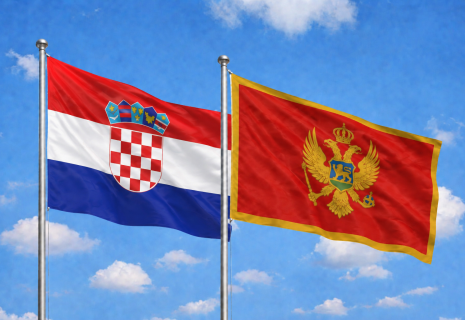
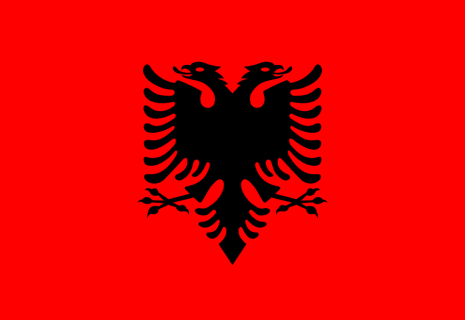
Albania, Montenegro, and North Macedonia have secured multiple payments despite their own political divisions. Stable parliamentary majorities, such as in Albania, and political compromises in Montenegro have enabled the faster adoption of reform measures.
Nevenka Vuksanović, Director of the Centre for Democracy and Human Rights in Podgorica, cautioned that formally meeting targets in Montenegro has not always been accompanied by verifiable structural reforms.
According to Vuksanović, numerical targets have often been achieved, but the documentation needed for independent verification of results is not available, particularly in the areas of the judiciary and the rule of law.
The European Commission said the Growth Plan is both an instrument for European integration and a test of the Western Balkan governments' ability to deliver the reforms they have promised.
Photo: Pexels (Free Stock Photos)