Bulgaria steps up fight against energy poverty - EXCLUSIVE
Bulgaria is stepping up efforts to reduce energy poverty and expand access to energy-efficient home renovations, with a particular focus on supporting vulnerable households through new funding mechanisms and targeted policies.
This was said by the source in the Ministry of Energy of Bulgaria, in an exclusive interview with CE Report.
According to the latest Eurostat data, 29.9% of Bulgaria's population lives in homes where energy-efficiency improvements have been carried out, placing the country above the EU average. However, only 21.8% of people at risk of poverty or social exclusion have benefited from such improvements, highlighting a significant gap the government aims to address.
The ministry said reducing energy poverty and improving access to energy-efficiency measures for vulnerable households remain among its highest priorities. To support this goal, the Bulgarian government has adopted new regulations establishing clear criteria and procedures for identifying households experiencing energy poverty and vulnerable electricity consumers.
A dedicated electronic information system, currently under development, will manage the process of identifying eligible households. The platform, maintained by the Ministry of Innovation and Digital Transformation, is expected to become fully operational later this year and will enable authorities to provide targeted support more effectively.
Households classified as energy poor will receive preferential conditions under residential building energy renovation programmes. The ministry also highlighted the recent appointment of the manager of the National Decarbonisation Fund, noting that part of the fund's financial resources has been specifically reserved for vulnerable households and energy-poor consumers.
According to the ministry, the National Decarbonisation Fund will provide financial instruments to support residential building renovations while improving access to financing for low-income households. These measures will be complemented by support available through the Social Climate Fund.
Looking ahead, the ministry plans to accelerate residential building renovations by combining public funding with greater private investment. Under the rules governing the National Decarbonisation Fund, the fund manager must secure at least one euro of private investment for every euro of public funding, creating a minimum 1:1 leverage ratio.
Officials believe this financing model will increase the overall resources available for energy renovations, improve the efficiency of public spending, and create a sustainable long-term system capable of supporting a much higher renovation rate across the country.
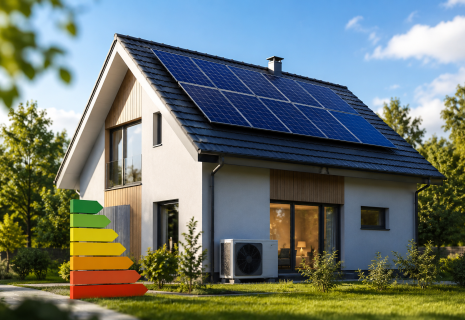
The ministry also stressed that renovating multi-family residential buildings will lower energy consumption, reduce household energy bills, improve living conditions, and encourage the use of renewable energy sources. These measures are expected to contribute directly to Bulgaria's national and European decarbonisation goals.
Additional financing will come through the Just Transition Programmes, which focus on Bulgaria's coal-dependent regions of Stara Zagora, Pernik, and Kyustendil. One of the key initiatives under these programmes is dedicated to the sustainable renovation of multi-family residential buildings while also addressing energy poverty.
Photo: Ministry of Energy of Bulgaria
This interview was prepared by Laura Hoffman