Moldova unveils long-term strategy for waste-to-energy projects - EXCLUSIVE
Moldova is expanding its strategy to promote waste-to-energy projects and renewable gases as part of its long-term decarbonization and energy security goals, while strengthening cooperation with Japan under the Joint Crediting Mechanism (JCM).
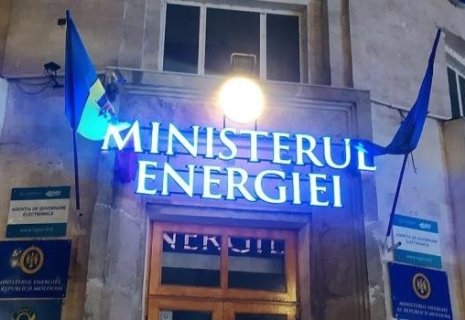
This was said by the source in the Ministry of Energy of Moldova, in an exclusive interview with CE Report.
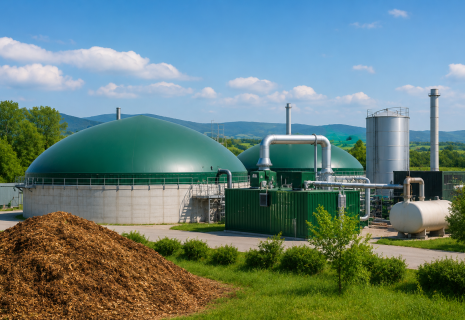
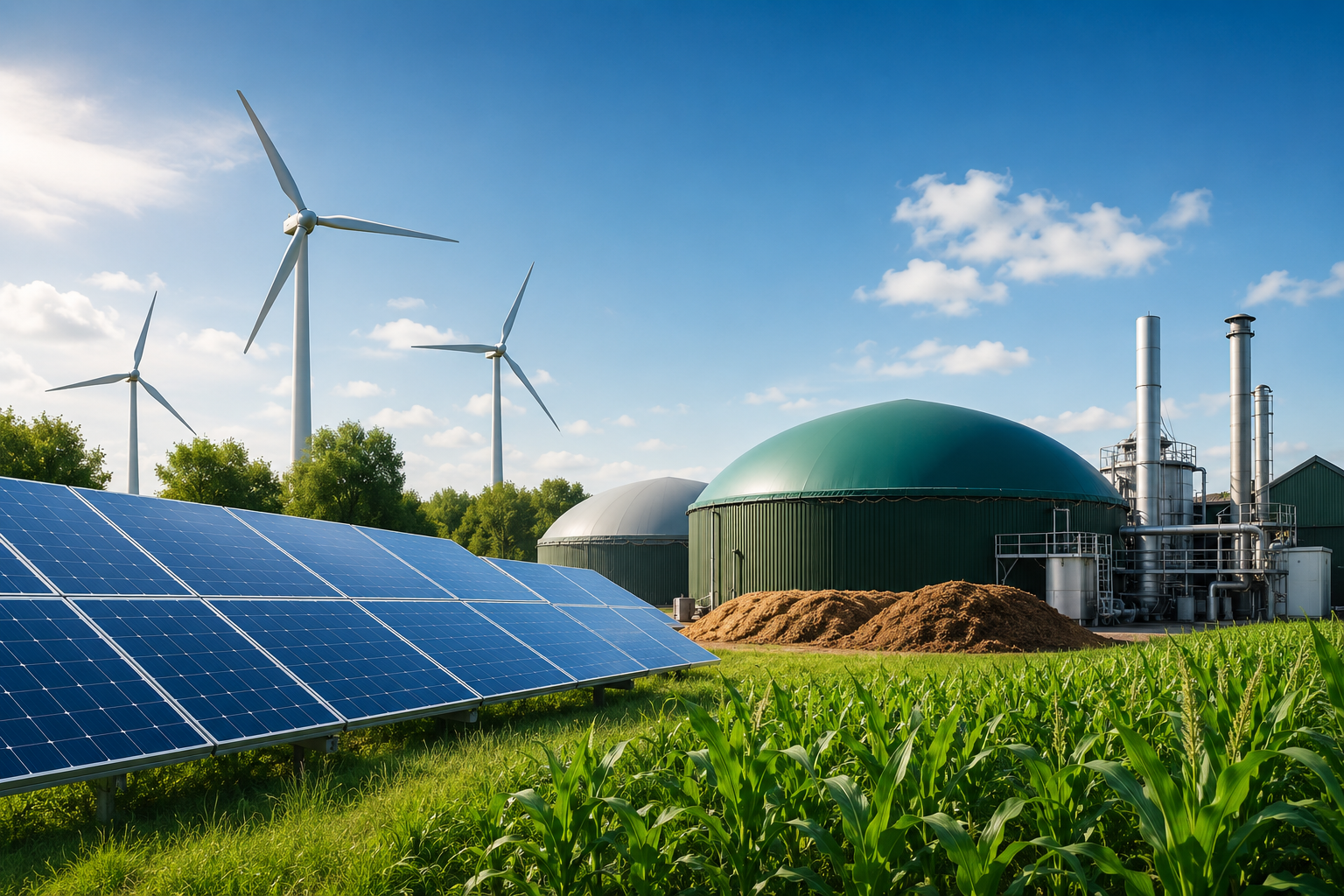
The ministry said waste-to-energy solutions, including biogas, have become an important component of Moldova's decarbonization agenda, helping reduce dependence on imported fossil fuels while making productive use of agricultural and industrial waste.
According to the ministry, these priorities are already reflected in the National Energy and Climate Plan (NECP) 2025–2030, which includes dedicated measures for the construction of new biogas-based cogeneration plants and waste-based cogeneration facilities.
The draft Energy Strategy of the Republic of Moldova for 2025–2050 also identifies renewable gases, hydrogen, and waste-to-energy as strategic priorities. Under the strategy, Moldova aims to develop 20 MW of electricity and heat generation capacity from waste by 2030, increasing this to 50 MW by 2050. The country also plans to raise the share of renewable gases in the natural gas grid to 0.5 percent by 2030 and 40 percent by 2050.
The ministry highlighted that Government Decision No. 599 of September 17, 2025, introduced support measures for renewable electricity production through a feed-in tariff mechanism covering a total capacity of 95 MW. This includes 40 MW allocated to biogas-based cogeneration plants using agricultural, industrial, municipal, and livestock waste, while an additional 55 MW has been reserved for cogeneration facilities using solid biofuels, agricultural residues, and municipal solid waste.
The ministry also revealed plans to conduct feasibility studies for waste-to-energy projects in Chișinău and Bălți. These studies will assess technical, financial, environmental, and procurement aspects before larger-scale implementation.
According to the ministry, the results of these assessments will help determine the most effective incentive mechanisms, including possible fiscal incentives for energy crop cultivation, tariff support, and co-financing arrangements designed to attract private investment. Officials added that these efforts are supported by broader market reforms and Moldova's ongoing alignment with European Union legislation.
The ministry also noted that it is working closely with Swedfund, which has provided a grant of 9,000,000 Swedish Krona (SEK) to finance consultancy services supporting the development of the waste-to-energy sector.
Regarding cooperation with Japan, the ministry described the Joint Crediting Mechanism as an important instrument for accelerating the deployment of low-carbon technologies while strengthening international climate cooperation.
Officials said priority under the mechanism is generally given to technically and financially viable projects that contribute to Moldova's strategic energy objectives, particularly energy security by increasing domestic renewable energy production. Renewable electricity generation, biogas and biomass applications, industrial decarbonization, and the integration of renewable energy into district heating systems have been identified among the key priority areas.
The ministry stressed that projects supported under the JCM must deliver measurable and verifiable greenhouse gas emission reductions while strengthening the resilience of Moldova's energy system. Project selection is based on cost-benefit analyses, feasibility studies, and close consultation with national and international experts and stakeholders throughout the development process.
Photo: Chat GPT
This interview was prepared by Laura Hoffman