EU ban on destroying unsold clothing boosts reuse
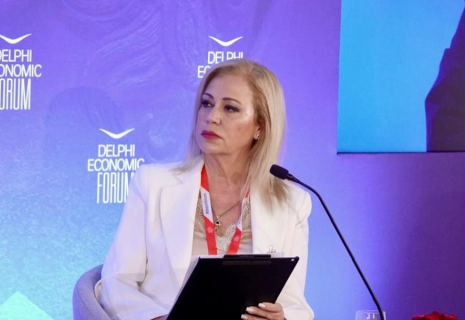
The EU ban on destroying unsold clothing will promote reuse and sustainable production, BACT Executive Director Sirma Zheleva and Eleonora Yosifova of the For the Earth Zero Waste team told BTA on Monday.
They said the aim should be to curb textile overproduction and reduce its environmental harm.
The ban entered into force on July 19, 2026. It currently applies to large enterprises and is part of the Ecodesign for Sustainable Products Regulation (ESPR), CE Report quotes BTA.
“We expect the ban to push manufacturers to improve production and distribution planning,” Zheleva said. “Reuse is now the only permitted option for handling unsold items,” she added. “Unrestricted destruction, a practice used by some companies, is no longer allowed,” Zheleva said.
“The ban alone will not be enough to significantly cut textile waste. It must be part of a broader policy to curb overproduction, set binding targets for textile waste prevention and promote durability, repair and reuse,” Yosifova said. She noted that For the Earth is part of Zero Waste Europe, which is working to reduce textile waste by one third by 2040 compared with 2020 levels.
Zheleva and Yosifova also discussed recycling.
“Recycling must not become an easy alternative to destruction,” Yosifova said. “In the waste hierarchy, prevention, extending product life, repair and reuse come before recycling,” she added.
“Recycling is also treated as destruction under the ESPR. It is allowed only if the need for destruction is proven and takes precedence over other recovery or disposal methods,” Zheleva said.
How the Ban Came About
“The ban was introduced because of a business model built on routinely producing more clothes than the market can absorb,” Yosifova said.
She cited Zero Waste Europe data putting average overproduction in the sector at about 20%.
Yosifova said low production costs, fast-changing collections and free returns for online purchases further fuel excessive production and over-ordering. Some unsold or returned goods are later destroyed, she added. The practice not only generates waste but also wastes raw materials, energy, water and labour.
“When a new garment is destroyed, all the resources used to make, dye, transport and package it are lost,” Yosifova said.
At this stage, the ban applies to the destruction of unsold items by large companies. It will apply to medium-sized enterprises in 2030.
“The ban also covers goods returned after a purchase is cancelled or a right of return is exercised,” Zheleva said. “Companies will have to find ways to manage unsold items, focusing mainly on alternative markets where they can be distributed for reuse,” she added. “Destruction is allowed only in specific cases, which must be substantiated and documented,” Zheleva said.
Bulgaria Seeks a Sustainable Path for Textile Use
“A major problem is the lack of sufficiently detailed, publicly available data on the quantities of textiles placed on the market in Bulgaria, collected separately, prepared for reuse, exported, recycled or left in mixed municipal waste,” Yosifova said.
“Without reliable data, it is difficult to plan a national system and measure whether it is actually reducing waste,” she added.
Yosifova said a textile waste management system is needed that prioritizes prevention, reuse and repair over recycling.
More than 8,000 tonnes of textile waste, including industrial waste, were collected separately in Bulgaria in 2024, according to BACT data released in late 2025.
“At least 70% of textiles collected through separate collection containers are usually prepared for reuse or recycled, while reuse remains the priority with the greatest environmental value,” Zheleva told BTA in an interview in December 2025.
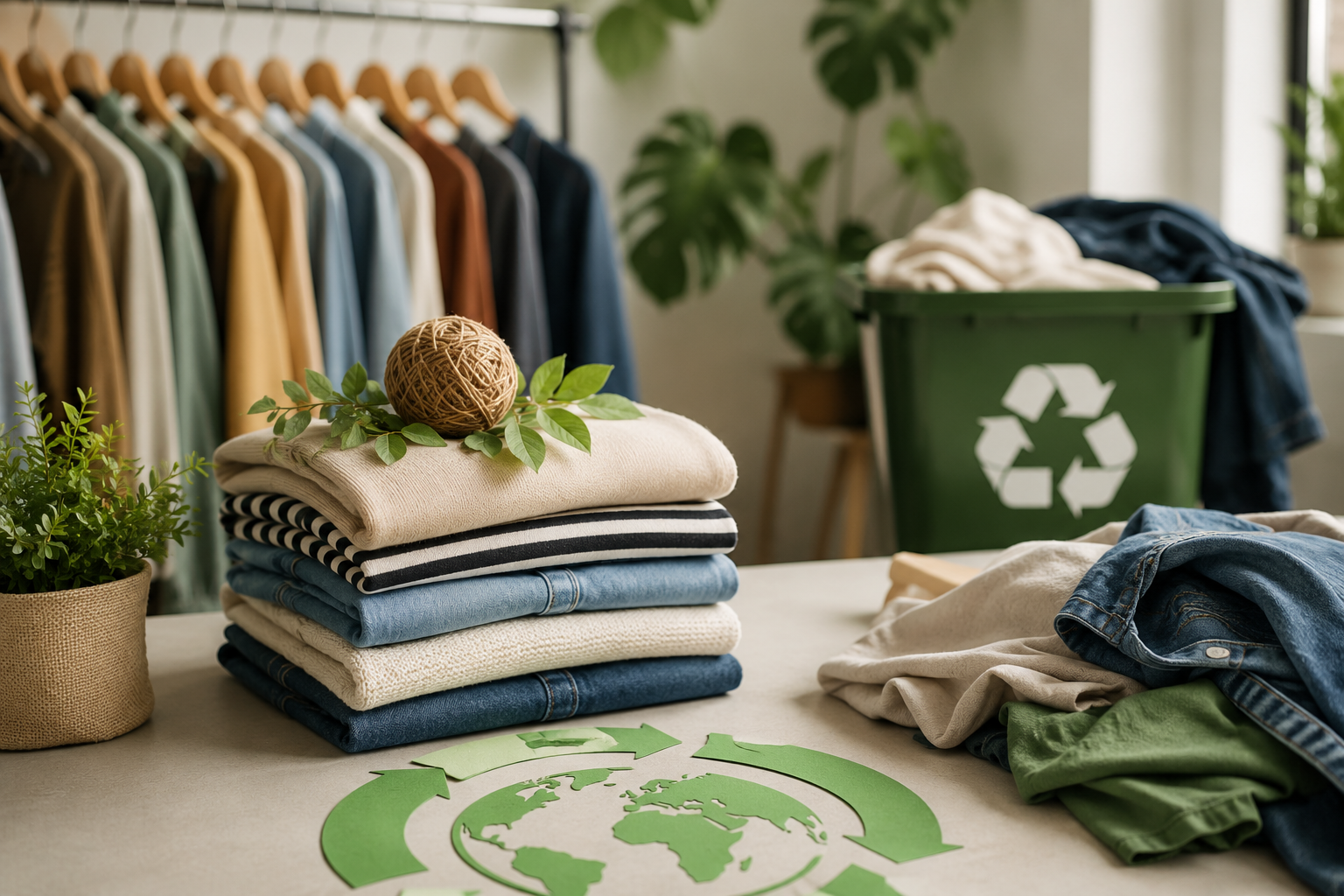
Photo: Chat GPT