Fuel shortages drive demand for EV in Russia
A car dealership in Moscow is struggling to keep up with demand for new electric vehicles as drivers try to avoid a fuel shortage that has led to long queues at gas stations and higher pump prices across much of Russia, Reuters reports.
An increase in Ukrainian attacks on Russian energy infrastructure has reduced gasoline and diesel supplies in recent weeks, forcing fuel restrictions in most regions of Russia. Retail gasoline prices in some areas have reached among the highest levels in Europe, according to Reuters calculations, CE Report quotes AGERPRES.
Until now, Russia's vast distances, harsh climate, and limited charging network had slowed the growth of the electric vehicle market. However, growing difficulties in obtaining fuel are encouraging some drivers to switch to electric cars.
EN Cars, a dealership specializing in Chinese brands, is now selling two to three electric vehicles per day, compared with two to three per month just a few weeks ago, according to company founder Yevgeniy Zabelin.
"Since the fuel situation became complicated, demand has increased several times," he said, adding that interest has grown for both affordable and premium models.
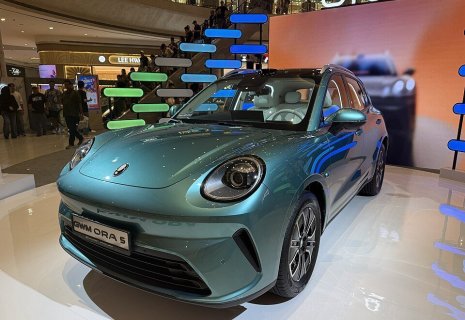
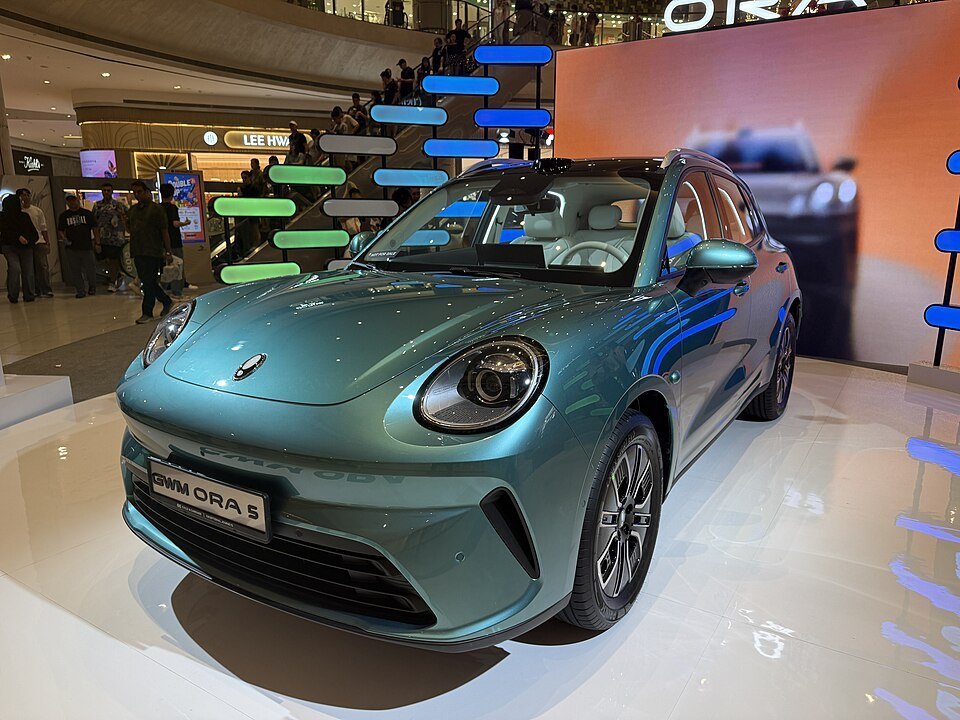
In the showroom, potential buyers inspect electric SUVs made by Chinese automaker Geely. Even before the fuel shortage, demand for electric vehicles had been rising as fuel prices increased by more than 12% year-on-year between January and May.
Around 24,600 new plug-in hybrid vehicles were sold in Russia during the first five months of the year, a 125% increase from the previous year, while sales of new fully electric vehicles rose 19% to 4,460 units, according to consulting firm Autostat and Russia's Ministry of Industry and Trade.
Sales accelerated even further in June as fuel shortages worsened. Last week, 1,754 new plug-in hybrids were registered, nearly one-third more than the previous week and almost 50% above this year's average weekly pace, according to Autostat chief Sergei Tselikov.
Meanwhile, the number of charging stations in Russia increased by 20% between July 2025 and July 2026, according to digital mapping service 2GIS.
At the EN Cars dealership, customer Vasiliy said he was pleased to have already purchased both a plug-in hybrid and an electric vehicle.
"Especially in the current situation, I haven't had any problems," he said. However, he does not expect the surge in interest for electric vehicles to last.
"I live in a private house in the countryside. I installed my own charging station and charge at home. In Moscow, it's a real challenge to charge properly," Vasiliy said.
According to Autostat data, electric vehicles and plug-in hybrids accounted for only 4.3% of total car sales in Russia last year.
Photo: Wikipedia