NASA unveils new missions to support future Moon base
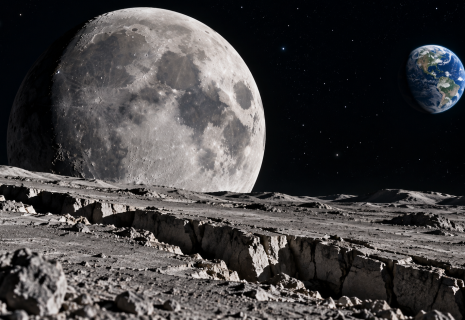
NASA announced a new series of missions aimed at helping establish a future base on the Moon, a project that is beginning to take shape despite recent setbacks, AFP reported.
Carried out in partnership with three U.S. companies developing lunar robots, the four missions, with a combined budget of approximately $600 million, will complement additional missions announced by the agency in May, CE Report quotes AGERPRES.
The missions will transport scientific instruments to the Moon to prepare the site for the future construction of the lunar base.
The announcement comes as NASA's lunar ambitions have been challenged by the spectacular explosion of Blue Origin's New Glenn rocket at the end of May. The rocket is owned by billionaire Jeff Bezos.
Despite the setback, senior NASA officials said on Tuesday they remain confident and are considering "other options" for delivering Blue Origin's lunar lander if New Glenn is not ready in time.
In addition, the agency plans to carry out "at least one mission in 2026" through another company, said Carlos Garcia-Galan, NASA's manager for the lunar base program.
To stay on schedule, NASA also said it is considering the possibility of adapting a Mars rover for use on the Moon.
After spending years developing the Gateway space station in lunar orbit, the agency announced in March that it would instead focus on building infrastructure directly on the Moon's surface, a project backed by $20 billion in planned funding.
The planned base will be located near the Moon's south pole, a strategically important region because it contains water ice beneath the surface. Construction is expected to begin in 2029, NASA previously announced.
Designed in part to compete with China, which also plans to send astronauts to the Moon and establish a lunar base, the ambitious project still lacks many concrete details.
In recent months, NASA has begun outlining its vision in greater detail, including lunar landers, all-terrain vehicles, and drones to explore the surface, with plans to gradually build key infrastructure such as power networks and pressurized habitats.
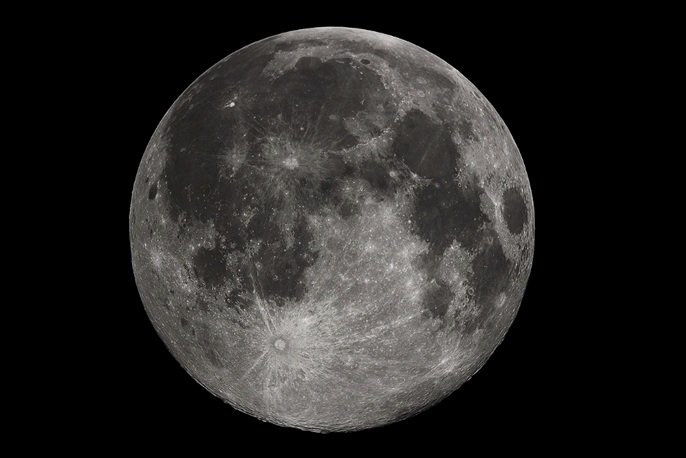
Photo: Wikipedia