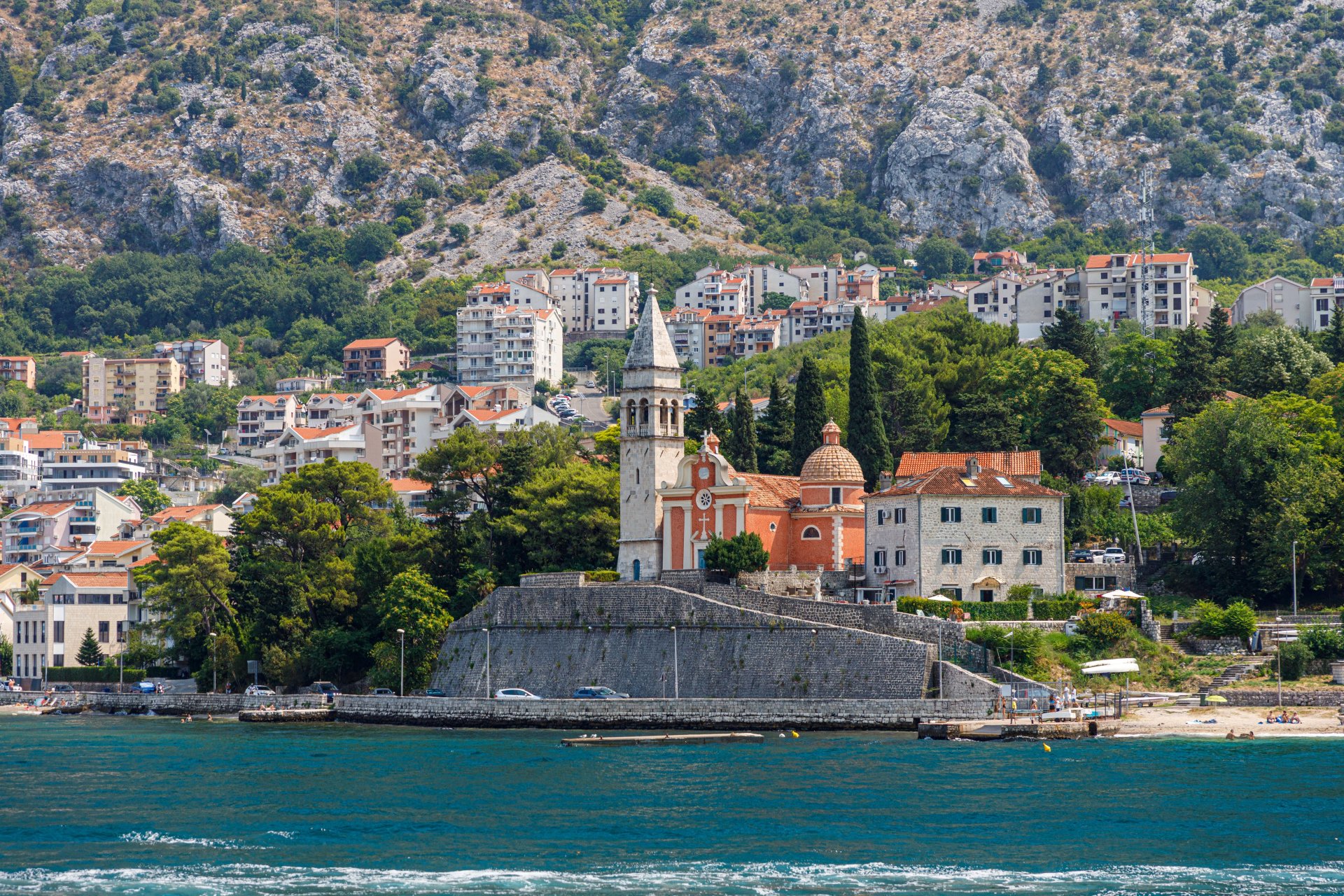
Montenegro: Front-runner for European Union membership - OPINION
By Aytan Aliyeva
The European Union's enlargement policy has entered a new phase shaped by profound geopolitical changes, security concerns, and strategic competition in Europe. While the accession process was traditionally driven by economic reforms, democratic consolidation, and the adoption of the EU acquis, recent developments, Russia's full-scale invasion of Ukraine, intensifying geopolitical competition in Southeast Europe, and the EU's renewed commitment to strengthening its neighborhood have transformed enlargement into a strategic instrument for promoting security, stability, and resilience. Within this evolving geopolitical context, Montenegro has emerged as the leading candidate for European Union membership. Since gaining independence in 2006, the country has consistently pursued Euro-Atlantic integration as the cornerstone of its foreign policy and is now widely regarded as the most advanced Western Balkan candidate, making it the next likely state to join the European Union.
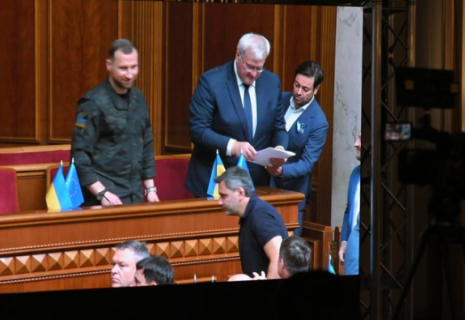
A significant demonstration of the European Union's political commitment to Montenegro's accession process was the official visit of the President of the European Parliament, Roberta Metsola, on June 2026. Metsola delivered a keynote address to the Parliament of Montenegro in Podgorica, where she met with President of the Parliament Andrija Mandić, President Jakov Milatović, and Prime Minister Milojko Spajić. During these meetings, discussions focused on Montenegro's progress in the EU accession process, the implementation of judicial and institutional reforms, democratic governance, and the rule of law. Metsola reaffirmed the European Parliament's strong support for Montenegro's European aspirations, emphasizing that the country's future lies within the European Union and encouraging political leaders to maintain reform momentum, particularly in the areas of judicial independence, anti-corruption measures, and democratic accountability.
She participated in the EU-Western Balkans Summit in Tivat alongside President of the European Commission Ursula von der Leyen, President of the European Council António Costa, French President Emmanuel Macron, German Chancellor Friedrich Merz, Italian Prime Minister Giorgia Meloni, and the leaders of the six Western Balkan partners. The summit, held in Montenegro for the first time, focused on accelerating EU enlargement, strengthening regional cooperation, improving connectivity, implementing the Growth Plan for the Western Balkans, enhancing energy security, and gradually integrating candidate countries into the EU Single Market before full membership. European leaders reiterated that enlargement has become a geostrategic investment in Europe's stability, prosperity, and security, while recognizing Montenegro as the frontrunner in the accession process.
Historical background of Montenegro's European integration
Montenegro's European aspirations became more pronounced following its peaceful separation from Serbia in 2006. As a newly independent state, Montenegro identified European integration as a strategic priority that would facilitate political stability, economic modernization, and international recognition. In 2007, Montenegro signed the Stabilisation and Association Agreement (SAA) with the European Union, marking the first formal step toward accession. In December 2008, the country officially submitted its application for EU membership. Two years later, in 2010, Montenegro received candidate status, and accession negotiations formally began in June 2012. Since the opening of negotiations, Montenegro has demonstrated commitment to the accession process. Unlike other Western Balkan candidates, it has opened all negotiation chapters, reflecting substantial progress in aligning national legislation with EU standards. The country's relatively small size, population of approximately 620,000 inhabitants, and manageable administrative structures have enabled a more focused reform process compared to larger candidate countries. Furthermore, public support for EU membership has remained high, creating favorable domestic conditions for accession.
Montenegro's progress in the accession process
EU accession requires candidate countries to satisfy the Copenhagen Criteria, which include stable democratic institutions, a functioning market economy, and the capacity to implement EU laws and obligations.
The country has undertaken reforms to strengthen democratic institutions, improve public administration, and enhance governmental transparency. Electoral legislation has been revised to meet European standards, while efforts have been made to increase accountability within state institutions. Despite these achievements, political polarization remains a challenge. Frequent government changes and disputes among political parties occasionally slow the reform process and create uncertainty regarding policy continuity. Montenegro has transformed its economy over the past two decades. Tourism has become the country's primary economic sector, contributing substantially to GDP and employment. The country's Adriatic coastline attracts millions of visitors annually, particularly from Europe. The government has also implemented measures aimed at improving the business environment, attracting foreign investment, and modernizing infrastructure. Nevertheless, economic vulnerabilities persist, including high public debt, dependence on tourism revenues, and limited industrial diversification. To meet EU standards fully, Montenegro must continue pursuing structural reforms that enhance economic resilience and competitiveness. Perhaps the most critical aspect of Montenegro's accession process concerns the rule of law. The European Commission has repeatedly emphasized the importance of judicial independence, anti-corruption measures, and organized crime prevention. Although important reforms have been introduced, challenges remain. Corruption perceptions continue to affect public trust in institutions, while judicial efficiency and prosecutorial independence require further strengthening. The successful implementation of reforms in Chapters 23 (Judiciary and Fundamental Rights) and 24 (Justice, Freedom and Security) will determine the pace of Montenegro's accession.
Geopolitical significance of Montenegro's membership
The geopolitical importance of Montenegro's accession has increased in recent years. Enlargement is no longer viewed as a technical process but as a strategic instrument for enhancing European security and stability.
The Russian invasion of Ukraine fundamentally altered European security perceptions. The war demonstrated the vulnerability of regions situated between competing geopolitical spheres and underscored the importance of integrating neighboring states into European and transatlantic institutions. In response, the EU accelerated engagement with candidate countries and emphasized the geopolitical dimension of enlargement. Montenegro's strong alignment with EU foreign policy positions, including sanctions against Russia, has strengthened its credibility as a future member state. Unlike some countries in the region that maintain ambiguous positions regarding Russia, Montenegro has consistently supported Western policies and demonstrated commitment to the European security architecture.
Montenegro became a member of the North Atlantic Treaty Organization (NATO) in 2017. This accession represented a major milestone in the country's Euro-Atlantic integration and enhanced regional security.NATO membership also illustrated Montenegro's strategic orientation toward Western institutions. Despite facing external pressure and domestic political debates, the country successfully completed its integration into the alliance. Today, Montenegro's NATO membership complements its EU accession efforts and positions the country as a reliable partner in regional security cooperation.
The Western Balkans remain one of Europe's most sensitive regions. Historical tensions, unresolved political disputes, and external influence continue to shape regional dynamics.The accession of Montenegro could generate a positive demonstration effect for neighboring countries by proving that reform efforts and alignment with European values lead to tangible results. Such a development would einforce the EU's credibility and encourage further reforms throughout the region.
Despite its advanced position, Montenegro still faces several challenges before achieving full EU membership. Political polarization continues to affect governance and reform implementation, making sustained political consensus essential. Strengthening the rule of law remains a key accession requirement, particularly through judicial independence, anti-corruption measures, and more effective law enforcement. In addition, Montenegro must continue modernizing its public administration to ensure the effective implementation of EU legislation. While the country's economy has made significant progress, further convergence with EU standards, economic diversification, and improved productivity remain necessary to ensure long-term competitiveness and sustainable development.
Future prospects
Montenegro's prospects for European Union membership are more favorable today than at any point since the accession negotiations began. The convergence of sustained domestic reforms and a renewed geopolitical commitment to EU enlargement has created a unique window of opportunity for the country. As the most advanced candidate among the Western Balkan states, Montenegro is widely regarded as the next country likely to join the European Union.
The year 2028 has become the principal political target for accession. Following the European Union's decision to establish an ad hoc working group to prepare Montenegro's Accession Treaty, the accession process entered its final institutional phase, reflecting growing confidence in the country's reform trajectory. Both the Montenegrin government and EU institutions have identified 2028 as the most realistic timeframe for membership, provided that the remaining negotiation chapters are closed, key reforms, particularly in the areas of the rule of law, judicial independence, and anti-corruption are fully implemented, and the Accession Treaty is unanimously ratified by all EU member states. The national slogan "28 by 28" encapsulates Montenegro's ambition to become the 28th member state of the European Union by 2028.
Recent high-level political engagement has further strengthened these prospects. During her official visit to Montenegro, European Parliament President Roberta Metsola reaffirmed the European Parliament's full support for Montenegro's European future, while her participation in the EU-Western Balkans Summit in Tivat highlighted the Union's strategic commitment to accelerating enlargement. These developments reinforced confidence in the credibility of the accession process and confirmed that Montenegro's continued reform efforts are matched by sustained political backing from EU institutions.
Should the current reform momentum and political stability be maintained, Montenegro would become the first Western Balkan country to join the European Union since Croatia's accession in 2013. Such an achievement would extend beyond its national significance, demonstrating the continued credibility of the EU enlargement policy and its capacity to promote democratic governance, regional stability, and economic modernization. At the same time, Montenegro's successful accession would provide renewed momentum for the wider enlargement agenda and encourage other candidate countries to intensify their own reform efforts in pursuit of European integration.
Photo: Pexels (Free Stock Photos)