Ukraine’s panegyric for its 18th-century Magna Carta - OPINION
By Peter M. Tase, a freelance writer and journalist of International Relations, Latin American and Southern Caucasus current affairs
This year, on June 28th, Ukraine celebrated the 30th anniversary of its Constitution, a European country’s Magna Carta that embodies a constitutional process guided by democratic values, fundamental freedoms and reflects deeply rooted aspirations of a nation yearning to join the European Union. Ukraine’s Constitution and constitutional institutions are the fulcrum of vital principles that strongly encourage a multifaceted economic integration between the European Union and the Government of Ukraine.
Ukrainian constitutionalism has a rich legacy and represents its own culture of institution building, embodies deep historical national roots and ensures the rights of ethnic minority groups living in its territory. The various versions of the constitution, over the centuries represent the national character of Ukrainians, their way of life, linguistic treasures, cultural depth and relations with their neighboring European countries. The international community this year is observing a major anniversary of the Ukrainian constitutional thought and celebrates the European Union’s strategic interest as it strengthens the economic and political integration with Kyiv.
During the Ukrainian Revolution of 1917–1921, the constitutional path of a long-suffering nation began immediately to take shape after the proclamation of the First Universal. A constitutional commission headed by Mykhailo Hrushevsky was established. The plan was for the Constitution to be adopted at the All-Ukrainian Constituent Assembly; however, the October Revolution of 1917 and the military aggression of the Russian Bolsheviks against Ukraine marked a turning point in the socio-political life of XX Century Ukraine.
The document, officially titled “Statute on the State Structure, Rights, and Freedoms of the UPR,” was adopted at a session of the Small Council on April 29th, the last day of the Central Rada’s existence. The first draft was adopted unanimously. Minor editorial amendments were made during the article-by-article reading.
The Constitution of the UPR contained 83 articles, grouped into 8 chapters. The UPR was proclaimed a sovereign state as “autonomous and independent from anyone.” The Constitution guaranteed the parity of citizens, including a provision—progressive for its time—on the equality of men and women before the law, and contained a wide range of guarantees of individual rights. The death penalty was abolished, and corporal punishment was prohibited. Legislative power belonged to the National Assembly; executive power to the Council of People’s Ministers; and judicial power was headed by the General Court of the UNR. The foundations of decentralization were also introduced: “Without compromising its unified authority, the UNR grants its regions, districts, and communities broad rights of self-government, adhering to the principle of decentralization.”
Simultaneously, a certain degree of declarative language, the absence of provisions on state symbols, the fundamental principles of domestic and foreign policy, and the strict procedure for electing local and national authorities is a testimony to the short-term nature of the constitution—it was created for the transitional period of the formation of Ukrainian nationhood.
The Constitution of the Ukrainian People's Republic (UPR) enshrined in law institutions that were new to the Ukrainian legal system, in particular, the institutes of administrative-territorial division, citizenship, and parliamentary immunity, among others. Unfortunately, the dissolution of the Ukrainian Central Rada and the establishment of Hetman Pavlo Skoropadskyi’s regime meant that the provisions of Ukraine’s first Constitution of 1918 were never implemented.
The dynamic state-building journey of this period was halted by the prolonged occupation of Ukrainian lands by its eastern neighbor. During the existence of the Soviet Union, where authoritarianism and totalitarianism reached their severe levels, four fundamental laws were adopted over the course of several decades. However, all of them merely declared a certain set of democratic values, behind which a new empire was taking shape.
The Ukrainian society represents a wealth of tradition in the world history of institution building; Ukrainians with the Bender Constitution demonstrate their genuine interest and geopolitical affinity towards Western European Institutional traditions as well as embrace a free market economic system.
The name of “Bender Constitution” stems from the fact that it was adopted at a Cossack council near the town of Bendery, in what is presently Moldova. Therefore, the Constitution was adopted in exile, outside Ukrainian territory. The title “Pylyp Orlyk’s Constitution” appeared later and became the most widely known terminology.
The “Pacts and Constitutions of the Laws and Liberties of the Zaporizhian Army” defined the rights and duties of the hetman, it outlined the principles of the future state structure, and established advanced mechanisms to limits of power. This legal document was signed by Hetman Pylyp Orlyk and Kost Hordiienko (Ukrainian: Кость Гордієнко, a Zaporozhian Cossack Kish, the koshovo ataman of the Zaporizhian Sich (a semi-autonomous polity and proto-state of Zaporozhian Cossacks that existed between the 16th to 18th centuries). Orlyk’s military statecraft and remarkable vision, wisdom to create a Ukrainian statehood represent a millennium-old aspiration of the Ukrainian people to have their independent nation, a thriving society that is fully integrated with the democratic institutions of the Western World.
The early 18th-century Constitution of Ukraine, drafted by Pylyp Stepanovych Orlyk, consisted of a preamble and 16 chapters. According to its provisions, legislative power belonged to the General Council, with the duties of a modern national parliament. The highest executive power was exercised by the Hetman and the Council of General Officers, while judicial matters fell under the jurisdiction of the General Court. It also embodied the Treaties and Resolutions of the Rights and Freedoms of the Zaporozhian Army.
The preamble outlined the history of the Ukrainian people and justified Ukraine’s right to independent statehood and full sovereignty. For the early 18th century, such ideas were exceptionally innovative. One of the Constitution’s key provisions was the demand for Ukraine’s political and ecclesiastical separation from the Muscovite state, as well as the restoration of Ukrainian statehood. The principles enshrined in it—the separation of powers, the limitation of the head of state’s authority, and the accountability of the government to society—were far ahead of their time and made a significant contribution to the development of European political and legal thought.
This constitution of Ukraine distinctively represents a great leap forward in the European history of constitutionalism and beyond. Its original Latin-language document is kept in the National Archives of Sweden.
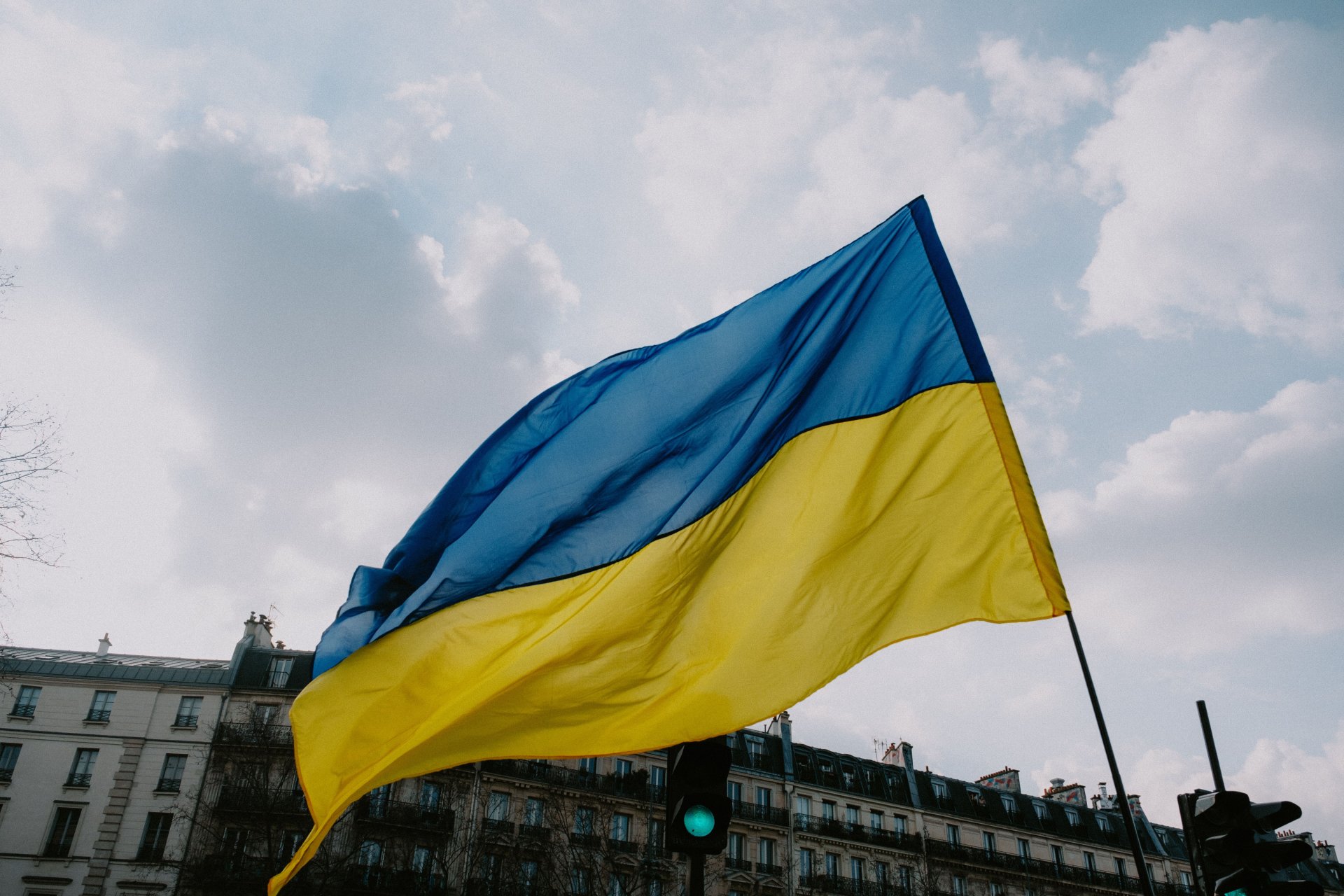
Photo: Pexels (Free Stock Photos)