Slovenia to freeze recognition of Palestine
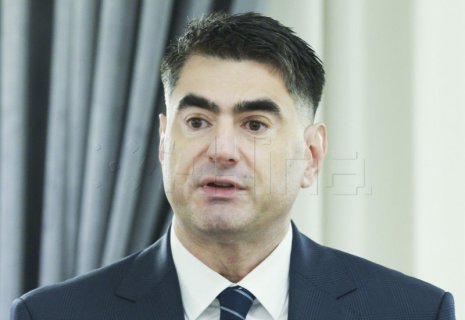
It appears Slovenia will freeze its recognition of a Palestinian state as Prime Minister Janez Janša has announced the move in an interview with an Israeli newspaper.
He also plans to relocate the Slovenian embassy in Israel from Tel Aviv to Jerusalem. Both announcements have sparked backlash from some experts and politicians, CE Report quotes The Slovenia Times.
"The left-wing government that ruled Slovenia in recent years recognised a Palestinian state in violation of Slovenian law," Janša recently told the newspaper Israel Hayom.
"We will uphold the law and freeze their illegal decision. We raised this as a condition for our participation in the coalition negotiations, and everyone agreed."
Responding, his predecessor Robert Golob, whose government recognised a Palestinian state in 2024, said that what they had done meant recognising the basic right to self-determination, which "is in the Slovenian DNA".
He added that his government had based their actions "on respect for international law and the two-state solution as the only real basis for the long-term security and co-existence of Palestinians and Israelis".
De-recognition could affect Slovenia's relations with Middle East countries
Janša's move does not come as too big of a surprise since the new government, which took over in early June, is known to be pro-Israel. Foreign Minister Tone Kajzer has announced a more pragmatic approach to the Israeli-Palestinian conflict, but he also vowed not to pursue a 180-degree shift when it comes to Palestine.
One of the government's steps to rekindle a good relationship with Israel has been the lifting of entry bans on Israeli Prime Minister Benjamin Netanyahu and two far-right cabinet members in mid-June.
However, the de-recognition of a state heralds a bigger change. Such a move is not common worldwide but it is not unheard of either. For example, some countries have revoked their recognition of Taiwan to align themselves with China, and a similar thing has been known to happen to Kosovo.
Slovenia's potential decision to revoke or suspend the recognition of Palestine could affect its relations with other Middle East countries. In recent years these ties have intensified, and two examples of cooperation are a 2022 deal that secured natural gas from Algeria and that was extended last year, and the support Slovenia received in organising repatriation flights after the Iran war broke out earlier this year.
Moving embassy to Jerusalem would be an EU first
Janša sees Israel as a strategic and democratic partner contributing to regional stability and the fight against terrorism. He believes Israel also shares fundamental values of freedom and the rule of law with Europe.
"Israel is not Europe's problem, it is one of its most important allies," he told Israel Hayom in an issue published on 26 June. The paper writes that the Slovenian prime minister intends to voice his stance in Brussels in a bid to strengthen the bloc of Israel supporters and oppose any attempt of introducing sanctions against Israel or the Israeli people. He also seeks to invite Israelis to visit and invest in Slovenia.
According to Janša, the previous government dragged the Slovenia-Israel relations to an all-time-low, and among his efforts to restore those ties is the relocation of the Slovenian embassy from Tel Aviv to Jerusalem.
If Slovenia opted for this, it would be the first EU member to do so and the move would not be aligned with the bloc's foreign policy on the Middle East conflict. Worldwide, only a few countries, including the US, Kosovo, Guatemala and Honduras, have their embassies in Jerusalem.
The announcement comes after Israeli Foreign Minister Gideon Sa'ar said that Israel, which currently covers Slovenia diplomatically from Vienna, would open an embassy in Ljubljana for the first time.
Pro-Israel stance draws criticism from some
Telling Janša to "calm down", Golob noted that the diplomatic missions of the EU member states are based in Tel Aviv because "the long-standing position of the EU is that Jerusalem is the future joint capital of Israel and Palestine".
The SocDems and the Left, the two parties that were coalition partners of Golob's Freedom Movement in the previous administration and are now part of the opposition, have also been critical of Janša's plans. The Left said that no one likely knew what the "freezing" of the recognition would mean exactly, and the SocDems pointed to the UN's latest reports that are damning to Israel.
A UN independent commission of inquiry released a report this week saying that Israel "continues to commit genocide and other atrocity crimes by deliberately targeting Palestinian children".
Former President Danilo Türk went even further in his criticism of Janša's policy. The international law expert told TV Slovenija that if the media reports were true, the announcement was quite bizarre and signalled a "vassal-like position" in Slovenia's relation towards Israel.
Meanwhile, the humanitarian crisis in Gaza continues and according to Palestinian health records, some 1,000 people have been killed there since a ceasefire went into effect in October 2025.
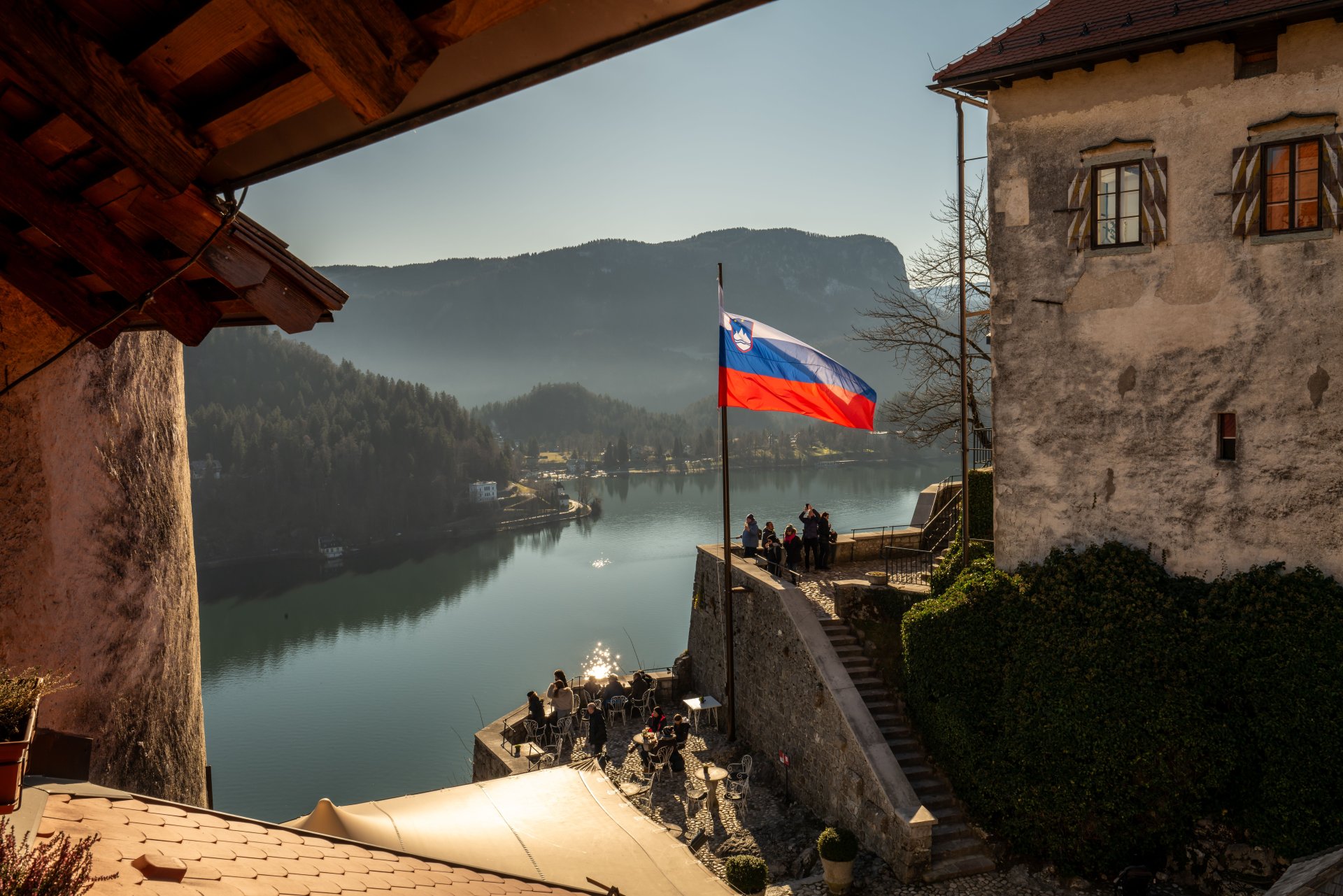
Photo: Pexels (Free Stock Photos)