Moldova outlines strategy for new CHP investment - EXCLUSIVE
Moldova's planned high-efficiency combined heat and power (CHP) project is fully aligned with the country's long-term decarbonization, energy security and energy transition goals, according to the Ministry of Energy of the Republic of Moldova.
This was said by the source in the Ministry of Energy of the Republic of Moldova, in an exclusive interview with CE Report.
The ministry said the flagship investment under the RESHAPE-Moldova Program is based on the conclusions of a comprehensive feasibility study prepared within the framework of the Second District Heating System Efficiency Improvement Project (PIESACET-2), financed by the World Bank and developed with the support of international experts from North Macedonia, Croatia and the United Kingdom. The study evaluated Termoelectrica's technical and financial condition, projected energy demand over the next 25 years, and compared multiple technology options before identifying the optimal solution for modernizing Chișinău's district heating network.
According to the ministry, the priority investment is the construction of a new combined-cycle CHP plant at the CET Sursa-1 site in Chișinău with an estimated electricity generation capacity of approximately 250 MW and thermal output of 180 MW. The facility will also include around 1,200 MWh of thermal energy storage and will initially operate on natural gas while being designed to accommodate hydrogen and other low-carbon solutions in the future.
The ministry explained that the project will replace outdated and inefficient generating units commissioned between the 1950s and 1980s, allowing their gradual retirement as new capacity comes online. At the same time, modernization of the district heating system will enable the integration of renewable energy sources, including solar thermal systems, heat pumps, waste-to-energy technologies, industrial waste heat recovery and electric boilers during periods of surplus electricity.
Officials stressed that the investment will reduce greenhouse gas emissions, improve energy efficiency, strengthen Moldova's energy security and ensure a reliable heat and hot water supply for consumers in Chișinău. The ministry added that the project is fully consistent with Moldova's commitments under the Paris Agreement, the Energy Community Treaty and its European Union integration objectives.
Regarding financing, the ministry said the World Bank's grant of up to $1.7 million will be used exclusively for project preparation activities, including technical documentation, feasibility studies and environmental and social assessments. Additional technical and financial analyses have also been completed with World Bank support, covering Termoelectrica's financial position, debt management planning and financing options for the new CHP facility.
For the construction phase, the Moldovan government plans to pursue a blended financing model that could combine funding from international financial institutions, development partners and, where appropriate, commercial financing, depending on the final project structure and market conditions.
The ministry identified the project's principal implementation risks as financing requirements for such a large-scale investment, procurement and construction challenges, regulatory and permitting procedures, and market volatility affecting equipment and construction costs. It emphasized that these risks are already being addressed during the preparation stage with World Bank support to ensure the development of a bankable, efficient and internationally compliant project.
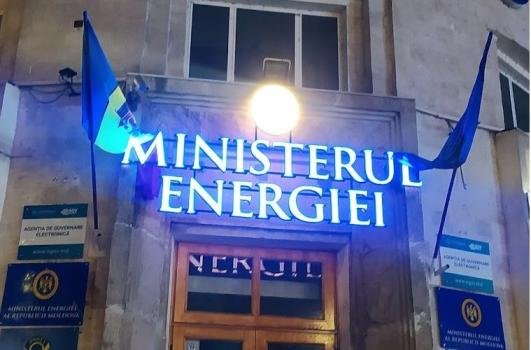
Photo: Ministry of Energy of the Republic of Moldova