Türkiye's Antalya shifts tourism strategy from quantity to sustainability - EXCLUSIVE
Antalya is seeking to redefine success in tourism by focusing on sustainability, quality growth, and environmental protection rather than visitor numbers alone.
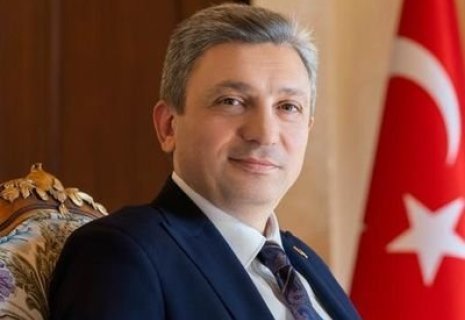
This was said by the source at the Governorship of Antalya (Republic of Türkiye), in an exclusive interview with CE Report.
Although the Turkish Mediterranean city expects to welcome more than 17 million visitors in 2025, local authorities say their long-term vision is centered on preserving natural resources, cultural heritage, and residents' quality of life while ensuring tourism continues to generate broad economic benefits.
According to the source, Türkiye's tourism strategy has shifted from prioritizing visitor numbers to increasing value per visitor, improving service quality, diversifying tourism products, and expanding tourism throughout the year. Antalya is strengthening its position in health, sports, gastronomy, cultural, and congress tourism while promoting a more balanced and resilient tourism economy.
A cornerstone of this strategy is the Türkiye Sustainable Tourism Program, developed by the Ministry of Culture and Tourism and the Türkiye Tourism Promotion and Development Agency in cooperation with the Global Sustainable Tourism Council (GSTC). The program introduces internationally recognized standards covering sustainable management, local development, cultural heritage protection, biodiversity, energy efficiency, water conservation, waste management, and emissions reduction.
The official noted that Türkiye now has the world's largest number of GSTC-certified accommodation facilities. Of the 3,404 certified properties worldwide, 2,359 are located in Türkiye, including 576 in Antalya, making the province one of the leading global destinations for sustainable hospitality.
The source stressed that protecting Antalya's coastline, forests, water resources, farmland, and archaeological sites is essential to ensuring the city's future competitiveness. Authorities are also working to spread visitor flows across different seasons and destinations by investing in archaeological excavations, restoration projects, and nighttime museum programs at historic sites such as Side, Aspendos, Perge, Termessos, Olympos, Syedra, and Xanthos.
Beyond coastal tourism, Antalya is promoting rural destinations that preserve local identity while generating economic opportunities. The villages of Ormana and Kale Üçağız have been recognized under the UN Tourism Best Tourism Villages initiative, while Finike, İbradı, and Demre are members of the international Cittaslow network, highlighting the region's commitment to sustainable local development.
The province is also emphasizing the protection of traditional products and local producers. Antalya recorded Türkiye's highest number of geographical indication applications in 2025, with 182 applications, supporting local agriculture, gastronomy, and small businesses while strengthening cultural heritage.
Officials also pointed to measures designed to improve quality of life for residents, including tighter regulation of short-term tourist rentals introduced in 2024 and the expansion of free public beaches, with 14 of Türkiye's 23 government-supported public beaches located in Antalya.
Environmental initiatives play a central role in the province's strategy. Antalya is implementing Türkiye's nationwide Zero Waste policies alongside the newly launched Blue Mediterranean Initiative, which focuses on marine conservation, coastal protection, waste reduction, and sustainable tourism.
During the initiative's first month, more than 13 tons of waste were removed from the seabed, ghost fishing nets were recovered, drinking water stations were installed to reduce single-use plastic consumption, and river barriers were introduced to prevent land-based waste from reaching the sea. Antalya has also established Türkiye's first smoke-free beach areas and expanded artificial reef projects, seagrass conservation efforts, and marine habitat protection.
Education is another priority, with environmental awareness programs targeting children and young people through Zero Waste campaigns, COP31-related educational activities, and recycling initiatives supported by schools and local volunteers.
Looking ahead to COP31, Antalya aims to position itself as one of the Mediterranean's leading centers for climate diplomacy while demonstrating that economic growth, mass tourism, and environmental sustainability can coexist.
According to the source, Antalya's experience offers several lessons for other Mediterranean destinations. These include making sustainability a mandatory national standard, prioritizing quality over quantity in tourism development, balancing mass tourism with community-based destinations, adapting national environmental policies to local conditions, and fostering cooperation among governments, universities, businesses, civil society organizations, and local communities.
The official concluded that Antalya's ambition is not simply to attract more visitors but to become a model Mediterranean city that protects its natural resources, preserves its cultural heritage, shares tourism's economic benefits across society, and advances sustainable development through practical, measurable policies.
Photo: Chat GPT