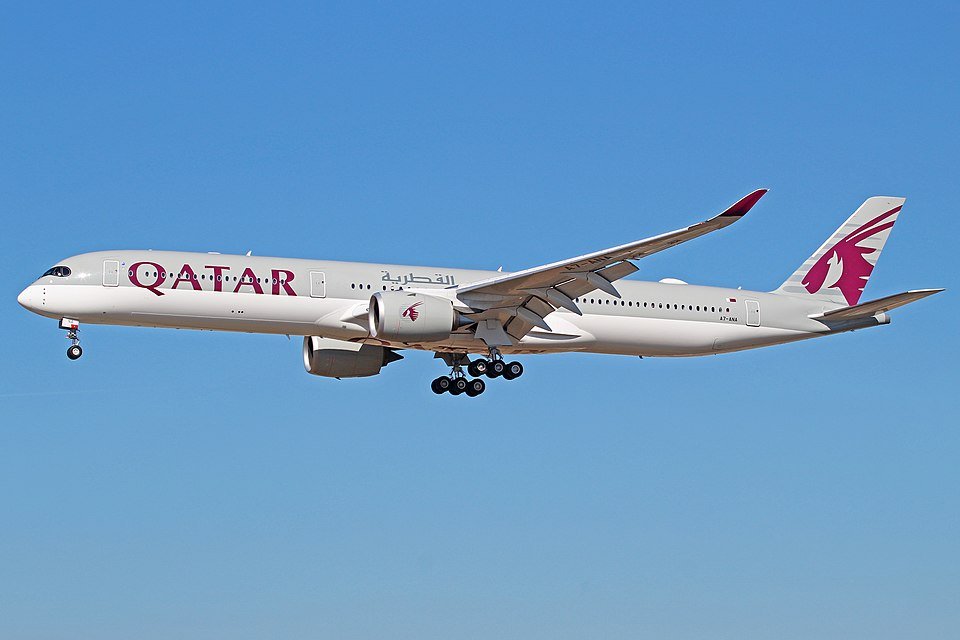
Middle East carriers restore flights after conflict
Major airlines based in the Middle East are quietly returning to business after the war disrupted flights, with Iranian drone and missile attacks leading to airport closures and route changes across the Gulf, Reuters reports.
According to aircraft tracking website FlightRadar24, the number of flights operated by the major Gulf carriers has reached approximately 82% of the level recorded on February 27, the day before the conflict began. Gulf Air and Kuwait Airways have exceeded 100% of that level in recent days, CE Report quotes AGERPRES.
Emirates, Qatar Airways, and Etihad—the region's three largest carriers—are now operating at or close to 90% of their pre-conflict levels. Just a month ago, Etihad and Qatar Airways were at only 40%-50%. Emirates, which spent heavily to maintain flight continuity, has long operated at a higher level.
On Wednesday evening, the U.S. and Iranian presidents each signed a memorandum of understanding remotely, providing for a ceasefire, the lifting of the U.S. blockade on Iranian ports, and the reopening of the Strait of Hormuz.
The closure of this strategic waterway since late February, through which roughly one-fifth of the world's oil normally passes, caused oil prices to surge. News of the U.S.-Iran agreement triggered a sharp decline in prices beginning on Monday.
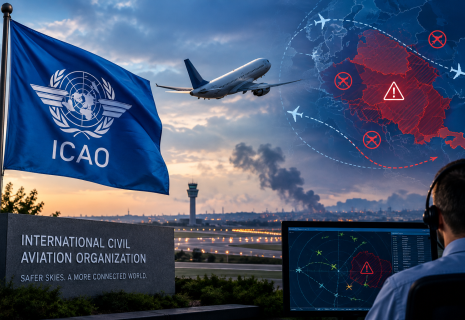
The outlook for Gulf airlines now appears significantly brighter. The end of hostilities is expected to reopen the region's airspace, allowing carriers to fully restore operations, according to James Halstead of Aviation Strategy.
Drone attacks had forced Gulf flights to be rerouted, increasing security concerns and restricting traffic to a limited number of safe air corridors.
For the most part, airlines from Europe and Asia suspended flights to the region, and many travel warnings remain in place. This week, Australia eased its travel advisories for several Middle Eastern countries. Meanwhile, the European Union Aviation Safety Agency (EASA) has maintained its warnings due to ongoing risks linked to the conflict.
EASA told Reuters it would consider the latest developments when reassessing its recommendations for the region but added that "it is still too early to determine whether the de-escalation will lead to a sustained reduction in risks for civil aviation."
In recent years, the oil-rich Gulf states have made significant efforts to strengthen their role as global transportation hubs and tourism destinations, investing heavily in hotels, airports, and major events. A full lifting of flight restrictions would support stronger economic growth across the region.
The International Air Transport Association (IATA), which represents more than 370 airlines accounting for about 85% of global air traffic, said in its annual report on Sunday that it expects the industry to post a combined net profit of $23 billion in 2026. This is well below an earlier forecast of roughly $41 billion and down from $45 billion in 2025.
The revised outlook highlights airlines' vulnerability to geopolitical shocks and fuel-price volatility, even as passenger demand remains resilient, aircraft continue to fly with higher load factors, and combined industry revenues are expected to exceed $1.1 trillion.
IATA expects airline fuel costs to rise to around $350 billion this year, up from approximately $252 billion in 2025, with fuel accounting for nearly one-third of operating expenses.
Photo: Wikipedia