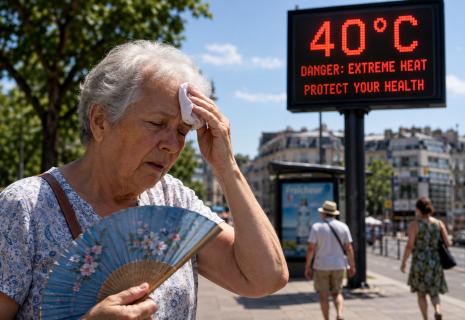
Cardiologist warns extreme heat increases risks for heart patients
High summer temperatures pose a serious challenge to health, especially for people suffering from cardiovascular diseases. Experts warn that extreme heat can place additional strain on the heart and blood vessels, increasing the risk of serious health complications.
"High temperatures cause blood vessels to dilate and increase sweating in order to maintain normal body temperature. To achieve this and maintain adequate circulation, the heart has to work harder. As a result, people who already have cardiovascular diseases may experience a worsening of their existing condition," says Dr. Ena Štimjanin, a cardiology specialist at Medicana Sarajevo Hospital, Bosnia and Herzegovina.
For this reason, Dr. Štimjanin advises patients to avoid spending time outdoors and engaging in physical activity during the hottest part of the day, drink fluids regularly according to their doctor's recommendations, and stay in air-conditioned or cooled indoor spaces whenever possible, CE Report quotes FENA.
In addition to general measures for protection against high temperatures, one of the most common questions patients ask concerns the medications they take every day.
Dr. Štimjanin emphasizes that during periods of extreme heat, special attention should be paid to regular medication, adding that certain drugs may increase the risk of dehydration or low blood pressure. Therefore, some patients may need their treatment adjusted.
"Certain medications, such as diuretics or blood pressure-lowering drugs, can increase the risk of dehydration or hypotension during periods of extreme heat. This may present as excessive thirst, weakness, drowsiness, or dizziness. For this reason, some patients may require adjustments to their therapy. Patients are advised not to stop or change their medication on their own, but only after examination and assessment by their physician," explains Dr. Štimjanin.
Besides taking medication correctly, it is also important to recognize which groups of patients are most vulnerable to the harmful effects of high temperatures. According to Dr. Štimjanin, certain categories of people face a significantly higher risk of collapse and other serious complications during heat waves.
"The greatest risk is among older adults, particularly those with multiple chronic illnesses. Increased risk also affects patients with heart failure, coronary artery disease, heart valve disease, and untreated or poorly controlled high blood pressure. Special caution is needed for people who work outdoors or perform physically demanding jobs during the hottest part of the day," says the cardiology specialist.
Although most heat-related health problems can be prevented by following medical advice, it is essential to recognize symptoms that may indicate a serious deterioration in health and require immediate medical attention.
"If you experience severe chest pain or pressure, worsening shortness of breath, sudden fainting, extreme weakness or confusion, or heart palpitations accompanied by dizziness, seek medical attention immediately," concludes Dr. Ena Štimjanin, cardiology specialist at Medicana Sarajevo Hospital.
Photo: Pexels (Free Stock Photos)