Serbia on heightened alert as heatwave fuels wildfires, drought
The Republic of Serbia’s Emergency Situations Headquarters held an extraordinary session to review the current situation, with particular attention to the consequences of the prolonged heatwave, the increased risk of wildfires, as well as the impact of extremely low water levels and the ongoing drought.
At the session, chaired by Deputy Prime Minister of the Republic of Serbia and Minister of Interior, Ivica Dačić, who also heads the Republic’s Emergency Situations Headquarters, it was stated that due to high temperatures, drought and unfavourable weather conditions, all relevant services, institutions and inspectorates are operating in the field and on heightened alert.
The situation is being continuously monitored, risks assessed and measures taken in line with developments, CE Report informs via the Ministry of Interior of Serbia's official website.
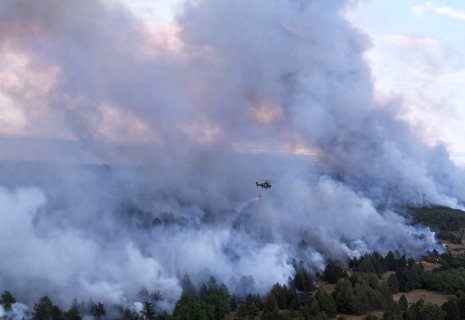
According to the latest data, 31 wildfires are currently active in Serbia. The most serious situation is in the Deliblato Sands near Kovin, where fire has affected more than 2,000 hectares, followed by Mount Stolovi near Kraljevo, Breznica in the municipality of Bujanovac, and the area near Gornji Brestovac in the municipality of Bojnik.
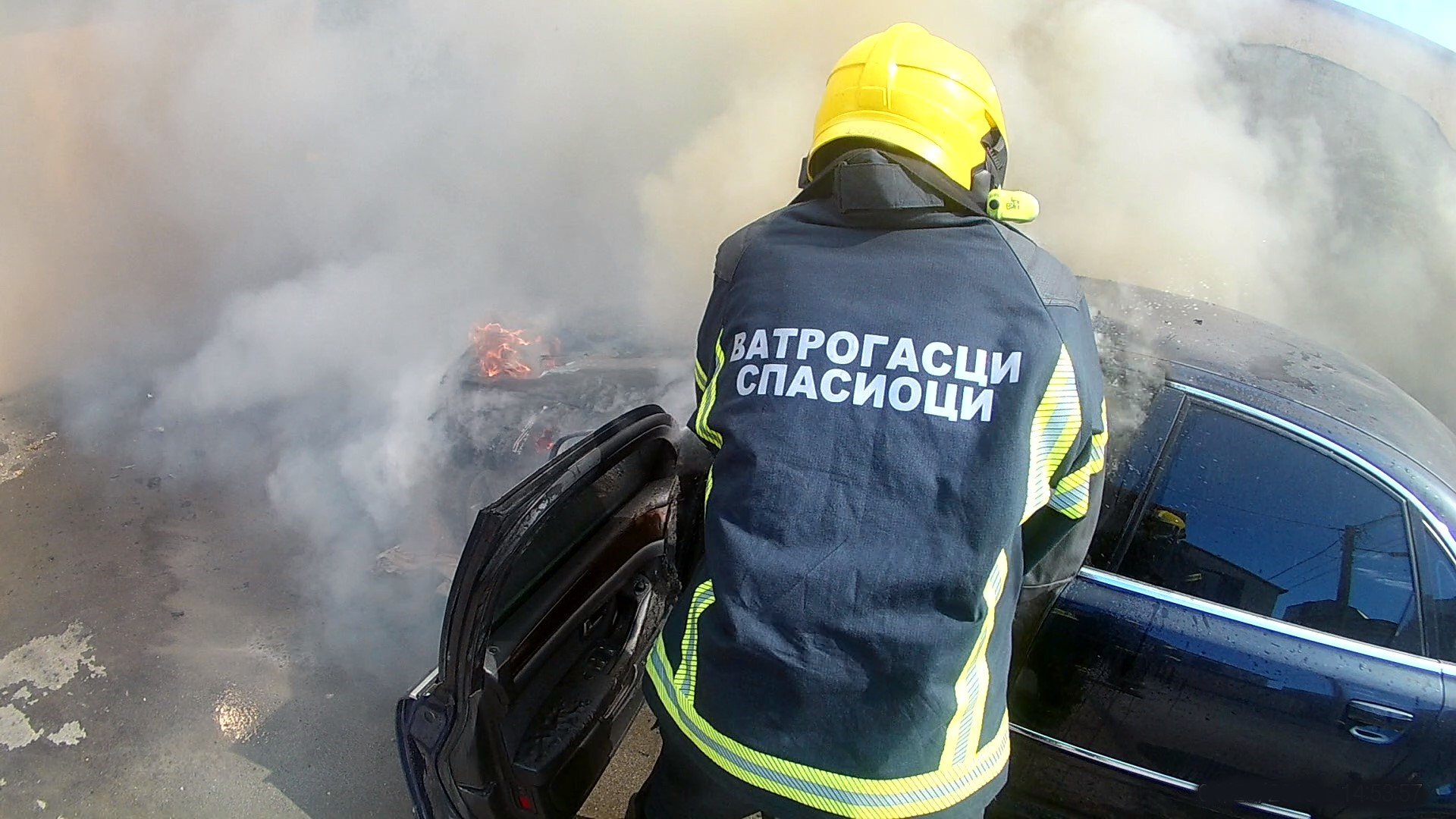
Around 900 wildfires were recorded across Serbia over the past seven days alone. Rapid interventions and the deployment of firefighters and rescue teams brought the fires under control and extinguished them.
Minister Dačić thanked all members of the services, institutions and organisations involved in firefighting efforts, who are making every effort under difficult conditions to protect lives, property and the environment.
He stressed that, despite the challenging conditions at some fire sites, the most important fact is that there have been no fatalities and residential buildings have been protected. All available forces will remain engaged until the situation is fully stabilised.
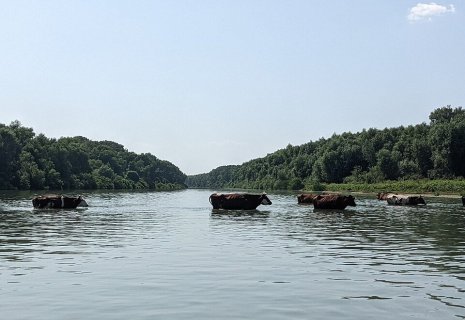
The hydrological situation was also reviewed, particularly the water level of the Danube and the operation of the Danube–Tisa–Danube Hydrosystem. It was noted that water levels have risen somewhat following exceptionally low levels. Although this represents a positive trend, the situation continues to be closely monitored.
The low water level of the Danube is still hampering river traffic, with vessels operating with reduced carrying capacity and navigation continuing under limited conditions. The meeting also noted that electricity supply remains stable, while the power system is being continuously monitored due to high temperatures and increased consumption.
Enhanced monitoring of surface water quality and the state of water supply is continuing, with particular attention to areas affected by low water levels, high temperatures and drought. Monitoring results are regularly published by the relevant institutions, alongside continuous monitoring of air quality and informing the public about potential risks.
The Republic’s Emergency Situations Headquarters will continue to monitor the situation and, in cooperation with all relevant institutions and services, take the necessary measures to protect lives, property and the safety of citizens.
Photo Ministry of Interior of Serbia