Climate change threatens older people
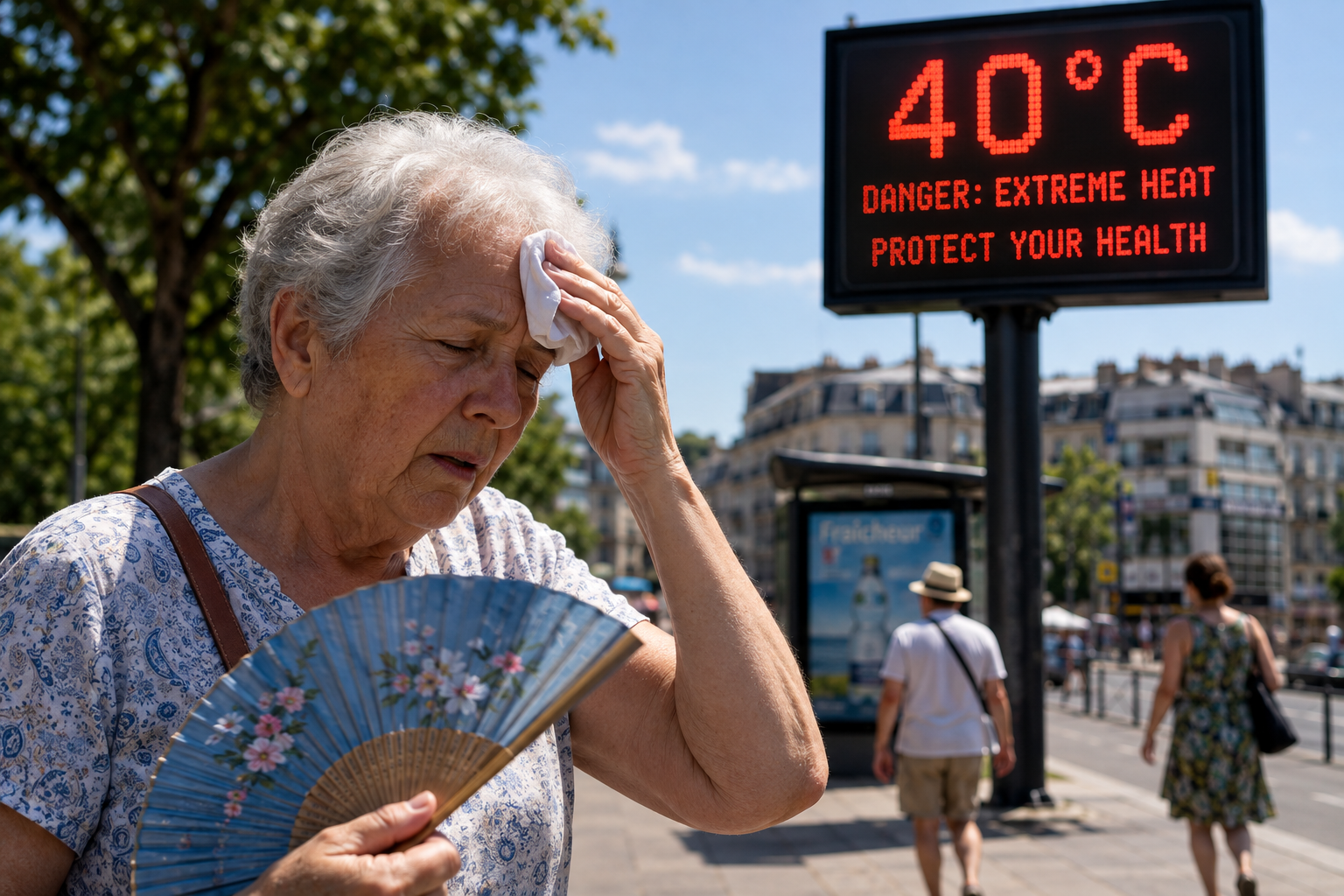
As the planet continues to warm, people over the age of 60 will increasingly be exposed to unbearable heat in the coming decades, with the risks facing them even greater than previously estimated, according to a study published today in the scientific journal The Lancet Planetary Health.
The findings by U.S. researchers from Stanford University come as Europe and the United States are experiencing an unusually hot summer, CE Report quotes ANA-MPA.
France, in particular, recorded unprecedented heatwaves and periods of extreme heat in late June, with excess mortality exceeding 6,000 deaths.
Stanford researchers sought to estimate the extent to which climate change and global warming will expose people over 60 to dangerous levels of heat by 2100.
The research area had already been considered well studied. However, scientists warn that previous studies appear to have significantly underestimated the risks faced by older people because they relied on data that is now partly outdated.
A key factor is the wet-bulb temperature (Tw), which combines air temperature with humidity. The same temperature can be far more dangerous for humans when accompanied by higher humidity.
For years, however, the risks associated with specific combinations of temperature and humidity were assessed mainly using data on young, healthy people. More recent research focusing on older adults indicates that the risks for this group have been underestimated.
Taking into account the new data and combining it with models projecting global population aging over the coming decades, the study's authors concluded that “unbearable heat will affect far more people, across wider areas, at a much greater scale and for longer periods” than previously estimated.
For example, if global temperatures rise by 1.5 degrees Celsius above pre-industrial levels by 2100, 22 percent of people over 60 could be exposed to dangerous heat for more than one month every year, according to the findings. The results, however, depend on certain methodological assumptions.
The U.S. researchers stressed that the countries most at risk are those where large sections of the population lack adequate means of protection from extreme heat. They called for measures to improve access to tools such as air conditioning and for reductions in carbon dioxide emissions.
Photo: Chat GPT