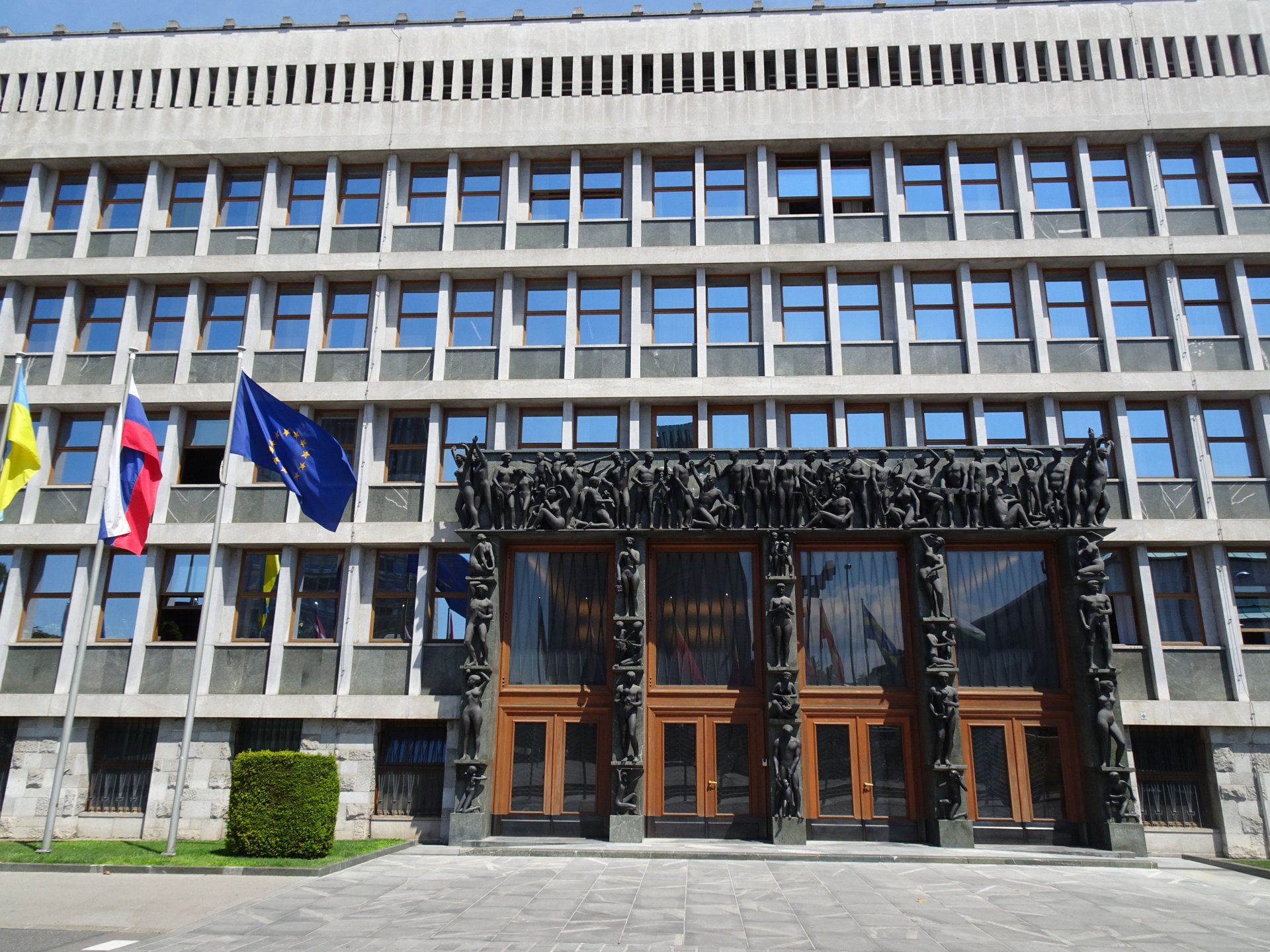
Slovenian Parliament confirms revised 2026 budget
The National Assembly of Slovenia has endorsed a revised government budget for 2026, which primarily increases expenditure designed to accelerate the drawing of EU recovery funds and spending to meet the country's NATO defence commitments.
Bolstered by a significant upgrade in the economic growth forecast to 3.8% for this year, revenue is projected at €16.5 billion, 6.3% more than in the current budget, CE Report quotes The Slovenia Times.
Expenditure is rising by 6.2% to €18.8 billion, or over €1 billion on the budget approved under the previous government.
Deficit is being increased by around €100 million to €2.2 billion, or 2.9% of GDP, which Finance Minister Andrej Šircelj has pointed out keeps Slovenia within European fiscal rules.
However, the Fiscal Council has warned that the increase in net expenditure of around 8% again exceeds the 4.4% growth limit set in the medium-term structural fiscal plan, and that despite the favourable economic situation the budget does not contain measures to ensure a sustained improvement in public finances.
PM berates previous govt over budget planning
Prime Minister Janez Janša said the revised budget was "securing funds for the state's obligations, public services, and investments; accelerating the drawing of of EU funds, and laying the groundwork for tax relief, a more competitive economy, and a better quality of life for people".
He said revision was required to correct poor and irresponsible public finance management by the previous government, which took on commitments without adequate financial backing, allowed delays in the drawdown of EU funds, and created a gap between international commitments and their financing.
He accused the previous government of handing out money that was not accounted for ahead of the election to score political points, such as by introducing a mandatory Christmas bonus, which left his government having to "seek for funding in the supplementary budget".
Meanwhile, Finance Minister Šircelj said that budget revenue was increasing "primarily due to improved economic activity, not because of higher taxes". The increase in expenditure is aimed at meeting legal obligations, investment in defence and natural disaster recovery, and the finalisation of projects funded from the EU's Recovery and Resilience Facility. The budget has also been adapted to the new organisation of the public administration.
Spending for binding defence commitments to NATO is being increased by €296 million for a total defence spending of 2.03% of GDP. Meanwhile, spending limits for measures and projects under the national recovery and resilience plan have been increased by €320 million.
Opposition fights back
The centre-left opposition voted against the revised budget. "It doesn't contain a single cost-saving measure, not a single streamlining effort, not a single systemic change, and not a single step toward reform," former Finance Minister Klemen Boštjančič said. Pointing to solid economic growth in the first half of the year, he said the government was shamelessly taking credit for someone else's achievements, considering it assumed office in June.
The opposition also argued that the budget did not sufficiently reflect the social and development needs, and that it allocated fewer funds than needed for science, culture, and programmes for minorities, while "strengthening repression".
The revised budget was passed as the government began reviewing the budget documents for the next two years. While it is yet to approve the draft documents Minister Šircelj promised the deficit would be maintained below 3% of GDP. Spending is expected to reach €18.4 billion in 2027 and €19.1 billion the following year, as revenue is forecast to settle at just over €16 billion next year, before rising by 4.1% in 2028.
Photo: Pexels (Free Stock Photos)