Montenegro reaffirms commitment to EU membership at 22nd Salzburg Europe Summit - EXCLUSIVE (PHOTO)
By Aytan Aliyeva
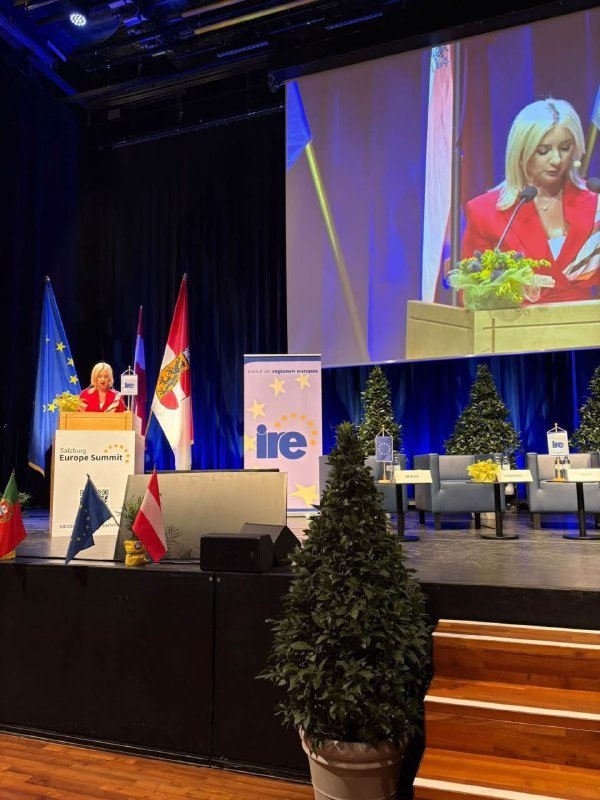
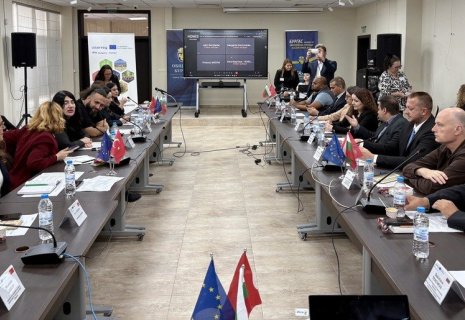
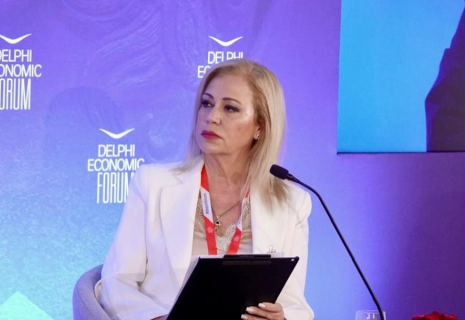
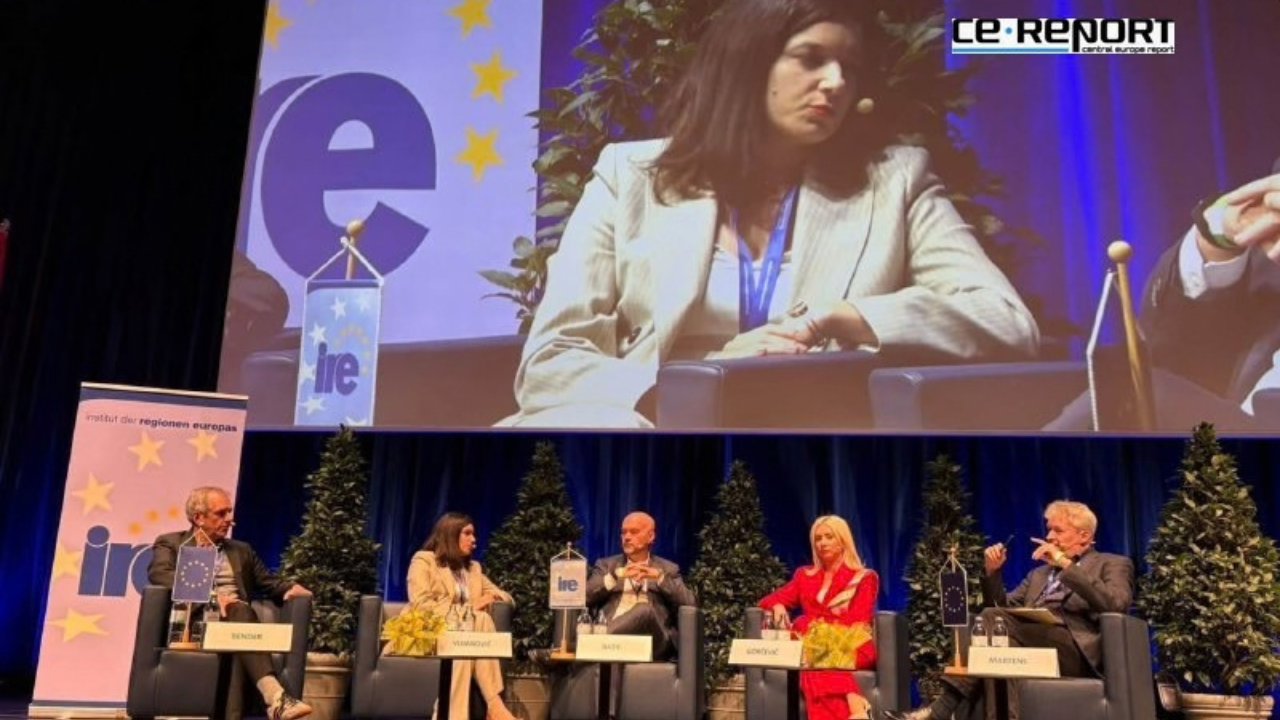
Montenegro’s Minister for European Affairs, Maida Gorčević, reaffirmed Montenegro’s commitment to full and equal membership of the European Union during the panel discussion “Enlargement as a Geopolitical Success for Europe?”, held within the framework of the 22nd Salzburg Europe Summit.
The discussion brought together Minister Gorčević; Nina Vujanović, economist and EU enlargement expert and Research Fellow at Bruegel; Christoph Rath, Member of the Board of Directors of Vienna Insurance Group (VIG), responsible for the Western Balkans; and Kristof Bender, Deputy Chairman and Senior Analyst at the European Stability Initiative (ESI).
Minister Gorčević stressed that Montenegro’s European integration is important not only for the country itself, but also for the credibility of the EU enlargement process. She underlined that Montenegro is not seeking lower standards or shortcuts and expects progress towards membership to reflect the fulfilment of the agreed accession criteria.
Highlighting Montenegro’s record as a reliable candidate country, Gorčević pointed to the country’s hundred percent alignment with the EU’s Common Foreign and Security Policy, including the implementation of sanctions against Russia. She noted that these decisions carried economic costs, particularly given Montenegro’s dependence on tourism and the historical importance of Russian visitors, but the country nevertheless remained aligned with EU policy. She also stated that Montenegro plans to achieve full alignment with the EU visa policy by 1 November, ahead of anticipated accession.
A central part of the discussion concerned proposals under which future EU members could join without immediately receiving national veto rights. Minister Gorčević stressed the importance of equality among EU member states, noting that membership entails both rights and responsibilities. She said that Montenegro is prepared to accept strong rule-of-law monitoring and safeguards against backsliding, but raised concerns about changing the conditions of membership after a candidate country has fulfilled the established accession requirements.
Question on whether Montenegro would reject an offer of EU membership if veto rights were temporarily withheld, Gorčević said that such an issue would have to be discussed with Montenegrin citizens. She noted that approximately 70% of citizens support EU membership, with expectations built around full membership under the existing framework. Changing the rules at the final stage of the process could therefore raise questions of credibility and fairness.
Gorčević also supported integration and greater access to EU structures during the accession process, provided that such measures remain steps towards full EU membership rather than alternatives to it. For Montenegro, she stressed, European integration is not solely about financial assistance or economic benefits, but also about European values, political belonging and equal participation in EU decision-making.
The wider panel discussion examined possible ways of making EU enlargement more tangible and effective. Nina Vujanović highlighted persistent non-tariff barriers affecting Western Balkan economies and argued for deeper economic and regulatory integration. She noted that technical and sanitary requirements can generate costs equivalent to tariffs of approximately 3-4%, while broader non-tariff barriers can raise the equivalent cost to up to 12%. She also stressed the contribution that the Western Balkans can make to Europe in areas such as energy, manufacturing and supply-chain integration.
From the business perspective, Christoph Rath underlined that investors such as Vienna Insurance Group have maintained a long-term presence in the Western Balkans independently of the timetable for EU accession. He noted VIG’s significant presence in Montenegro and described existing regulatory differences as manageable rather than fundamental obstacles. On the question of veto rights, Rath cautioned that membership with reduced rights could be perceived by citizens as “second-class membership”, potentially affecting public confidence in European integration.
Kristof Bender presented the European Stability Initiative’s proposal for candidate countries that fulfil the necessary requirements to gain access to the EU Single Market before full membership. He argued that this could provide important benefits and incentives for reforms even when political obstacles delay formal accession. Referring to the experience of Austria, Finland and Sweden with the European Economic Area before joining the EU, Bender described Single-Market participation as a possible bridge towards eventual full membership, while stressing that it would require regulatory alignment, functioning institutions and respect for the rule of law.
The discussion highlighted the geopolitical significance of enlargement and the need to maintain a credible accession process. Minister Gorčević reiterated that, for Montenegro, integration can provide valuable intermediate benefits, but the country’s strategic objective remains full and equal membership of the European Union.
Gallery