EU candidate countries: diverging paths to membership (PHOTO/VIDEO) - EXCLUSIVE
By Aytan Aliyeva
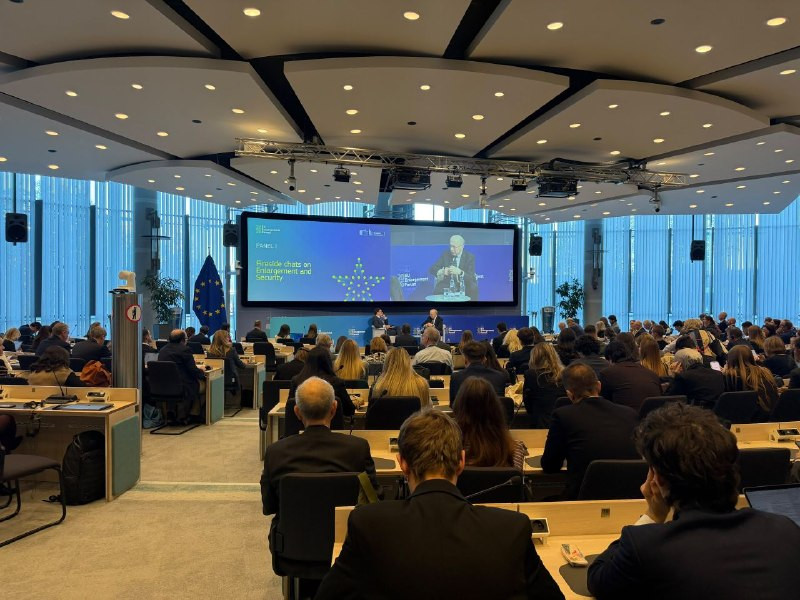
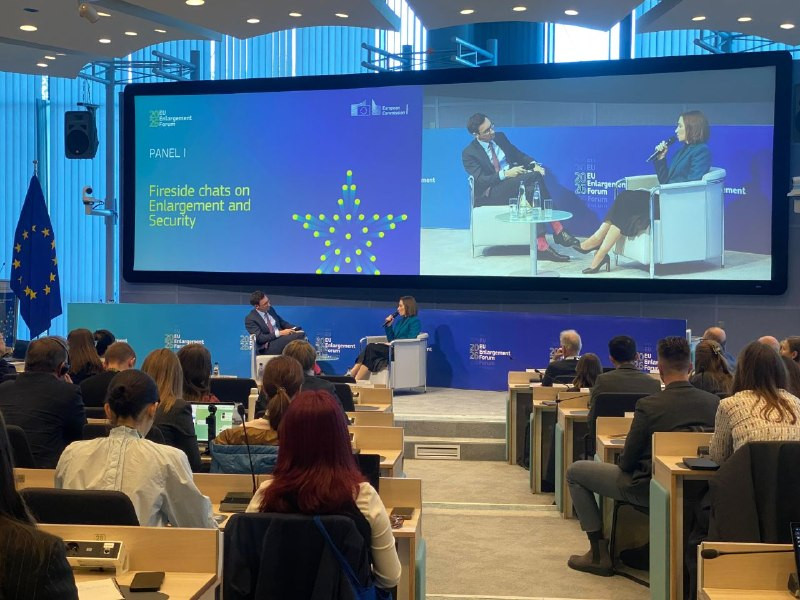
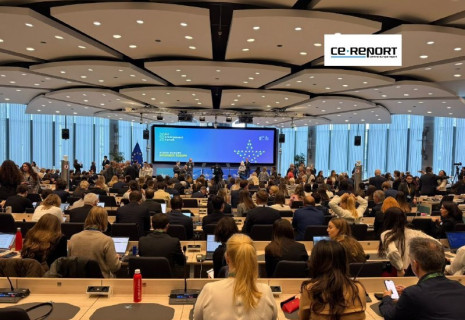
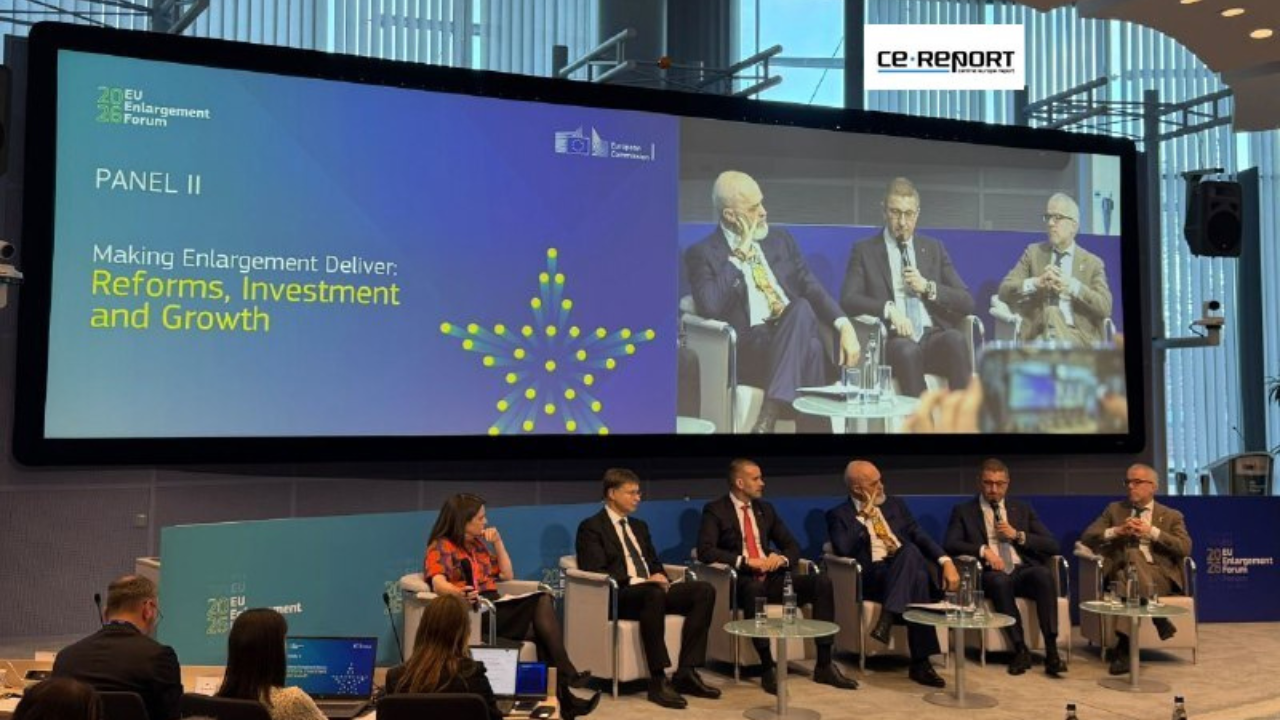
European Union enlargement needs clear accession timelines, consistent reform requirements and decisions from member states, leaders from Moldova and the Western Balkans said at the EU Enlargement Forum.
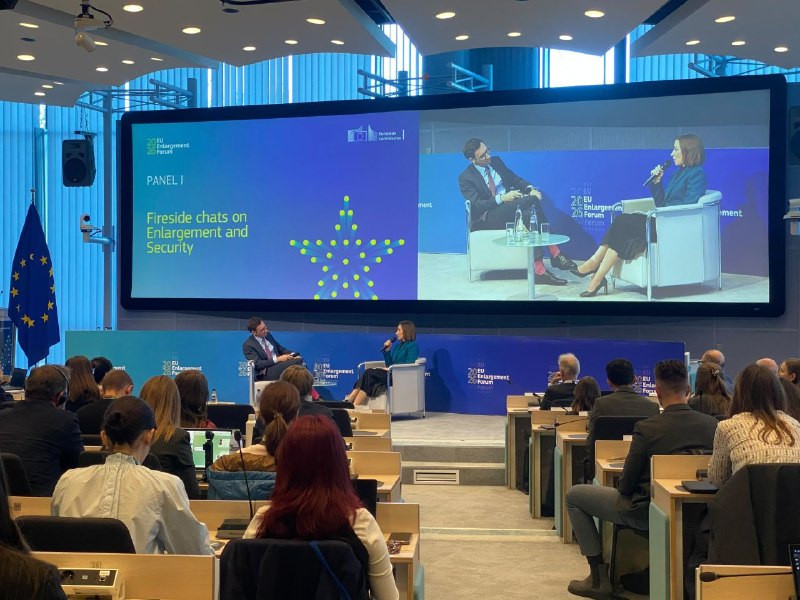
Maia Sandu: Moldova aims to conclude negotiations by early 2028
President Maia Sandu reaffirmed Moldova's objective of completing EU accession negotiations by the beginning of 2028, describing the timetable as achievable if reforms continue and EU institutions respond to the country's progress. Sandu recalled that Moldova had submitted its membership application in March 2022 and had since advanced through several stages of the accession process. At the time, Moldova had opened four of the six negotiating clusters and was prepared to open the remaining two. Sandu said her government intended to work towards the European Commission's indicative objective of provisionally closing 25 negotiating chapters in 2027, with the possibility of exceeding that target. She stressed that Moldova's progress depended on both domestic reforms and decisions by EU member states. When the European Commission confirms that the required conditions have been met, she argued, the Council should allow negotiations to proceed. Sandu also expressed hope that Moldova could sign an accession treaty before the end of her presidential mandate, while acknowledging that ratification procedures would still be necessary before membership took effect.
Russian interference and Moldova's security concerns
President Sandu linked Moldova's accession process to the country's security and its efforts to counter Russian interference. She accused Moscow of using electoral interference, illegal political financing, disinformation and other methods to influence Moldova's political system. According to Sandu, Russia's objective is to turn Moldova into a state hostile to Ukraine, comparable to Belarus. She warned that such a development would affect regional security, particularly given Moldova's approximately 1,200-kilometre border with Ukraine. Sandu said interference was no longer limited to election periods but involved continuing efforts to influence public opinion and weaken trust in democratic institutions. She also warned that delays in EU accession could reinforce claims that membership was unattainable. Progress in negotiations, she argued, was therefore important for maintaining public support for reforms. The president noted that Moldova's European course had been supported through a constitutional referendum and subsequent presidential and parliamentary elections, despite attempts at external interference. Sandu rejected the suggestion that Moldova and Ukraine should compete over accession. She welcomed Ukraine's progress and argued that the integration of both countries would contribute to regional security.
Moldova supports temporary post-accession safeguards
Sandu expressed support for temporary safeguards that could help ensure new member states continue respecting EU standards after accession. Such arrangements could address concerns among existing member states about the rule of law, democratic institutions and compliance with EU obligations. Their scope and duration would need to be negotiated, while Moldova would expect to receive full membership rights. She also acknowledged the need to engage with political parties and citizens across the EU to explain the benefits of Moldova's accession. Moldova's diaspora, she suggested, could contribute to these discussions by strengthening connections between Moldovan society and EU member states.
Montenegro seeks to become the EU's 28th member
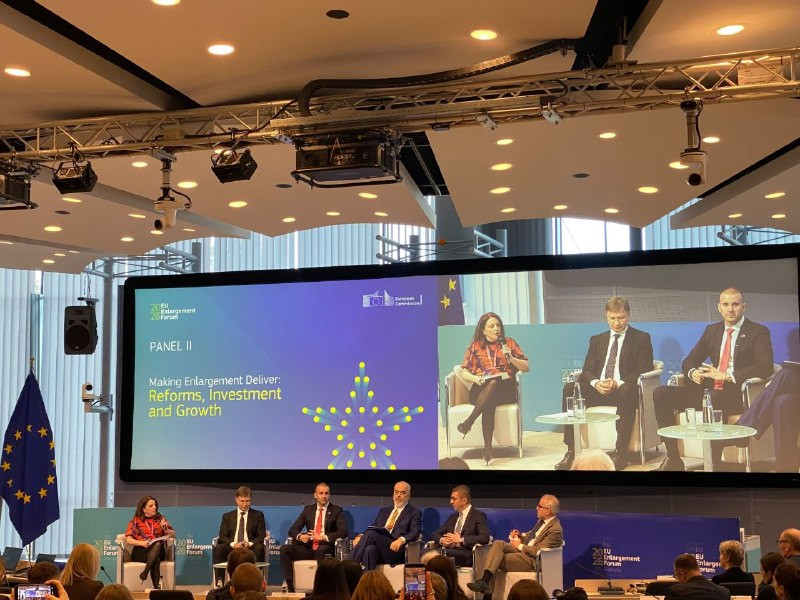
Montenegrin Prime Minister Milojko Spajic presented his country's accession timetable and the reforms undertaken to advance negotiations. Spajic said Montenegro had concentrated on meeting the interim benchmarks in the rule-of-law chapters before moving towards the remaining requirements for closing negotiations. He recalled that Montenegro had been negotiating EU membership for more than a decade and said the government had accelerated its reform program since 2023. According to Spajic, Montenegro had completed technical preparations for the remaining chapters and submitted its negotiating positions. The government's objective is to sign an accession treaty in 2027 and become the EU's 28th member in 2028. Spajic acknowledged that completing technical negotiations would not automatically result in membership. Montenegro would still require the agreement of all 27 EU member states, and bilateral issues, including concerns raised by Croatia, could affect the process. He said the government would continue diplomatic engagement with member states to address outstanding questions. Spajic argued that Montenegro's accession would demonstrate that candidates can achieve membership by fulfilling the required conditions.
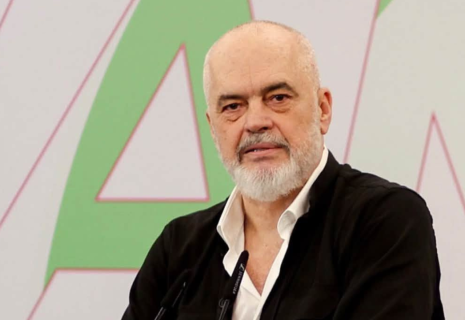
Edi Rama: Reforms must be followed by political decisions
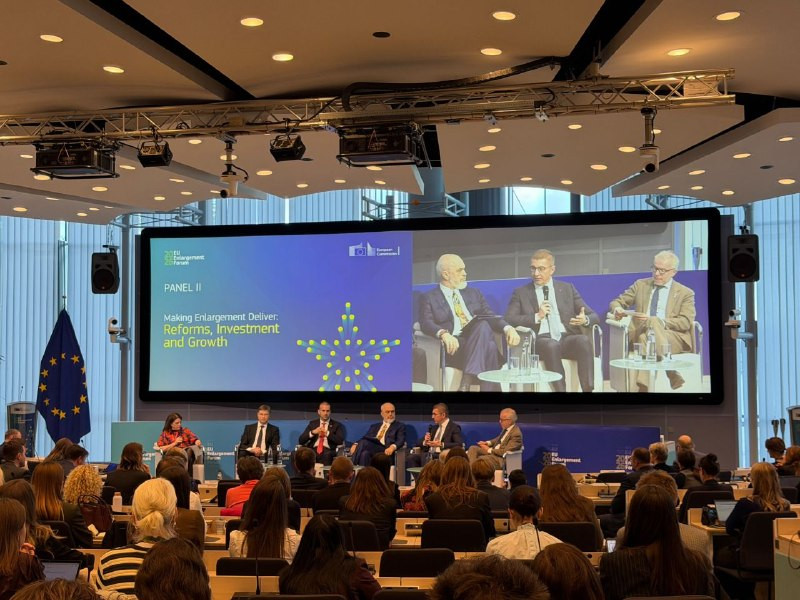
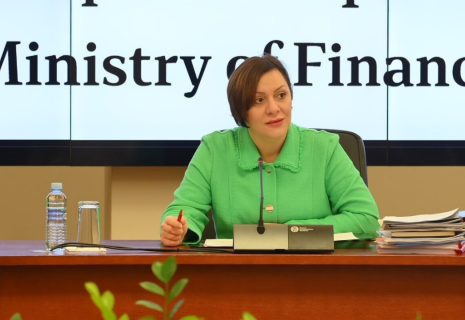
Albanian Prime Minister Edi Rama focused on the relationship between the technical requirements of accession and the political decisions taken by EU member states. Rama said the accession process had contributed to institutional reform in Albania, including changes in public administration, governance and the functioning of state institutions. He described the European Commission's scrutiny of candidate countries as demanding but necessary, arguing that the process had helped Albania develop the administrative capacity required for membership. At the same time, Rama criticized situations in which candidates had fulfilled technical requirements but were unable to advance because of political disputes or decisions within individual member states. He referred to Albania's previous difficulties in opening negotiations and argued that the conditions faced by current candidates were more extensive than those applied during earlier enlargement rounds. Rama called for EU governments to make decisions consistent with the progress assessed by the Commission. Referring to former German Chancellor Helmut Kohl and German reunification, he argued that political leadership had played a role in previous stages of European integration and remained necessary for enlargement.
Rama supported measures allowing candidate countries to participate in parts of the EU system before accession, including through the Growth Plan for the Western Balkans. He argued that earlier access to economic programs, institutions and selected EU policies could help candidates prepare for membership and deliver benefits during negotiations. However, he opposed replacing full accession with associate membership or reducing the standards candidates must meet. Rama maintained that the requirements of the accession process were important for institutional development and should remain in place. He proposed allowing candidates greater participation in European discussions while linking additional rights and benefits to progress on reforms. Rama also warned that prolonged delays could create opportunities for other international actors, including Russia and China, to increase their influence in the Western Balkans. For Albania, he said, the objective remained full EU membership through a process that recognized completed reforms.
North Macedonia challenges identity-related accession conditions
North Macedonian Prime Minister Hristijan Mickoski criticized the role of bilateral disputes and identity-related conditions in his country's accession process. He recalled that North Macedonia had pursued EU membership for more than two decades and had made concessions, including changing the country's name. Mickoski questioned the requirement to amend the constitution, arguing that there was no guarantee that fulfilling the condition would prevent additional demands from emerging. He said accession should focus on institutional reform, democratic standards and compliance with EU legislation rather than changes affecting national identity. Despite these objections, Mickoski reaffirmed North Macedonia's commitment to European integration. He cited work under the country's Reform Agenda, alignment with the EU's Common Foreign and Security Policy and measures involving payment systems and roaming as examples of cooperation with the Union. He also said public support for EU membership remained substantial, although delays and repeated political conditions had increased frustration. Mickoski's intervention highlighted the difficulties that arise when bilateral disputes become part of the accession process, even as candidates continue implementing reforms.
Reuten: EU governments must fulfil enlargement commitments
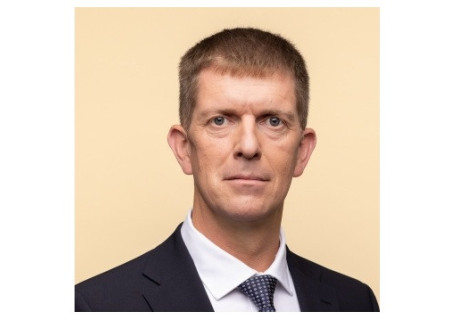
Member of the European Parliament Thijs Reuten called for greater responsibility from EU institutions and national governments in advancing enlargement. Reuten welcomed the renewed focus on accession and the work of Enlargement Commissioner Marta Kos on gradual integration and clearer negotiating roadmaps. However, he argued that the European Council and member states needed to follow political commitments with decisions that allowed candidates to advance when the required conditions were met. He said enlargement served the interests of existing EU members as well as candidate countries, particularly in relation to security, economic cooperation and regional stability. Reuten supported maintaining conditions on financial assistance and integration measures, including those linked to the Growth Plan. He argued that EU funding should be connected to reforms and measurable results. Reuten also warned against using internal EU reform as a reason to postpone enlargement indefinitely. If member states considered institutional changes necessary, he said, they should take responsibility for implementing them. His remarks placed obligations on both sides of the accession process: candidates must meet the criteria, and EU institutions and governments must act on the results.
Growth Plan links reforms with economic integration
European Commissioner Valdis Dombrovskis discussed the economic effects of previous enlargement rounds and the potential benefits of integrating candidate economies into the EU market. He highlighted the 6 billion euros Growth Plan for the Western Balkans, which links financial support and investment to the implementation of agreed reforms. The plan aims to support economic convergence, improve competitiveness and provide access to selected benefits of the EU single market before accession. For the Western Balkan leaders, these measures could support economic development during negotiations but would not replace the objective of full membership. The discussion also addressed the importance of ensuring that reform commitments result in investment, improvements in public services and opportunities for businesses and citizens.
The discussions highlighted the varying priorities of the EU candidate countries. Moldova aims to finish accession negotiations by early 2028, whereas Montenegro is targeting an accession treaty in 2027 and membership in 2028. Albania advocated for political decisions to reflect reform progress, and North Macedonia urged the EU to separate accession requirements from bilateral identity disputes. MEP Thijs Reuten stated that member states must honour their commitments while upholding reform standards. As European leaders linked enlargement to security and economic integration, the forum reinforced the idea that further progress relies on reforms by candidate countries and political decisions by EU member states.
Gallery