Israel’s opposition secures key parliamentary post ahead of government coalition talks
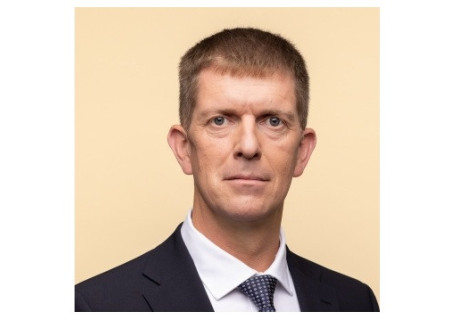
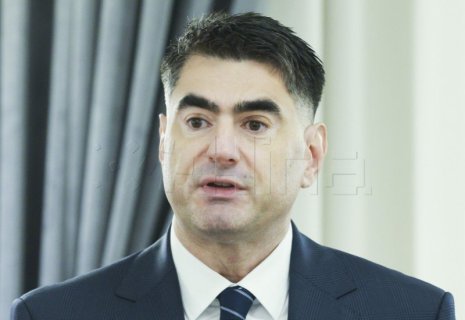
Israel's opposition has secured a significant parliamentary victory after Matan Kahana, a representative of the centrist Yashar party, was elected Speaker of the Knesset. The vote took place three weeks after the parliamentary elections.
Kahana received the support of 66 out of 120 lawmakers, Deutsche Welle reported, CE Report quotes MOLDPRES.
Kahana, 54, replaces Amir Ohana, a member of the right-wing conservative Likud party led by former Prime Minister Benjamin Netanyahu. The opposition hopes that the change in parliamentary leadership will give it greater influence over legislative proceedings.
One of the opposition's main objectives is to repeal key provisions of the controversial judicial reform promoted by Netanyahu's government since 2023.
Kahana's election was accompanied by political controversy. Israeli Finance Minister Bezalel Smotrich, a representative of the far-right, had previously warned him against accepting the position with the support of what he described as "votes from Israel's enemies", referring to Arab parties.
Kahana urged Smotrich to respect the democratic process and the outcome of the vote. Arab parties supported his candidacy, prompting some lawmakers from Netanyahu's political camp to shout "Shame!" during the proceedings.
Likud had nominated lawmaker Ofir Katz for the position, but he failed to secure the necessary number of votes.
The new Knesset speaker has an extensive military background. He served in the elite Sayeret Matkal unit before spending 24 years as a pilot in the Israeli Air Force, eventually reaching the rank of colonel.
A lawyer by profession, Kahana supports strengthening Israel's Jewish identity but also advocates greater willingness to compromise on religious issues and reducing the influence of ultra-Orthodox parties.
The parliamentary elections held on October 27 failed to give a majority to either Netanyahu's right-wing and religious bloc or the opposition led by Gadi Eisenkot.
Against this backdrop, Israeli President Isaac Herzog tasked Eisenkot with forming a new government.
Eisenkot has until December 6 to negotiate the formation of a governing coalition. If necessary, the deadline can be extended by another 14 days.
It remains unclear whether he will be able to secure sufficient parliamentary support, given the significant disagreements between political parties, particularly over potential cooperation with Arab and ultra-Orthodox political groups.
Photo: Facebook/matankahanany