EU enlargement enters new geopolitical era (PHOTO/VIDEO)
By Aytan Aliyeva
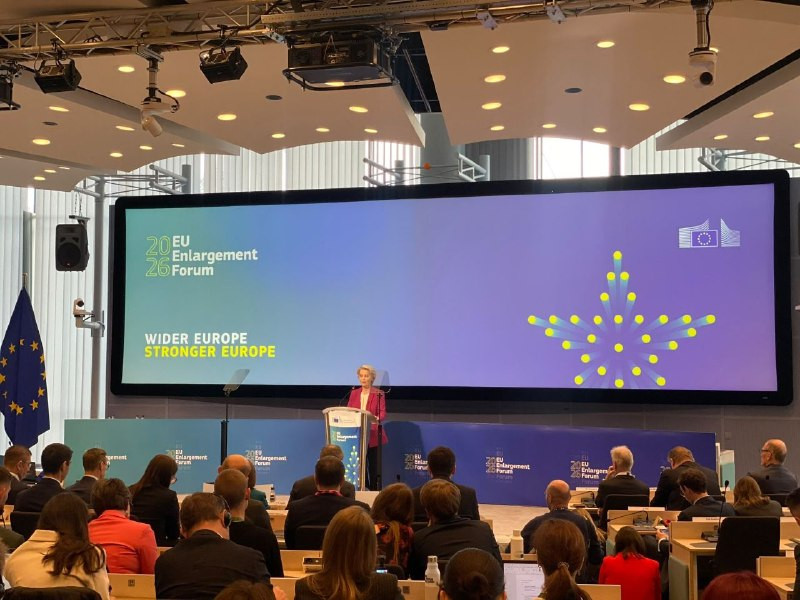
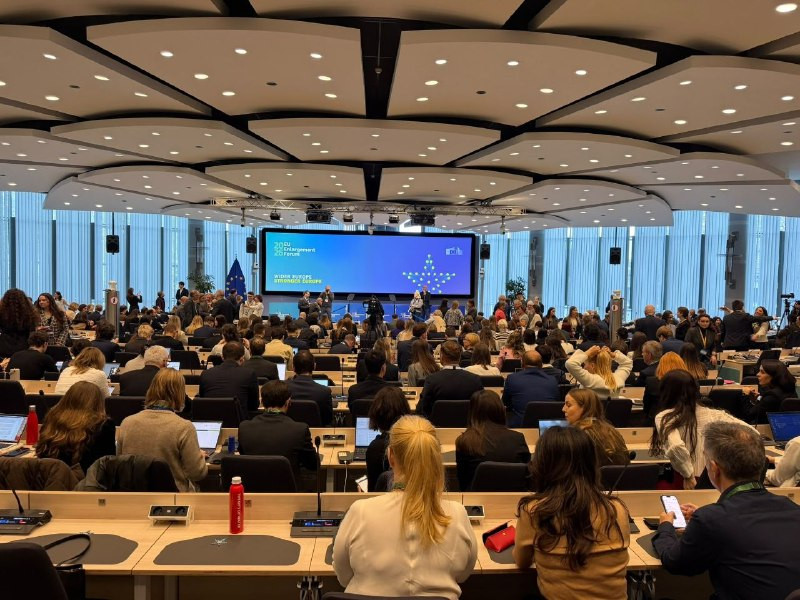
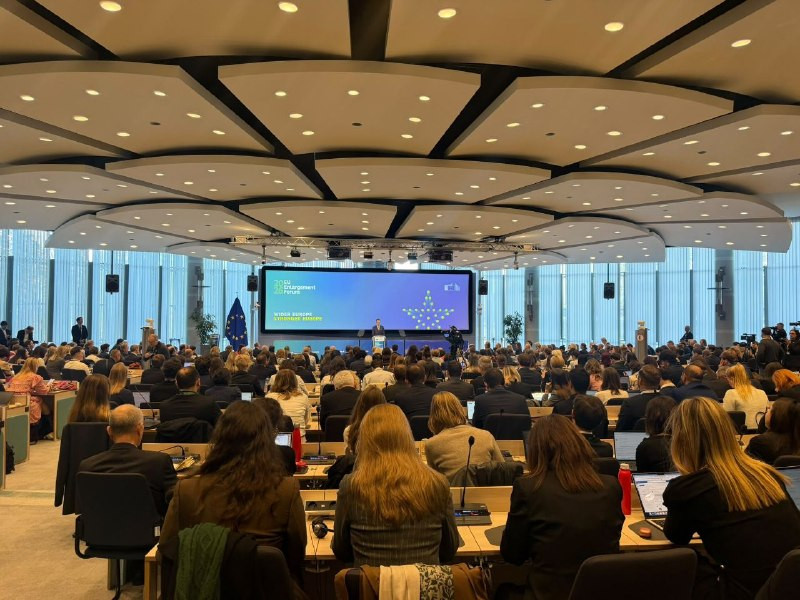
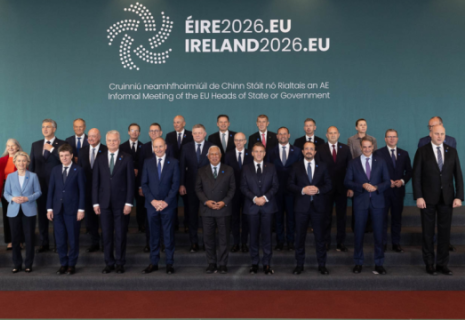
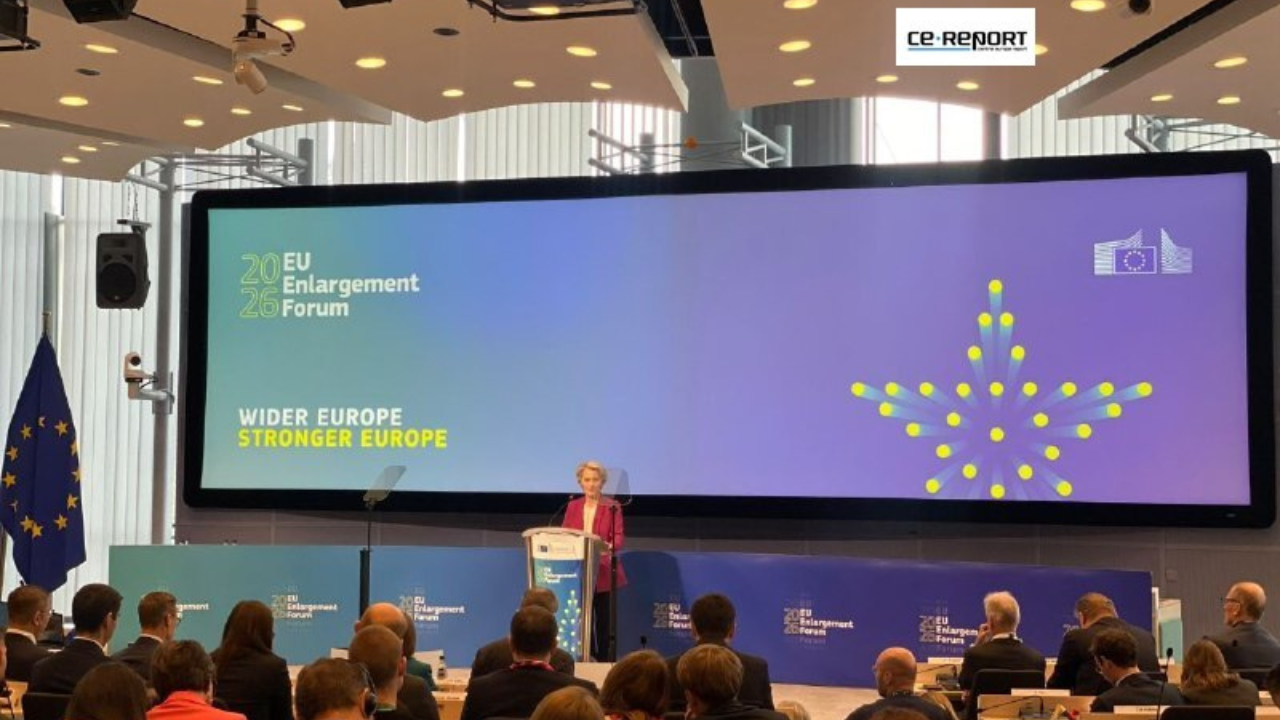
At the EU Enlargement Forum in Brussels, the European Commission and Finland’s president presented enlargement as a strategic response to Russia’s aggression, mounting geopolitical competition and Europe’s changing security environment. Their message was one of renewed momentum, but also of institutional reform, gradual integration and the need to ensure that future members uphold EU commitments.
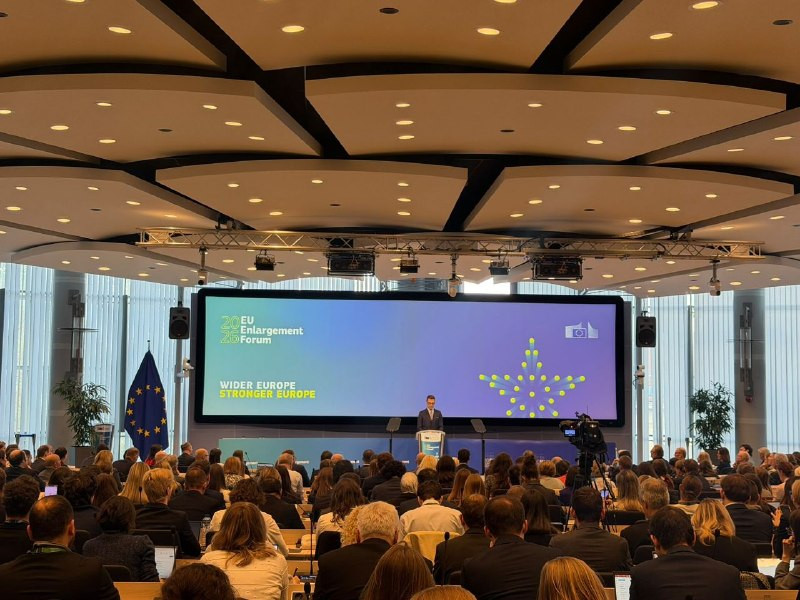
The European Union must accelerate its enlargement process while preparing its own institutions for a potentially larger and more geopolitically diverse bloc, senior European leaders argued at the EU Enlargement Forum in Brussels.
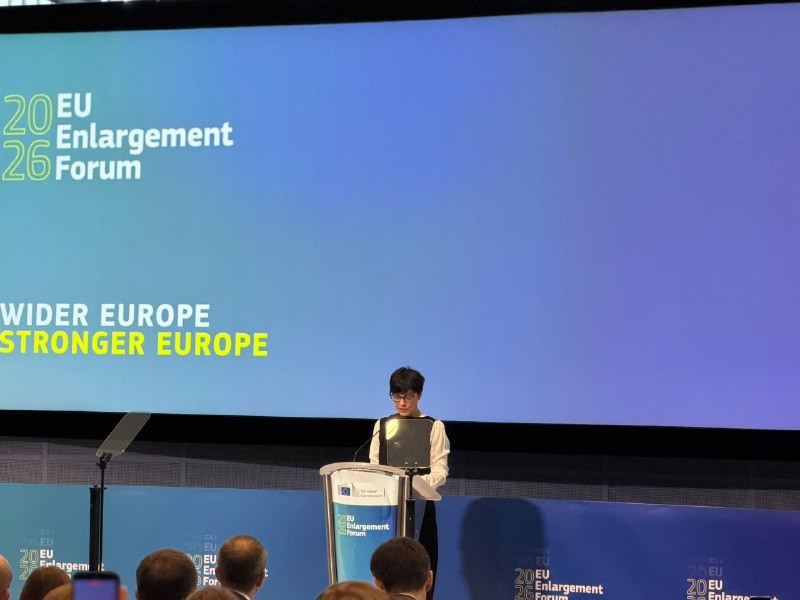
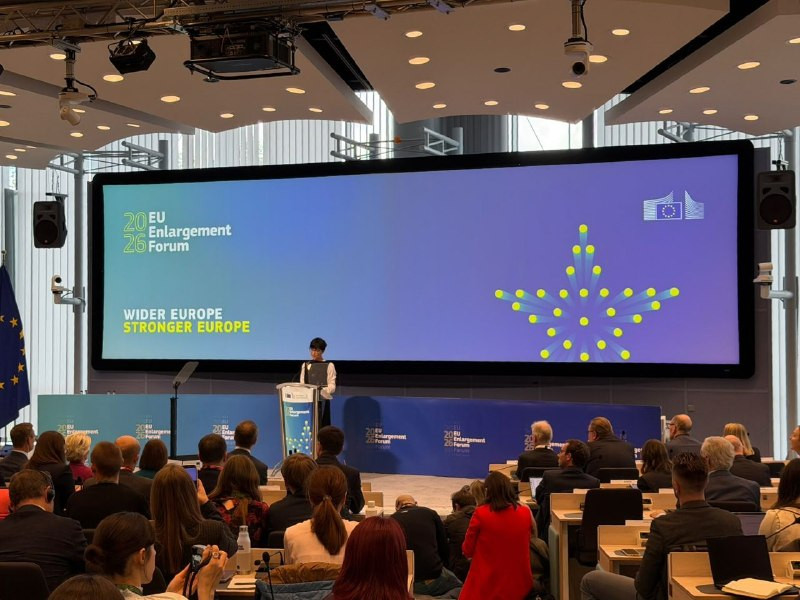
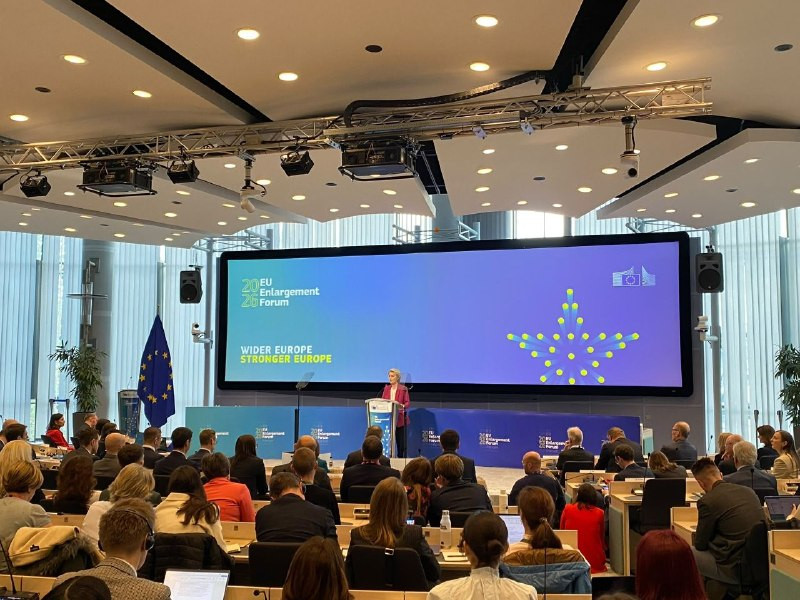
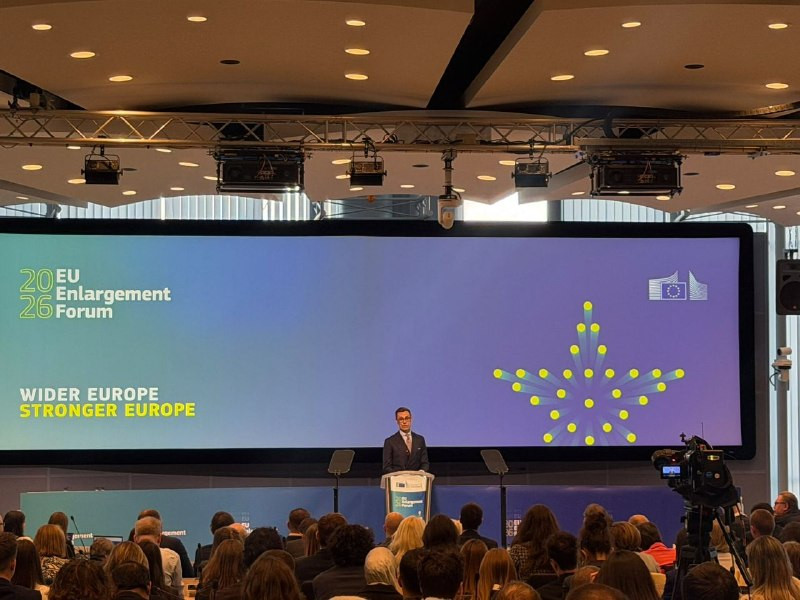
European Commissioner for Enlargement Marta Kos, European Commission President Ursula von der Leyen and Finnish President Alexander Stubb delivered complementary messages: enlargement is no longer simply a question of economic convergence, legal harmonisation or the fulfilment of negotiating chapters. It has become a central element of Europe’s security, prosperity and geopolitical influence. The speeches reflected growing urgency over the future of Ukraine, Moldova and the Western Balkans, alongside a recognition that the EU’s existing decision-making structures and traditional accession procedures may struggle to respond at the pace demanded by geopolitical developments. Three leaders approached the challenge from different perspectives. Kos emphasised the renewed political momentum behind enlargement and its importance for European unity. Von der Leyen outlined a more operational approach, combining gradual access to the single market with stronger safeguards for the rule of law. Stubb called for greater strategic imagination, arguing that Europe needs flexible forms of integration and a wider network of partnerships without abandoning full membership as the ultimate objective for eligible candidates.
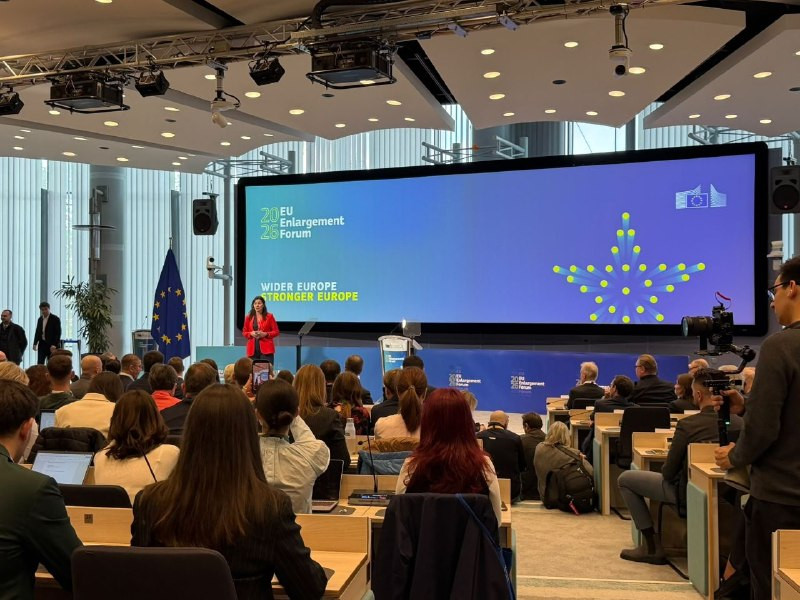
Marta Kos: Enlargement as a defence of Europe’s unity
Enlargement Commissioner Marta Kos placed the current debate in the historical context of the EU’s previous expansion. She recalled how successive rounds of enlargement had brought 13 new member states into the Union, transforming Europe’s political and economic landscape. For Kos, that experience demonstrated that enlargement is not merely an administrative process. It is a means of consolidating freedom, security and prosperity across the continent. She presented 2026 as an exceptional year for accession progress, asserting that more had been achieved than in any year over the preceding quarter-century. That assessment was a strong political statement about the momentum of the current enlargement process, although the comparison requires examination against the Commission’s formal enlargement reports and the different stages of accession negotiations. Kos also placed Russia’s actions at the centre of the argument for further expansion. She described Moscow’s efforts to obstruct enlargement as part of a broader attempt to undermine European unity and reverse the continent’s political integration. The implication was that the future of candidate countries cannot be separated from the future security of the EU itself. Where enlargement was once frequently presented as an instrument for exporting stability beyond the Union’s borders, Kos’s remarks reflected a broader understanding: the security of the existing EU and that of its prospective members are increasingly interconnected. Her opening intervention established the political foundation for the two subsequent keynote speeches. The question was no longer only whether candidate countries were ready to join, but whether Europe was prepared to respond to the strategic consequences of delaying their integration.
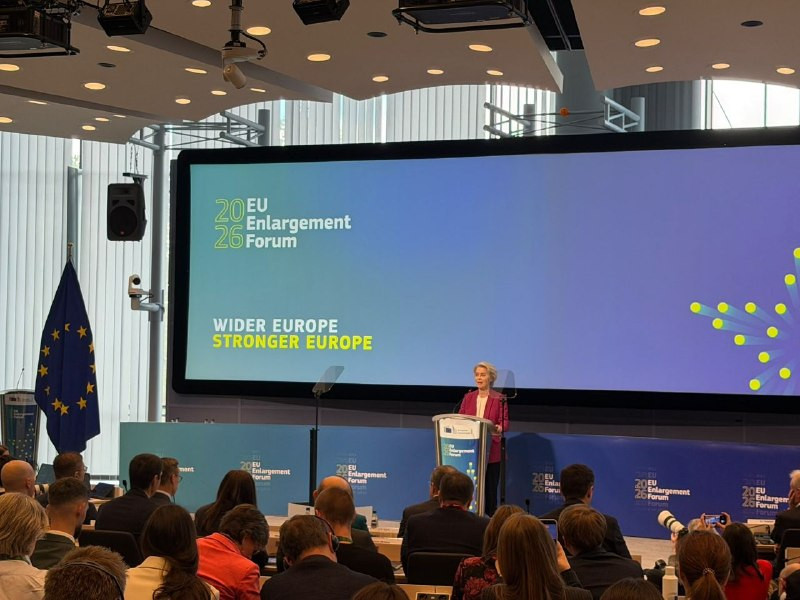
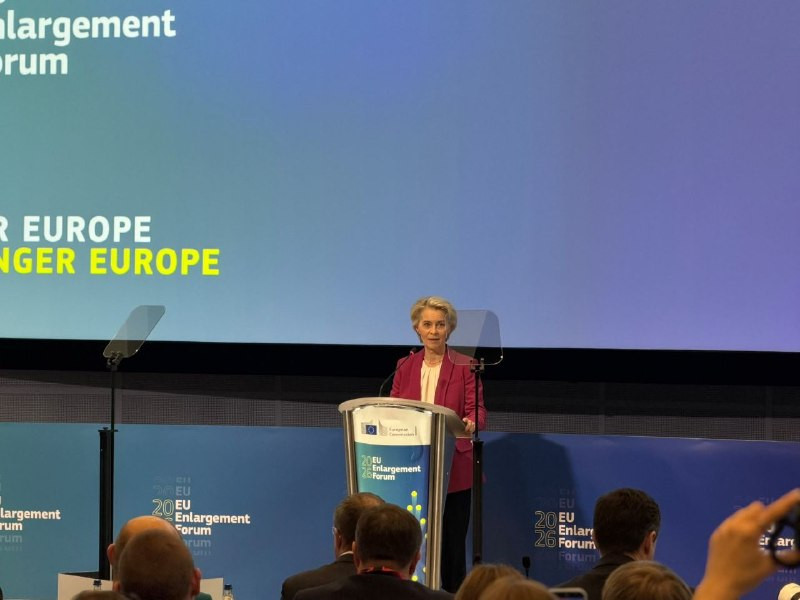
Ursula von der Leyen: The economic and security case for enlargement
Commission President Ursula von der Leyen developed the argument through a retrospective assessment of the EU’s 2004 enlargement and its consequences for both new and existing member states. She portrayed that expansion as a major European success, arguing that it had strengthened economic growth, raised living standards and created new opportunities across the single market. Von der Leyen pointed to the economic transformation of Central and Eastern Europe, including substantial wage growth among countries that joined the EU. She also contrasted Poland’s economic development with that of Belarus, using the comparison to illustrate the long-term significance of different political and economic trajectories. Her argument was not confined to the benefits enjoyed by new members. She cited increases in trade and income among existing EU countries, including stronger Spanish, Italian and Austrian commercial links with the states admitted during the 2004 expansion. The purpose of these examples was clear: enlargement should not be understood as a concession by existing members to poorer neighbours. It can also generate significant economic opportunities for the Union as a whole. That message has particular relevance to contemporary concerns about the possible impact of future enlargement on EU agricultural markets, public finances, labour mobility and competition within the single market. By invoking the economic record of previous enlargement rounds, von der Leyen sought to counter the assumption that admitting new members necessarily comes at the expense of existing ones. At the same time, the economic figures cited in her speech should be understood as claims made in support of her argument; their precise definitions and statistical bases require independent confirmation.
Von der Leyen also argued that enlargement has strengthened European security. She identified Poland’s growing role in European defence as an example of how previous rounds of integration had changed the Union’s strategic position. Looking towards future members, she highlighted the different contributions that candidate countries could bring. Ukraine, she argued, possesses valuable defence experience and technological capabilities developed under the extraordinary pressures of Russia’s war. Moldova has demonstrated democratic resilience in the face of external interference. The Western Balkans offer human capital, economic potential and opportunities for deeper regional integration. This framing represents an important shift in the political language of enlargement. Candidate countries are not presented as states requiring assistance, reform and eventual admission. They are also portrayed as potential contributors to the Union’s security and strategic capacity. In Ukraine’s case, the argument is especially pronounced. The country has developed significant military experience and defence innovation while resisting Russia’s full-scale invasion.
The Commission President highlighted the momentum of several candidates, while making clear that progress remains uneven. Montenegro was presented as approaching the final stages of accession negotiations, reinforcing its position among the most advanced candidates. Albania was also singled out for strong progress, reflecting the Commission’s positive assessment of its reform trajectory. Ukraine and Moldova were described as advancing despite exceptional political and security pressures. These references demonstrated the Commission’s intention to sustain momentum across different parts of the enlargement agenda, even as the circumstances of individual candidates vary substantially. However, von der Leyen did not announce a fixed accession date for any candidate country.
One of the most consequential elements of von der Leyen’s speech was her support for gradual integration before formal accession. Under this approach, candidate countries would gain access to selected parts of the EU single market as they fulfil agreed reform commitments.
The President identified energy, transport and digital technologies among the areas in which this approach is being applied. The underlying principle is straightforward: progress on reforms should produce visible benefits before the lengthy accession process is completed. This could help address a persistent challenge for enlargement policy. Candidate countries are required to undertake extensive institutional and economic reforms, often involving politically difficult decisions, while the principal reward of membership may remain years away. Von der Leyen highlighted North Macedonia’s use of the Growth Plan as a positive example of how reforms and earlier economic integration can reinforce one another. However, such arrangements also raise questions about the extent of participation available to non-members, the obligations associated with market access and the relationship between partial integration and eventual full membership. The Commission’s approach seeks to accelerate economic integration without formally abandoning the established accession framework. Von der Leyen’s second major proposal concerned the durability of reforms after a country joins the Union. She argued that commitments undertaken during accession negotiations must continue to be respected once membership has been achieved.
Von der Leyen also addressed a challenge on the EU side of the negotiating table: the capacity of its institutions to function effectively after enlargement. A larger Union, she argued, cannot afford to become less capable of making decisions. Her response was to call for better use of instruments already available under the existing EU treaties. The formulation was significant for what it included and what it left open. She did not present a detailed institutional reform package or explicitly announce a new proposal to extend qualified-majority voting across particular policy areas. Instead, she framed institutional readiness as a practical necessity that should advance alongside candidate-country reforms. The political challenge is substantial. Enlargement will require the EU to accommodate more national interests while preserving the ability to respond to security crises, economic pressures and international developments. This raises questions about voting procedures, budgetary arrangements, agricultural policy, cohesion funding and the distribution of institutional representation. Von der Leyen’s intervention acknowledged the need for preparation but did not resolve those questions.
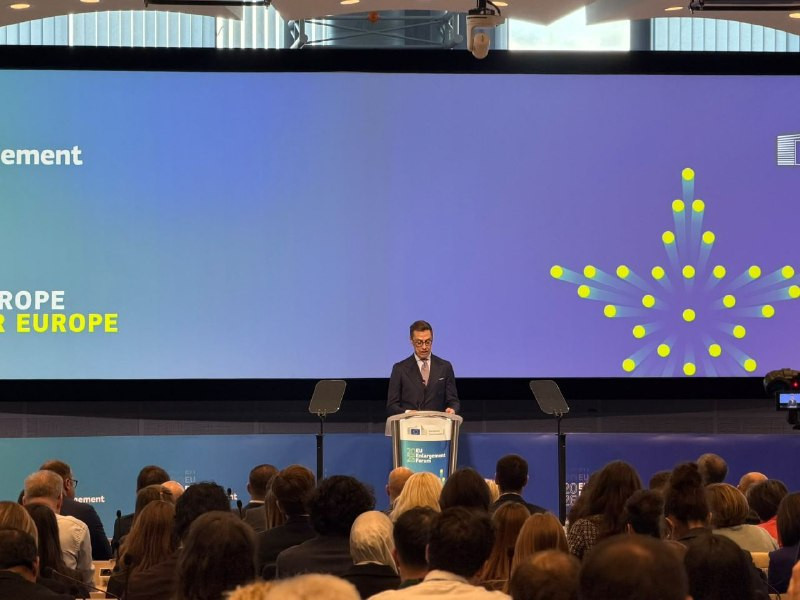
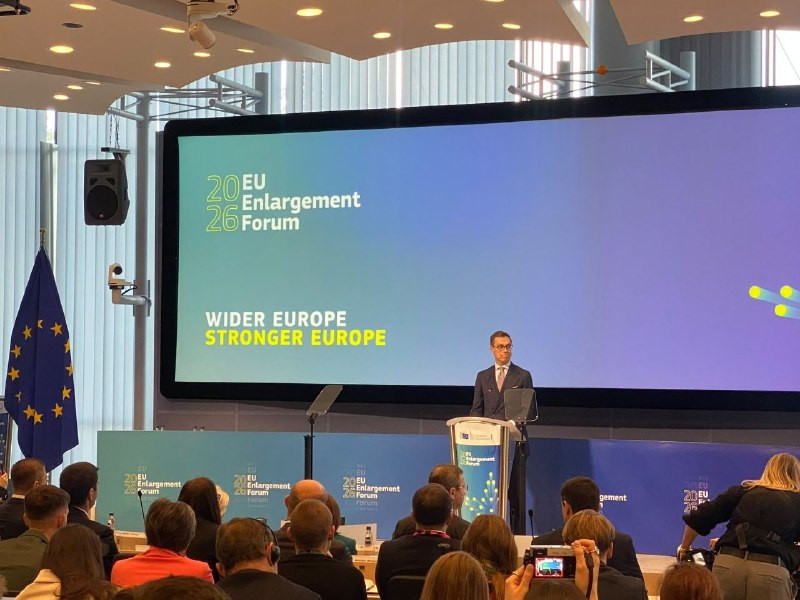
Finnish president Alexander Stubb: The geopolitical clock is moving faster than accession
Drawing on the historical experience of European integration and the 1999 Helsinki European Council, he argued that enlargement has been among the EU’s most successful foreign-policy instruments. His central contention was that Europe can no longer approach enlargement primarily as a technical exercise involving negotiating chapters and legislative alignment. The strategic environment has changed too quickly.
“The geopolitical clock is ticking faster than the accession process.” For Stubb, this mismatch between geopolitical urgency and institutional procedure creates a risk that Europe will fail to act while it still has the opportunity to shape developments on its borders. He portrayed enlargement as a strategic choice about Europe’s future position in an increasingly competitive international order. His argument went beyond the immediate admission of new members. It concerned the broader question of how Europe should organise its political, economic and security relationships.
“Europe must think of itself as a major power”
Stubb rejected the idea that the European Union should regard itself as a middle power. He argued that the EU already possesses considerable economic and regulatory influence, which should be understood as part of its geopolitical strength. Trade policy, competition rules, customs arrangements and monetary instruments are not merely technical tools. They can shape the behaviour of other international actors.
In an environment where energy, technology, supply chains and trade relationships are increasingly used as instruments of geopolitical pressure, Stubb called for Europe to recognise the strategic significance of its economic capabilities. He also emphasised the importance of developing military strength and defence-industrial capacity. The message was that Europe needs to combine its established economic influence with greater security capacity and political determination. Enlargement, in this context, would extend the reach and resilience of the European project.
Stubb’s most substantial policy argument concerned the need for more flexible forms of European integration. He encouraged the EU to explore arrangements that would allow candidate countries to participate in selected institutions, programmes and policy areas before full membership. He referred to concepts familiar from debates about European integration, including differentiated integration, variable geometry, multiple speeds and enhanced cooperation. These models recognise that countries may integrate at different rates or participate in different arrangements while remaining connected to a wider political and economic framework. Stubb suggested that candidate countries could benefit from participation in EU bodies and summits, access to selected parts of the single market and closer involvement in EU policies. He rejected the idea that these arrangements should replace the objective of full membership. They should instead accelerate convergence and make accession more achievable.
The Finnish president maintained that accession must remain based on the Copenhagen criteria, respect for the rule of law and alignment with the Union’s fundamental principles and foreign-policy objectives. His argument was therefore not to abandon conditionality, but to reconsider how integration proceeds while the conditions for full membership are being fulfilled.
Stubb gave particular attention to Ukraine and Moldova. He reaffirmed his view that both countries belong within Europe’s political future and should be able to join the Union once the necessary membership requirements are fulfilled. Ukraine occupied a central position in his security argument. Stubb portrayed the country not simply as a state requiring European protection, but as one capable of contributing substantially to Europe’s collective security.
Its armed forces have acquired extensive combat experience, while its defence sector has developed technological and operational capabilities under wartime conditions. This perspective reverses a traditional assumption in enlargement debates: that the EU provides security and stability to incoming members. In Stubb’s account, Ukraine would also provide security to the EU.
Stubb also pointed to Montenegro as a candidate whose progress could demonstrate that the accession process remains capable of delivering results. His position combined a strong political commitment to enlargement with continued support for merit-based accession.
Stubb envisaged different forms of participation and partnership, recognising that not every strategically important country is an EU candidate or even eligible for membership. Türkiye featured in this discussion as an important NATO ally whose security interests intersect with those of Europe, notwithstanding differences over political values and other issues. Stubb also emphasised the significance of Norway and Iceland, particularly in relation to Nordic and Arctic security. The United Kingdom received especially prominent attention. He advocated closer relations with Britain across defence, intelligence, technology and economic cooperation. He also made clear that he would welcome the United Kingdom back into the EU if it chose that course.
“Europe needs more Britain. And Britain needs more Europe.”
He suggested that Europe should think creatively about closer strategic arrangements with Canada, particularly in security, technology, space and Arctic cooperation. Such an arrangement would differ from EU membership, given Canada’s geographic position and the legal conditions governing accession.
Although Kos, von der Leyen and Stubb approached enlargement from different institutional positions, their speeches revealed common ground. Kos supplied the political urgency, arguing that Europe must not allow Russia or other external actors to obstruct its unification. Von der Leyen supplied the operational framework: earlier economic integration, stronger post-accession safeguards and institutional preparation within the EU. Stubb supplied the broader geopolitical vision, arguing for differentiated integration and a strategic community that extends beyond the Union’s formal borders.
Gallery