EPC summit: Plenković says Croatia's conditions for Montenegro concern values
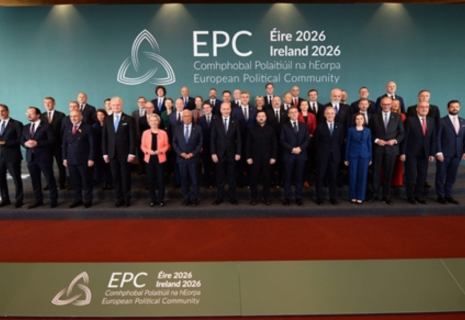
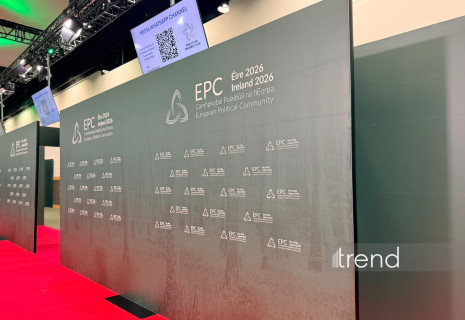
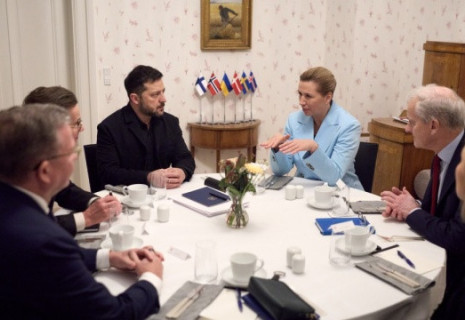
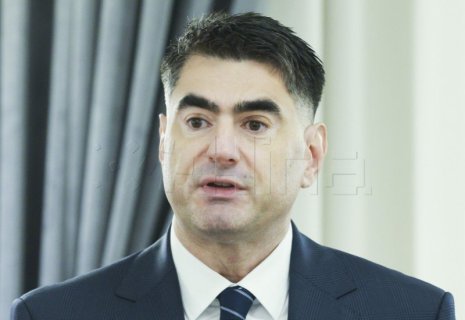
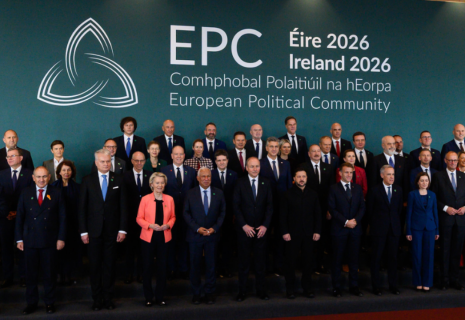
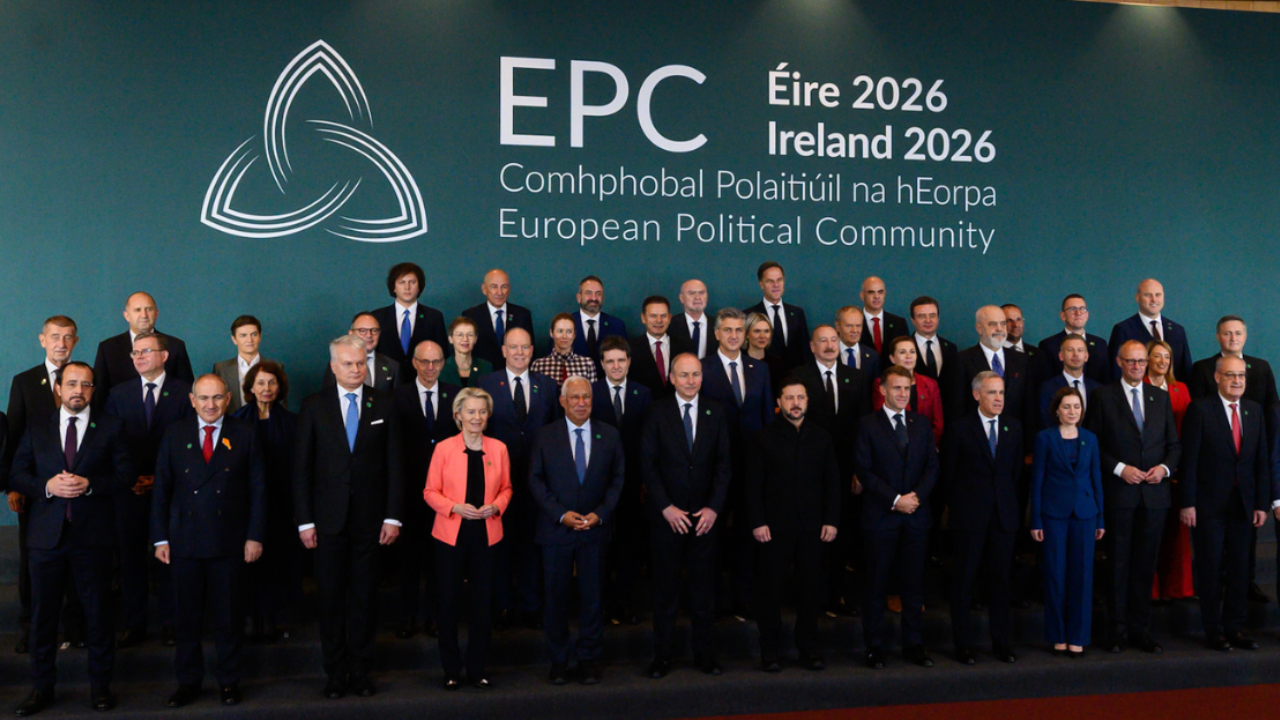
Prime Minister of Croatia Andrej Plenković is participating in the ninth European Political Community (EPC) summit and an informal meeting of the European Council in Dublin.
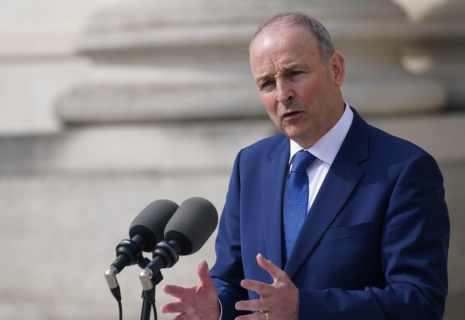
Speaking to the media ahead of the meeting, the Prime Minister said that discussions at the European Political Community Summit, a broader format bringing together leaders from across the continent, would focus on European competitiveness, strengthening democracy, and security challenges and threats, CE Report informs via the Croatian government website.
Ukrainian President Volodymyr Zelenskyy is also attending the summit. Plenković is also scheduled to meet with US negotiators Jared Kushner and Steve Witkoff, who are arriving in Dublin following a visit to Moscow.
At today's European Council meeting, discussions will focus on the impact of artificial intelligence on the European economy and development opportunities, as well as continued support for Ukraine, he announced.
In this context, he highlighted an issue that has emerged over the past few days following a suggestion by Italian Prime Minister Giorgia Meloni: who is authorised to negotiate on behalf of the European Union in the peace process?
The second issue concerning Ukraine relates to further financial assistance, given that Slovakia, Hungary, the Czech Republic and Bulgaria announced their intention to exercise an opt-out at the last European Council meeting.
Conditions Set for Montenegro Are Matters of Values, Not Bilateral Issues
Asked about the future course of Montenegro's EU accession negotiations in light of the conditions set by Croatia, the Prime Minister said that the Croatian side had been completely transparent on the matter, both during meetings at the European level and in bilateral discussions.
He recalled the eight conditions set by the Croatian Government, which concern Chapters 23 and 31 of the EU accession negotiations. Most of them fall within the competence of the executive branch, while two fall under the jurisdiction of judicial authorities.
One of the conditions concerns establishing the fate of 14 people who went missing during the Homeland War, he added, noting that this issue may also involve Belgrade.
"Believe me, if this concerned another member state, Montenegro would unfortunately face the same fate as some other countries in our wider neighbourhood that lost a decade of development because of bilateral issues," Plenković said.
The Croatian Prime Minister stressed that he did not consider any of the eight conditions impossible to resolve, adding that political will on Montenegro's part was crucial.
He dismissed suggestions that European partners were putting pressure on Croatia over these demands, emphasising that Croatia's approach had been constructive throughout the process, as demonstrated by its approval of the closure of certain negotiation chapters.
"This is not a matter of bilateral issues, but rather of values," he stressed, adding that he believed a common solution to these issues would be found soon.
Photo: Croatian government website