EPC summit: North Macedonian President highlights Western Balkans' role in European competitiveness
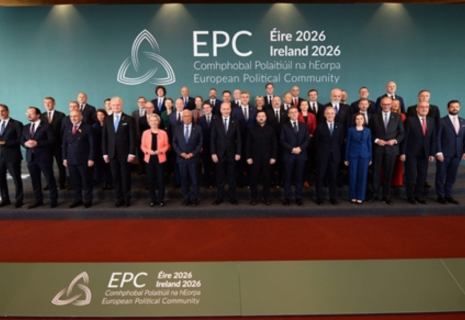
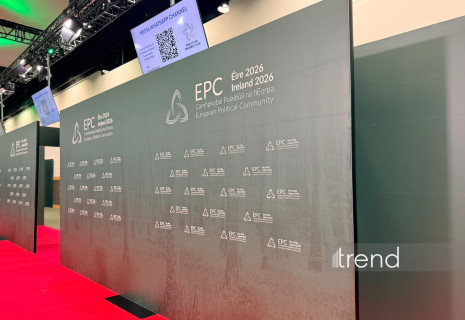
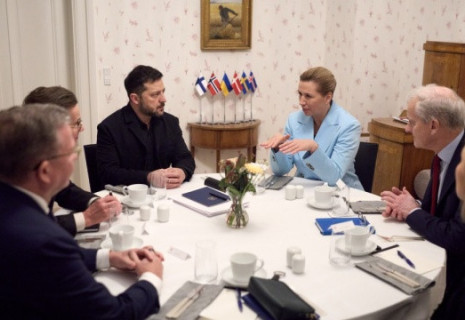
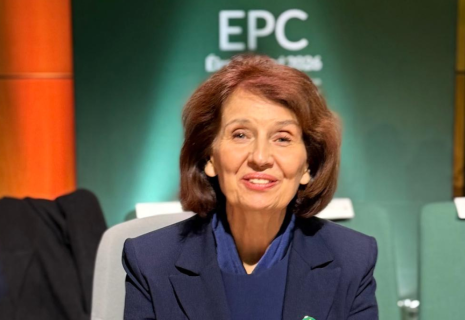
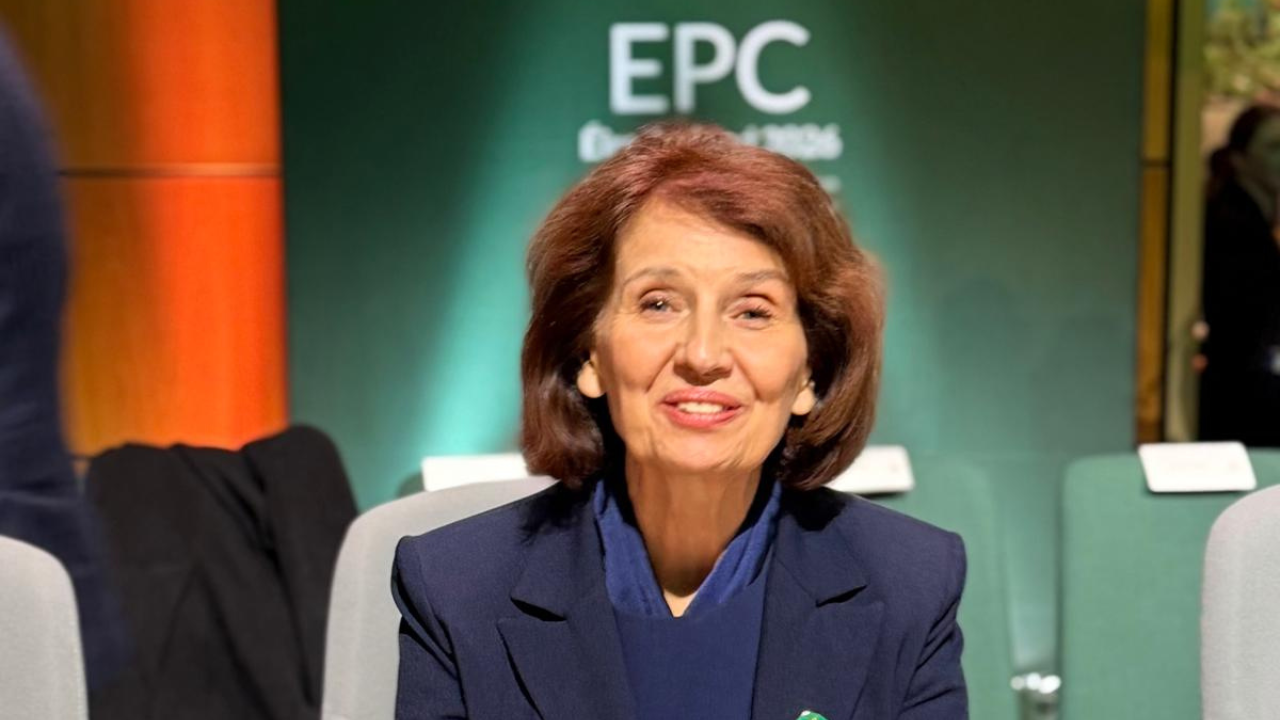
President of North Macedonia Gordana Siljanovska-Davkova participated in the European Political Community (EPC) Summit in Dublin, alongside 50 European heads of state and government.
The central theme of the summit was "Europe: Strong, Safe and Connected," CE Report informs via the Cabinet of the President of the Republic of North Macedonia's official website.
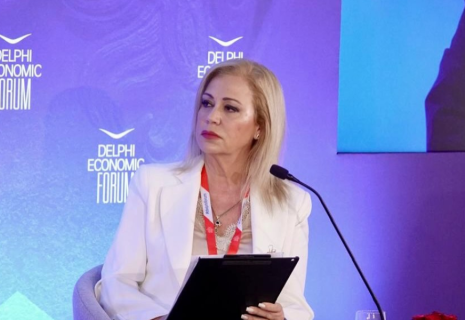
Siljanovska-Davkova addressed the panel discussion entitled "Building a Competitive Europe – Innovation, Connectivity and Affordable Energy", where she spoke about the links between European competitiveness, innovation, energy security and the integration of the Western Balkans.
In her address, the President stressed that Europe derives its strength from its ability to turn diversity into cooperation and cooperation into joint action, noting that this very ability is one of the keys to European competitiveness.
Today's competitiveness, Siljanovska-Davkova pointed out, cannot be reduced solely to capital, market size or labour costs. Instead, it increasingly depends on the capacity to connect knowledge, technology, infrastructure, energy and people, and turn these connections into innovation, productivity and sustainable growth. Connectivity, she emphasised, is not merely a geographical issue, but an economic necessity, a security imperative and a political decision.
Speaking about the Western Balkans, the President stressed that the region is not outside Europe, but is part of its history, infrastructure and security architecture. She described Europe and the Western Balkans as a "system of communicating vessels", in which developments in one part inevitably affect the other.
According to Siljanovska-Davkova, the question is not simply how the Western Balkans can become better connected to Europe, but whether Europe can afford to remain insufficiently connected to a region situated at the crossroads of its strategic routes, energy corridors, markets and human potential.
"Every delay in connectivity is a missed opportunity. Every postponed investment has economic consequences. And every political objective has a price that is paid not by institutions, but by citizens," the President said.
Energy security was also a key focus of her address. She noted that recent crises had demonstrated that economic dependence could, under certain circumstances, turn into strategic vulnerability. Therefore, energy security should not be understood solely as the reliability of supply, but also in terms of diversifying sources and routes, interconnecting systems, developing technological capabilities and maintaining the ability to make sovereign decisions.
The green transition, Siljanovska-Davkova stressed, should not be presented as a choice between sustainability and competitiveness, but rather as an opportunity to make sustainability a source of technological innovation, industrial renewal and economic resilience. In this context, innovation should be regarded as a strategic capability rather than merely an economic instrument.
Photo: Cabinet of the President of the Republic of North Macedonia