Real wages in North Macedonia rise 4.8% - EXCLUSIVE
Real wages in North Macedonia increased by 4.8% in August 2026 compared with the same month a year earlier, despite a 7.6% nominal increase in average monthly net wages, the country's State Statistical Office has told CE Report in an exclusive response to questions about recent wage developments.
According to the official figures, the average monthly net wage paid per employee reached MKD 48,733 in August 2026. For the period from January to August 2026, real wages increased by 3.7% compared with the corresponding period in 2025.
The difference between nominal and real wage growth reflects the impact of consumer price changes on employees' purchasing power. The State Statistical Office explained that its real wage index is calculated by comparing the nominal net wage index with the consumer price index.
Detailed consumer price data, including separate indicators for food, housing and energy, are available through the MAKSTAT database.
Nearly 20% of employees earn more than MKD 50,000
Data provided by the State Statistical Office also reveal a gradual increase in the proportion of employees earning more than MKD 50,000 net per month.
In October 2023, employees receiving net wages of MKD 50,001 or more accounted for 12.5% of the workforce covered by the relevant statistics. This share rose to 15.5% in October 2024 and reached 19.9% in October 2025.
This represents an increase of 7.4 percentage points over two years.
However, the statistical authority cautioned that the available data do not allow for an exact calculation of the proportion of employees earning less than the national average net wage of MKD 48,733 recorded in August 2026.
The reason is that the wage distribution statistics are presented in income brackets and have a different methodological scope from the monthly average wage indicators. The latest available figures on wage distribution refer to October 2025 and cover employees who worked between 160 and 200 paid hours during the reference month.
Water supply and waste management record strongest wage growth
Among economic sectors, water supply, sewerage, waste management and remediation activities recorded the strongest annual wage growth in August 2026.
According to the State Statistical Office, average monthly net wages in this sector increased by 11.9% compared with August 2025.
Administrative and support service activities followed with an increase of 10.7%, while manufacturing recorded annual growth of 9.0%.
The statistical authority confirmed these figures but said it does not provide assessments of the underlying causes of wage increases, including the impact of labour shortages, collective bargaining agreements, economic measures or changes in workforce composition.
Skopje wages remain above the national average
Regional differences also remain an important feature of North Macedonia's wage landscape.
According to the latest regional figures cited by the State Statistical Office, the average monthly net wage in the Skopje Region in 2024 was 12.8% higher than the national average.
However, several other regions recorded particularly strong wage growth that year compared with 2023.
The largest increases were registered in the Vardar Region, where average net wages rose by 13.8%, followed by the Northeastern Region with 13.2% and the Skopje Region with 12.3%.
The State Statistical Office informed CE Report that regional wage data for 2025 were expected to be published in November 2026. Their release will allow a more detailed comparison of regional wage disparities and an assessment of whether the gap between the capital and other parts of the country has widened or narrowed.
No official assessment of the relationship between wages and productivity
The State Statistical Office also clarified the availability of data on employment levels and working hours in sectors experiencing the fastest wage growth.
The MAKSTAT database contains information on the number of employees according to paid working-hour intervals, broken down by economic activity. The available figures cover October 2023, October 2024 and October 2025.
However, the authority stressed that these indicators are not directly comparable with monthly wage growth figures for August 2026, as they refer to different reference periods.
Furthermore, its regular statistical publications do not provide a separate analysis establishing the relationship between wage increases, employment levels, working hours and labour productivity across individual economic sectors.
The information supplied to CE Report provides an overview of wage developments in North Macedonia, highlighting the increase in real purchasing power, the growing share of higher-paid employees and persistent regional differences in average earnings.
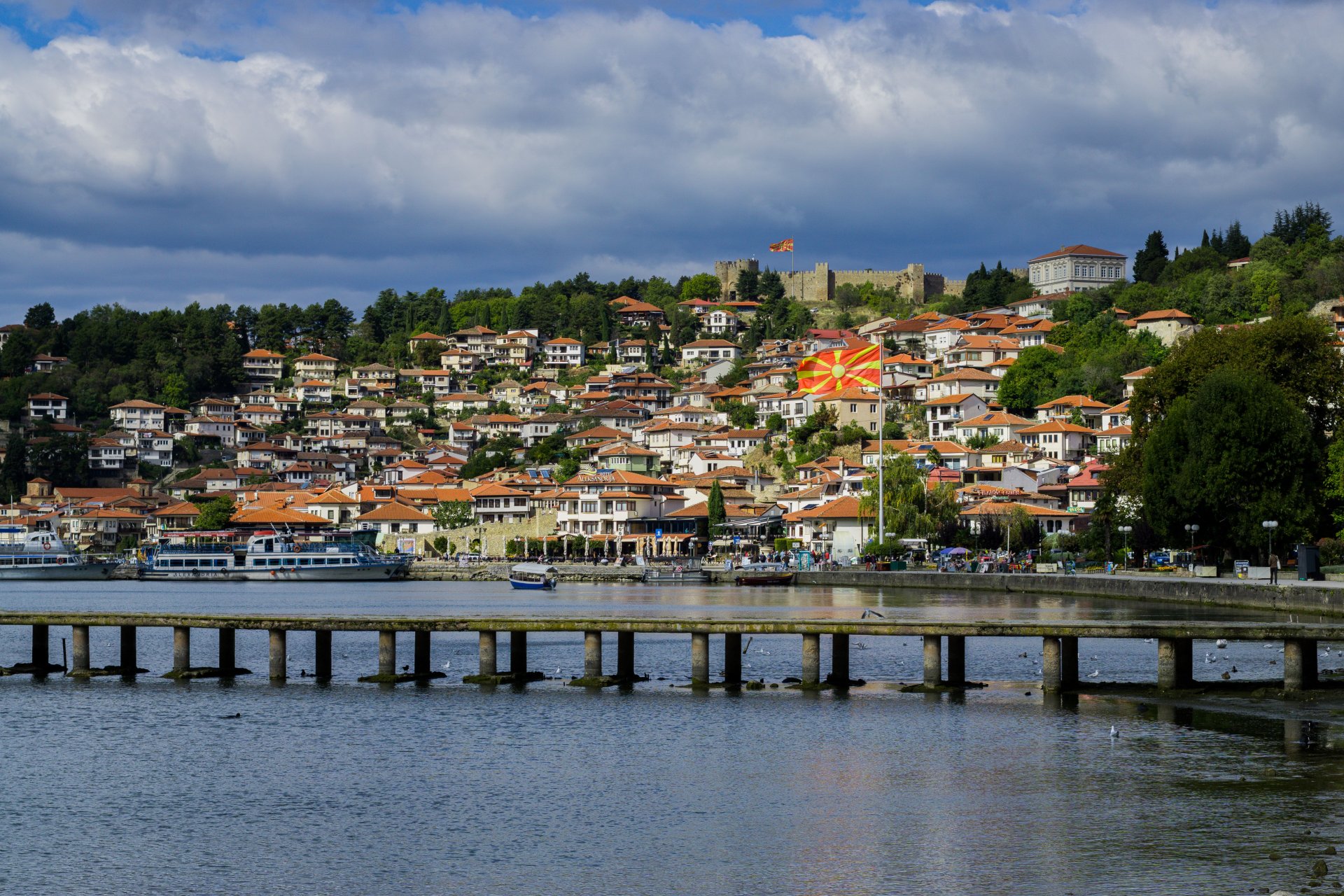
Photo: Pexels (Free Stock Photos)
Source: State Statistical Office of North Macedonia, in response to questions from CE Report. All figures are based on officially published statistical data.