Bosnia's Central Bank revises inflation outlook upwards
The Central Bank of Bosnia and Herzegovina (CBBiH) has revised its economic growth forecast for 2026 upwards, projecting real GDP growth of 2.3%, compared with its previous estimate of 1.9%, according to its latest autumn round of medium-term macroeconomic projections.
Despite the improved short-term outlook, economic growth is expected to remain moderate, gradually accelerating to 3.2% in 2027 and 3.5% in 2028, CE Report informs via the CBBiH's official website.
These projections are broadly in line with the forecasts published in the previous projection round.
Domestic demand is expected to remain one of the main drivers of economic growth, with private consumption projected to increase by 2.3% in 2026. However, despite rising nominal wages, elevated prices continue to constrain household purchasing power and limit the potential for stronger consumer spending.
At the same time, the Central Bank has revised its annual inflation forecast for 2026 upwards, from 4.7% to 5.1%.
Although short-term estimates published in September had suggested the possibility of slowing inflation, official statistics showed a significant intensification of inflationary pressures from September onwards, following an unexpected slowdown in June and July.
As a result, the latest medium-term inflation projections are closer to those presented in the spring forecast round than to the short-term estimates for the third quarter.
Inflationary pressures are expected to gradually ease over the medium term, with inflation projected to decline to 2.8% in 2027 and 2.3% in 2028.
However, the Central Bank warned that risks remain significant, particularly those associated with persistent underlying inflation and the possibility that earlier international price pressures could be passed on to the domestic market with a delay.
The outlook for the economy remains exposed to both external and domestic risks. External uncertainties are primarily linked to geopolitical developments, international energy and food prices, and the pace of economic recovery among Bosnia and Herzegovina's main trading partners.
Domestic risks include persistent inflationary pressures, uncertainty surrounding the pace of investment activity, and structural constraints related to the labour market and productivity.
The possible delayed transmission of previous international price shocks to the domestic market also represents an additional risk to the inflation outlook.
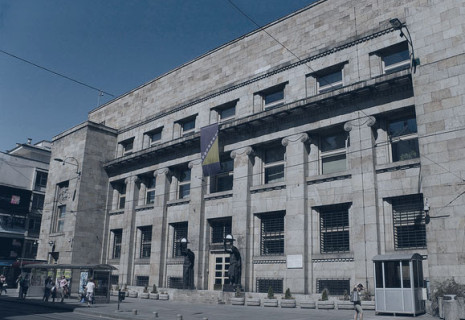
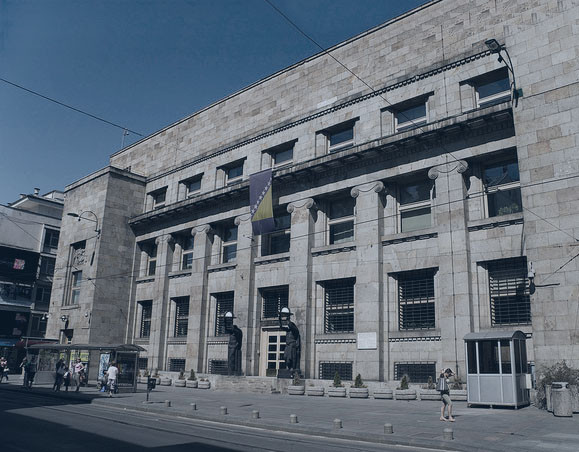
Photo CBBiH