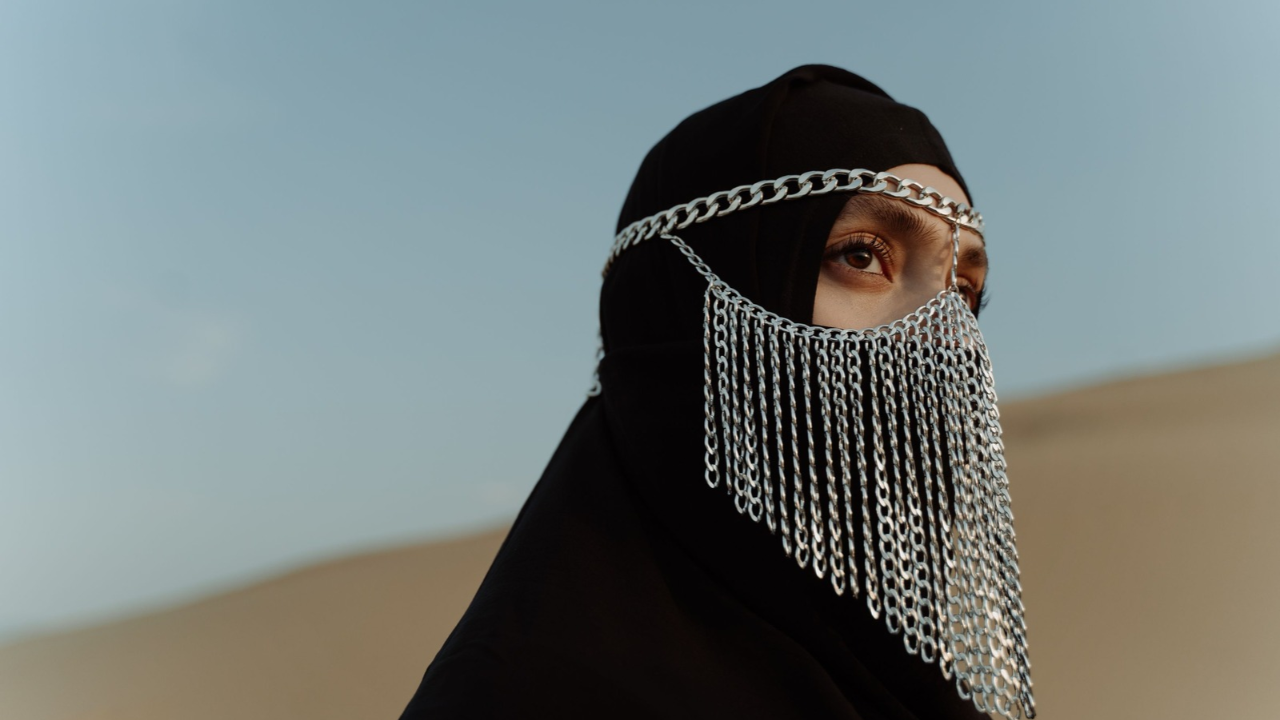
Slovenia proposes ban on face coverings in public spaces
The government of Slovenia has put forward a bill requiring people's faces be uncovered in public to the extent that facial features are recognizable.
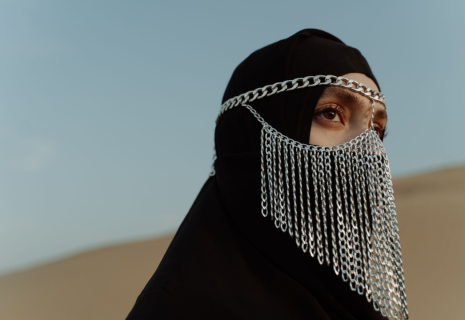
The move comes just weeks after senior government officials said a ban on Muslim full-face coverings was planned, CE Report quotes The Slovenia Times.
Amendments to the Protection of Public Order Act, which the government asked parliament pass by shortened procedure, make no mention of burqas, meaning the ban will apply to all forms of face coverings.
The government says the goal is to improve public order and make it easier for authorities to identify people.
Stiff fines are planned for non-compliance, ranging from €200 to €600, and rising to €1,500-5,000 if violence is involved, the Interior Ministry said.
There are exemptions for cases where face coverings are required for health or occupational reasons, or in connection with sports activities, artistic, cultural, or traditional events. Religious reasons are not among the grounds for exemption.
Uncertainty about possible referendum
It remains unclear what this means for a planned consultative referendum which would have voters weigh in on whether face coverings should be banned in public spaces.
A motion for consultative referendums on this and two other issues was tabled by the coalition and the Truth party in early October, and the vote was initially scheduled to take place alongside the 6 December referendum on a government omnibus bill.
To hold the vote on 6 December, the referendum would have to be confirmed at a National Assembly plenary by 6 November, but the item is not on the agenda of the ongoing session.
However, the government has endorsed the referendum motion, which means it is possible a referendum could still be held, albeit at a later date.
Ban seen as divisive
Slovenian Muslims, the majority of whom come from Bosnia and Herzegovina, where a moderate strand of Islam is practised, strongly condemned the move when government officials first floated the idea.
Their leaders were also quick to point out that few, if any, Muslims women in the country cover their faces, since this is not a formal religious requirement.
Similarly, the opposition and other critics argued the government was raising a virtually non-existing issue, and that such a referendum and ban was divisive, targeting one group of residents and stoking hatred.
With the ban now extending beyond Muslim face coverings, some activists have voiced concern about the potential criminalisation of protests.
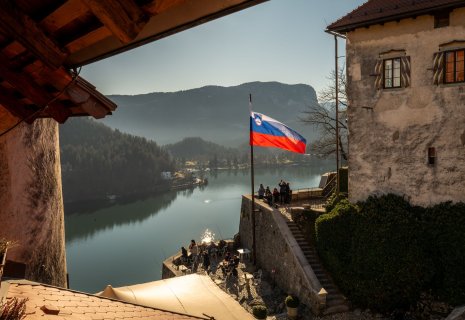
Photo: Pexels (Free Stock Photos)