Slovenia sets new condition for Serbia's EU accession
Prime Minister of Slovenia Janez Janša said that Slovenia would make its support for faster EU accession talks with Serbia conditional on Belgrade handing over records of former Yugoslav security services relating to Slovenia.
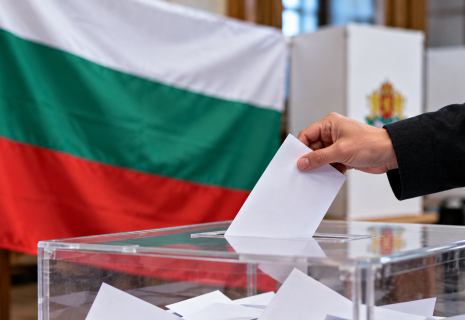
"We will welcome a potential decision by the new authorities in Serbia to accelerate negotiations for accession to the EU," Janša wrote on X on 26 October, a day after the Student List won an election in Serbia.
But Slovenia would "not consent to further progress" until Serbia handed over all archives of former Yugoslav security services relating to Slovenia, said Janša in his first statement on the outcome of the Serbian vote other than a brief comment of a repost on X, CE Report quotes The Slovenia Times.
The archives in question, according to Janša, relate to the Yugoslav secret police, known as UDBA, its successor, the State Security Service (SDV), the Yugoslav People's Army, and the federal interior ministry's security structures
Long-standing dispute over communist-era past
Janša's demand echoes his long--standing demands to more fully open the archives of communist Yugoslavia's secret police, many of which are either not accessible or have been destroyed.
His Democratic Party (SDS) has long campaigned for greater transparency about the former regime and its repression of political opponents.
The party's position is part of a broader political emphasis re-evaluating the communist period, including postwar killings, political persecution and the legacy of the former regime.
UDBA was the name for Yugoslavia's state security service, which operated under communist rule after World War Two. It monitored political opponents, dissidents and people considered threats to the one-party system, using surveillance and informants. Its successor, SDV, continued operating until the breakup of Yugoslavia.
Author raises allegations about EU commissioner
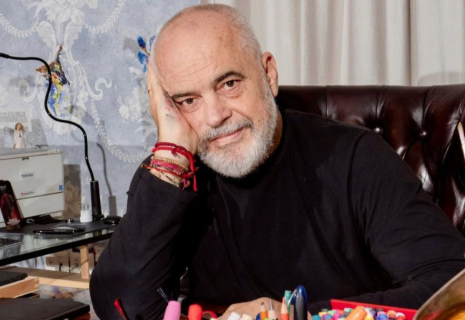
Janša also shared an X post by Slovenian author and researcher Igor Omerza, who called for the opening of archives held by the former federal and Serbian security services, as well as those of the Yugoslav military counter-intelligence service KOS.
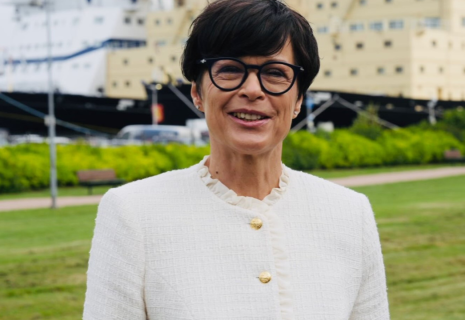
Omerza linked his appeal to a statement by European Commissioner for Enlargement Marta Kos, who said after Serbia's general election that the door to EU membership remained open to Serbia.
In his post, Omerza suggested that Kos would be uncomfortable with the archives being opened: he has written extensively about UDBA and has published a book titled The Commissioner in which he alleges that Kos was an informant and later a collaborator of the former Yugoslav secret police.
Kos, who had been quizzed by that in her commissioner hearing, has denied collaborating with UDBA and her name appearing in archival records does not automatically mean that she collaborated with the service.
Photo AI