Israel holds crucial election as Netanyahu faces opposition challenge
Israelis began voting on Tuesday, October 27, in the country's first parliamentary election since the Hamas-led attacks of October 7, 2023, in a closely contested race widely seen as a referendum on Prime Minister Benjamin Netanyahu's leadership.
The election comes amid deep political divisions, growing international criticism of Israel's military operations in Gaza and concerns over settlement expansion and violence in the occupied West Bank, according to AFP, CE Report quotes MOLDPRES.
The outcome is being closely watched internationally as Netanyahu faces questions over his handling of the conflict and renewed tensions with Iran, raising concerns about further instability across the Middle East.
Netanyahu and opposition locked in close contest
The latest opinion polls indicate a tight contest between Netanyahu's right-wing and far-right coalition and an opposition bloc whose leading figure is former military chief Gadi Eisenkot.
Neither camp has a clear path to securing the 61 seats needed for a majority in Israel's 120-member parliament, the Knesset, suggesting that coalition negotiations could prove difficult after the vote.
Polling stations opened at 7 a.m. local time (05:00 GMT) and are scheduled to close at 10 p.m. (20:00 GMT).
Major Israeli television networks are expected to release exit polls immediately after voting ends, while official results will be announced in the following days.
Approximately 7.3 million Israelis are eligible to vote, with high turnout anticipated because of the election's political significance.
Tens of thousands of Israelis living abroad have reportedly returned to the country to cast their ballots.
Israel's Arab minority, representing roughly 20% of the population, could also play an important role in the election, with concerns about discrimination and government policies influencing political participation.
Netanyahu campaigns on security record
Netanyahu, 77, has served as Israel's prime minister for approximately 19 years across several terms, making him the country's longest-serving leader.
Throughout the election campaign, he has sought to convince voters that he remains best positioned to guarantee Israel's security despite the failures that preceded the October 7 attacks.
The prime minister has highlighted Israeli military operations against Hamas in Gaza and Hezbollah in Lebanon as evidence of his government's efforts to weaken threats to the country.
He has also renewed warnings against Iran, promising to continue confronting what he describes as major security threats from Tehran.
Netanyahu's far-right coalition partners, including National Security Minister Itamar Ben-Gvir and Finance Minister Bezalel Smotrich, have advocated policies involving the removal of Palestinians from Gaza and the occupied West Bank.
These proposals have drawn strong international criticism and contributed to concerns about Israel's future relations with its regional and Western partners.
Opposition promises accountability and national unity
For Netanyahu's opponents, the election represents an opportunity to change Israel's political direction and address concerns about democratic institutions.
The prime minister remains on trial over corruption allegations, which he denies, while his government's efforts to change the judicial system have generated significant domestic opposition.
Eisenkot, a former chief of staff of the Israeli military, has adopted a more restrained campaign style, presenting himself as a candidate focused on stability, responsibility and national unity.
He has pledged to bring Israelis together after years of political polarization and the divisions intensified by the war.
The broader opposition includes former prime ministers Naftali Bennett and Yair Lapid, alongside veteran political figures Avigdor Lieberman and Yair Golan.
One of its central promises is to establish an independent commission of inquiry into the security and intelligence failures that allowed the October 7, 2023, attacks to occur.
The opposition has argued that a full investigation is necessary to establish accountability and restore public confidence in Israel's institutions.
Election could shape Israel's political future
The vote is taking place against the backdrop of prolonged regional conflict, strained diplomatic relations and growing domestic debates over security, democracy and the future of Israeli-Palestinian relations.
The two main political camps have presented the election as a defining moment for the country, although they differ sharply over the challenges Israel faces and the policies needed to address them.
Netanyahu's coalition has emphasized military strength and national security, while opposition leaders have focused on institutional accountability, political reform and rebuilding public trust.
Under Israel's proportional representation system, voters select party lists rather than individual candidates, and parties must receive at least 3.25% of the national vote to enter parliament.
The election results will determine the distribution of parliamentary seats, but the formation of a new government will depend on negotiations between political parties.
The possibility of a fragmented parliament means Israel could face an extended period of political uncertainty before a governing coalition is formed.
The October 27 election is expected to influence Israel's domestic political direction, relations with international partners and approach to ongoing regional conflicts.
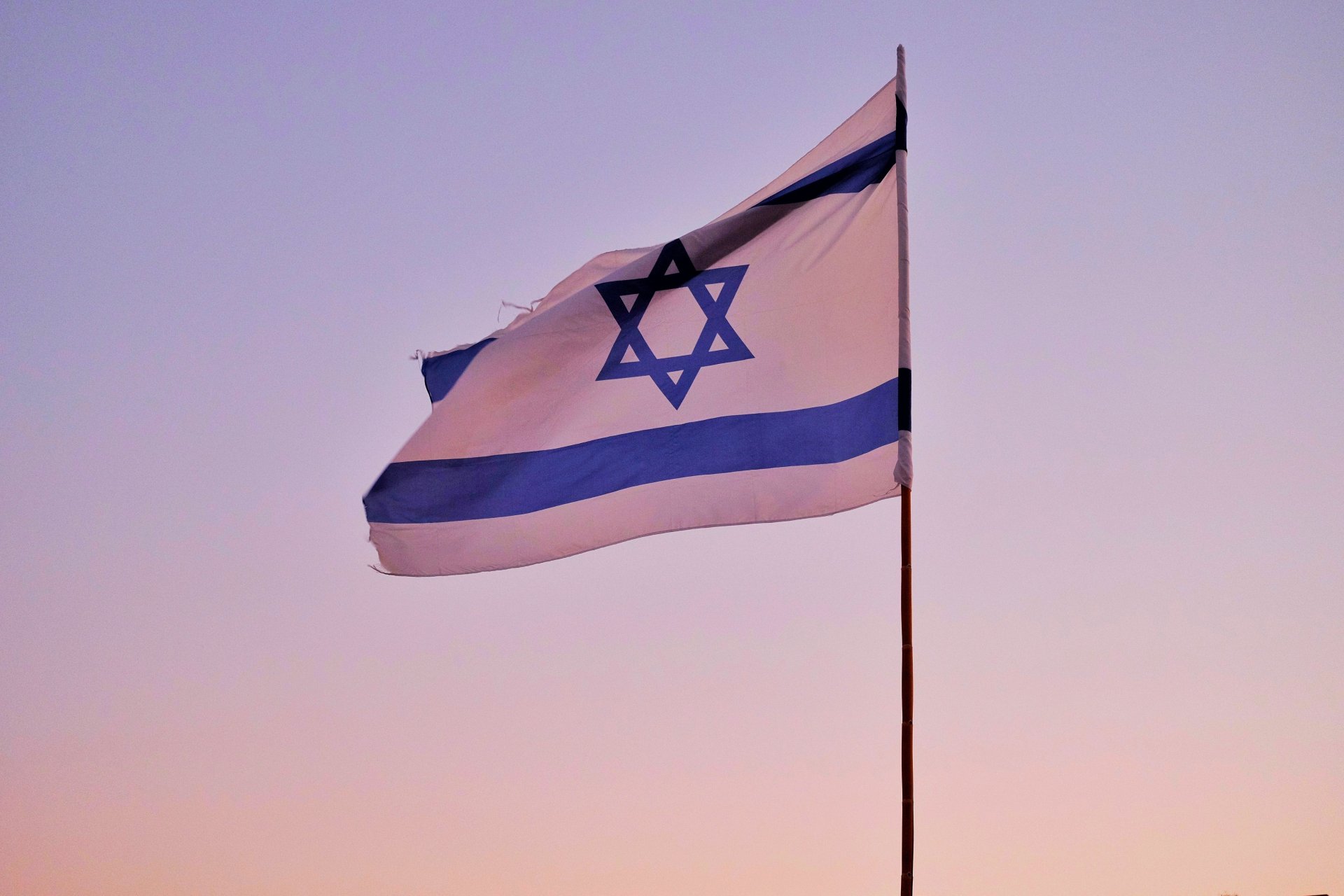
Photo: Pexels (Free Stock Photos)