Balkan countries tighten penalties for animal cruelty
The legal framework against animal cruelty in the Balkans has tightened considerably in recent years, with countries across the region gradually moving from relatively minor administrative fines towards prison sentences for acts of cruelty, including hitting and kicking animals.
In Bulgaria, the killing of a pet dog in Sofia's Krastova Vada borough on Sunday sparked widespread public outrage and protests after footage showing a man kicking a Yorkshire terrier circulated on social media. The 43-year-old suspect was detained and charged by the Sofia District Prosecution Office, CE Report quotes BTA.
Prosecutors said the act involved particular cruelty towards the animal. Pre-trial proceedings are underway for an offence punishable by two to eight years in prison.
In July 2025, Bulgarian lawmakers increased penalties for crimes against animals. The amendments provide for one to five years in prison and a fine of BGN 1,000 to BGN 5,000 (approximately EUR 511 to EUR 2,556) for cruelty resulting in the death, serious injury or permanent impairment of an animal. When the act is committed for the purpose of filming and distributing footage, or by two or more people, the penalty is two to eight years in prison and a fine of BGN 2,000 to BGN 10,000 (approximately EUR 1,023 to EUR 5,113).
More severe penalties apply when the offence is committed for financial gain, on the orders of or in implementation of a decision by an organization, group or organized crime group, or constitutes dangerous recidivism. In such cases, the punishment is three to ten years in prison and a fine of BGN 5,000 to BGN 20,000 (approximately EUR 2,556 to EUR 10,226). Particularly serious cases carry prison sentences of three to twelve years and fines ranging from BGN 10,000 to BGN 30,000 (approximately EUR 5,113 to EUR 15,339).
The following is an overview of the consequences and penalties for animal cruelty in Bulgaria's neighbouring countries.
Greece
Animal cruelty is severely punished in Greece, where legislation provides for both administrative fines and criminal liability. Under a 2021 animal protection law, killing or torturing an animal can carry a prison sentence of up to ten years, while the highest administrative fines range from EUR 30,000 to EUR 50,000 per animal and per offence. Other forms of animal abuse are punishable by fines of EUR 5,000 to EUR 15,000.
Greek police also have a dedicated animal protection unit, and citizens can report cases of abuse through a dedicated telephone hotline.
Recent cases illustrate how these provisions are enforced. On November 2, Greek police reported that a 40-year-old woman in Thessaloniki had been fined EUR 1,000 for leaving her dog unattended in a parked car for an extended period.
In August, a 63-year-old woman was arrested on the island of Zakynthos in connection with the killing of a cat and was fined EUR 30,000.
Romania
Animal cruelty is also a serious criminal offence under Romanian law. If a person acts aggressively towards an animal, for example by kicking a dog, and causes physical injury or severe suffering, the offence carries a prison sentence of two to seven years. Courts may also prohibit offenders from owning animals for a period of one to five years.
Even when an attack does not cause serious injuries but constitutes abuse or cruelty, it is still treated as an offence and may result in substantial fines amounting to thousands of Romanian lei, depending on the police assessment.
Romania also has a special animal protection police force. Its officers respond to reports submitted through the 112 emergency number and have the authority to remove animals from abusive owners on the spot. The costs of placing the animal in a shelter or veterinary clinic are covered by the state or recovered from the offender.
The authorities can also impose fines or refer cases to prosecutors for criminal proceedings.
Romanian legislation provides for an exception only in cases of self-defence, where an animal is injured or killed to protect against an immediate attack by that animal.
North Macedonia
A draft law on the protection and welfare of pets is being prepared in North Macedonia. The proposed changes provide for a EUR 400 fine for improper dog care, while fines for causing pain, suffering or injury, torture, cruel or inhumane treatment, and killing animals could reach EUR 5,000.
Pet owners who abandon their animals would be prohibited from keeping pets.
The draft legislation would also ban keeping dogs permanently chained or confined without allowing them to move freely at least once a day. It would regulate mandatory neutering of pet dogs and prohibit the sale or gifting of pets by unregistered breeders.
In 2025, a Skopje resident was sentenced to three months in prison for killing his dog, setting a precedent in the country's judicial practice.
Serbia
An April 2010 case involving a female dog whose four paws were brutally severed in Belgrade sparked mass protests by citizens and animal welfare organizations in the Serbian capital.
The dog, named Mila, was found beneath a parked car in Belgrade's Medakovic neighbourhood and survived thanks to round-the-clock veterinary care. She was subsequently adopted and became a national symbol of the fight against animal cruelty.
Mila lived to an advanced age before being euthanized in the autumn of 2022 due to cancer. Her case helped accelerate the enforcement and tightening of measures against animal cruelty in Serbia, where animal abuse had already been criminalized under the Criminal Code in 2006. The country's first dedicated Animal Welfare Act was adopted in 2009.
Following the attack on Mila in 2010, Serbian police established specialized investigative teams, prosecutors also took action, and public pressure led to demands for tougher prison sentences. The penalties were subsequently increased under the Criminal Code to two and three years.
Under Serbia's current Criminal Code, killing, injuring or torturing an animal is punishable by a fine or imprisonment of up to two years. In more serious cases, the maximum prison sentence rises to three years. Organizing animal fights carries a penalty of six months to three years in prison and a fine.
Where inhumane treatment does not constitute a criminal offence under the Criminal Code, such as negligence or poor living conditions that have not resulted in permanent injury or death, the Veterinary Inspectorate imposes administrative fines.
Fines range from RSD 5,000 to RSD 50,000 (approximately EUR 42–425) for individuals, RSD 50,000 to RSD 500,000 (approximately EUR 425–4,255) for entrepreneurs, and RSD 100,000 to RSD 1 million (approximately EUR 854–8,540) for legal entities.
Türkiye
Türkiye's Animal Protection Law provides for prison sentences for acts of violence, torture and abuse of animals. The law was adopted by the Grand National Assembly in 2004 and amended in 2021 and 2024.
The legislation provides for different penalties depending on the offence. Acts of harassment, violence and cruelty may carry prison sentences of three to six years. The intentional killing of a pet is punishable by six months to four years in prison.
The law also contains provisions on sexual assault and abuse of animals, with offenders facing prison sentences of six months to three years and fines.
Participation in organizing animal fights carries a penalty of three months to two years in prison and a fine.
Killing endangered animals or protected species is punishable by one to five years in prison. If the act is proven to have caused the extinction of a species, the sentence increases to five to ten years.
Penalties may be increased by half if the offender has previously committed a similar offence or works in a profession related to animal protection, such as veterinary medicine or an animal welfare organization.
The fine for abandoning an animal in Türkiye is TRY 60,000 (approximately EUR 1,066). In addition to the financial penalty, owners may be prohibited from keeping another animal or pet.
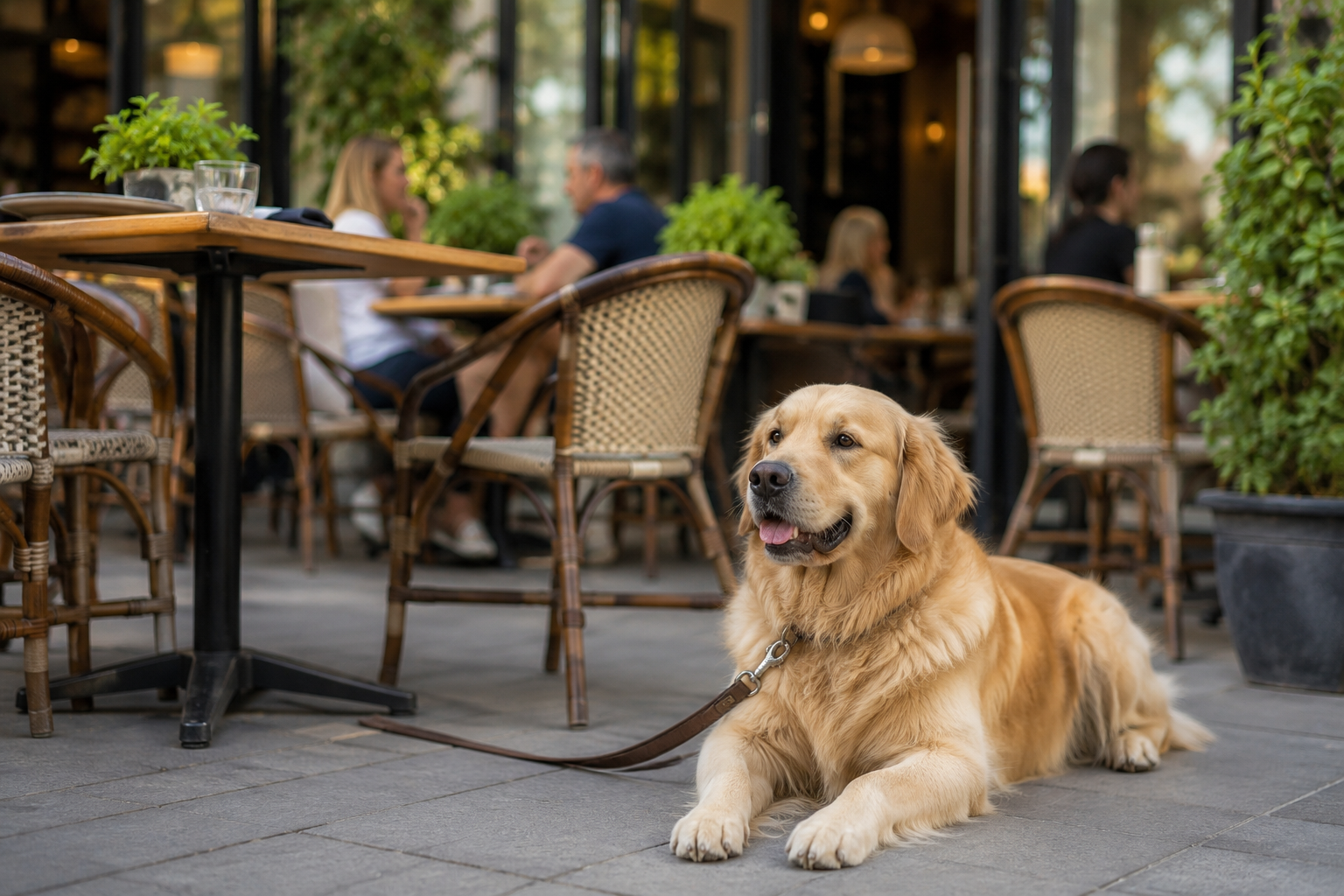
Photo: Chat GPT