Bosnia’s median salary falls far below cost of basic living, union warns
The median net salary in Bosnia and Herzegovina stands at around 1,350 KM, meaning that 50 percent of employees earn less than this amount, while the remaining 50 percent earn more, according to data from the Confederation of Independent Trade Unions of Bosnia and Herzegovina (SSS BiH).
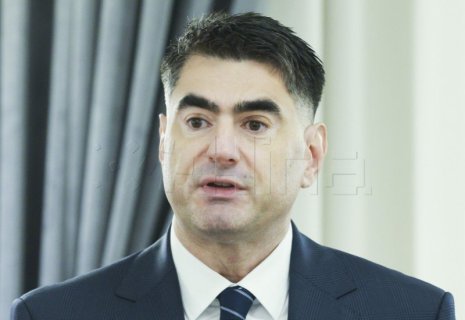
The president of the trade union, Samir Kurtović, emphasises that the median salary provides a more accurate picture of earnings and is “a more precise indicator of the economic and social position of workers in Bosnia and Herzegovina”.
He believes that the future authorities must use this figure as a basis for creating an environment in which the economic and social conditions of the population can improve significantly, CE Report quotes FENA.
Otherwise, he warns, Bosnia and Herzegovina risks further emigration of workers and their families, which would further worsen the country's demographic situation and weaken its overall economic system.
The average at-risk-of-poverty rate among employed people in the European Union stands at around 8.2 percent, while Slovenia, for example, has one of the lowest rates, at 5.4 percent. Official figures for Bosnia and Herzegovina have not been documented.
According to data for September 2026, the trade union consumer basket stands at 3,565.70 KM, a level that, the union believes, a large proportion of the country's population cannot afford.
“If we take into account the fact that more than 50 percent of workers in the Federation of Bosnia and Herzegovina earn up to the entity's average salary of 1,708.00 KM, it becomes clear that the majority of the population cannot afford even the most basic conditions for a dignified life. It should also be borne in mind that the trade union consumer basket does not include any luxury items, but only the most essential necessities of life,” Kurtović said.
He also pointed out that the trade union consumer basket does not include loan repayments, even though, as he noted, “there is hardly anyone who is not indebted in some way, and we are even witnessing people buying groceries in instalments”.
Photo: Pexels (Free Stock Photos)