Albanian Finance Minister outlines economic growth, debt reduction plans
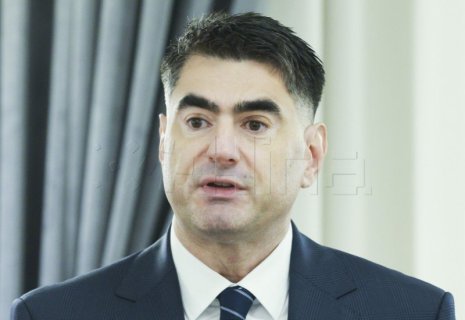
Albania’s economy is projected to grow by 4% in 2027, while public debt is expected to decline to 52.4% of gross domestic product, Finance Minister of Albania Petrit Malaj said.
He presented the government’s draft budget for next year, CE Report quotes ATA.
Presenting the draft law to the Conference of Chairpersons, Malaj said the economy grew by 3.6% year on year in the first half of 2026, supported by domestic demand, private consumption, investment and strong services exports, particularly tourism.
“Growth in the first half of 2026 was driven mainly by domestic demand, private consumption, investment and strong services exports, particularly tourism, which remains one of the main engines of our economy,” Malaj said.
Economic indicators in the third quarter point to continued steady growth, with business and consumer confidence improving and indicators remaining above historical averages, he said.
According to the Finance Minister, Albania’s economy is forecast to expand by 4.0% in real terms in 2026, in line with sustained economic activity and positive contributions from key sectors.
The unemployment rate stood at 8.3% in the second quarter of 2026, while labour force participation rose to 76.3%, reflecting an increase in employment opportunities and greater labour market participation, he said.
Foreign direct investment rose by 50.8% in the first half of the year to 1.1 billion euros, with investment increasingly directed towards higher value-added sectors, supporting growth, employment and productivity, Malaj said.
Inflation remains within the Bank of Albania’s 3% target, reflecting fluctuations in international commodity prices, the appreciation of the domestic currency and the effects of monetary and fiscal policies, he said.
Albania recorded a primary budget surplus of 0.3% of GDP in 2025, while public debt fell to 52.9% of GDP, its lowest level since 2008, Malaj said.
Standard & Poor’s reaffirmed Albania’s long-term sovereign credit rating at “BB” with a stable outlook, he added, citing the assessment as evidence of the resilience of the country’s financial policies.
The government plans to continue fiscal consolidation in 2027, targeting a budget deficit of 2.3% of GDP, a neutral primary balance and a further reduction in public debt to 52.4% of GDP, Malaj said.
“This means Albania is financing its development without putting stability at risk,” he said, adding that the government’s approach prioritised fiscal responsibility over populism.
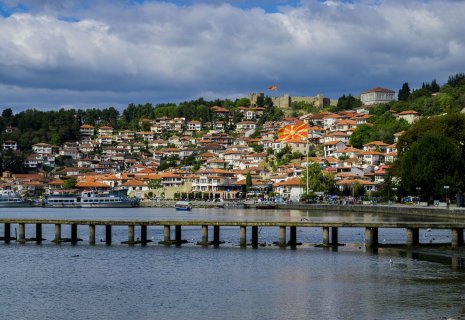
Photo: Pexels (Free Stock Photos)