White House defends Trump's remarks on Abdul El-Sayed - EXCLUSIVE
The White House has defended US President Donald Trump's controversial remarks about Michigan Democratic Senate candidate Abdul El-Sayed, saying the president will continue to confront individuals he considers extremists.
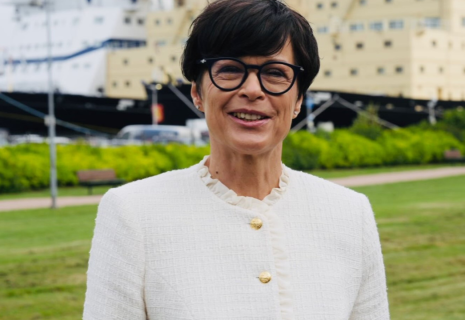
In an exclusive statement to CE Report, White House Assistant Press Secretary Olivia Wales said:
"President Trump is calling out the radical extremists stoking division and perpetuating violence. The President will continue to unapologetically fight for American greatness and call out the extremists who want only to divide and destroy."
The statement came in response to questions submitted by CE Report concerning Trump's allegations against El-Sayed, his references to the candidate's Muslim identity, and the potential implications of such rhetoric for religious freedom and political participation in the United States.
The White House response did not directly address the specific questions about evidence supporting the allegations, possible security implications, or whether the president's remarks concerning additional screening at the US Senate were intended literally.
The controversy intensified after Trump accused El-Sayed of extremism during a campaign rally in Michigan, where he also invoked the September 11, 2001 terrorist attacks while criticising the Democratic candidate.
El-Sayed, an American-born politician of Egyptian descent and former public health official, has rejected allegations linking him to extremist organisations, including the Muslim Brotherhood.
His Republican opponent, Mike Rogers, is competing for a Senate seat currently held by the Democrats in one of the closely watched races ahead of the November 3 midterm elections.
The president's comments have drawn criticism from Democratic figures and members of the Arab American community. Senator Bernie Sanders, who has campaigned alongside El-Sayed, accused Trump's supporters of using Islamophobia to divert attention from economic and social issues.
The dispute has also revived scrutiny of past statements and writings involving El-Sayed and members of his family concerning political developments in Egypt. El-Sayed has denied any affiliation with the Muslim Brotherhood.
With control of Congress potentially hinging on a small number of competitive Senate races, the contest in Michigan has become a focal point of broader debates over religion, political rhetoric and the boundaries of electoral campaigning.
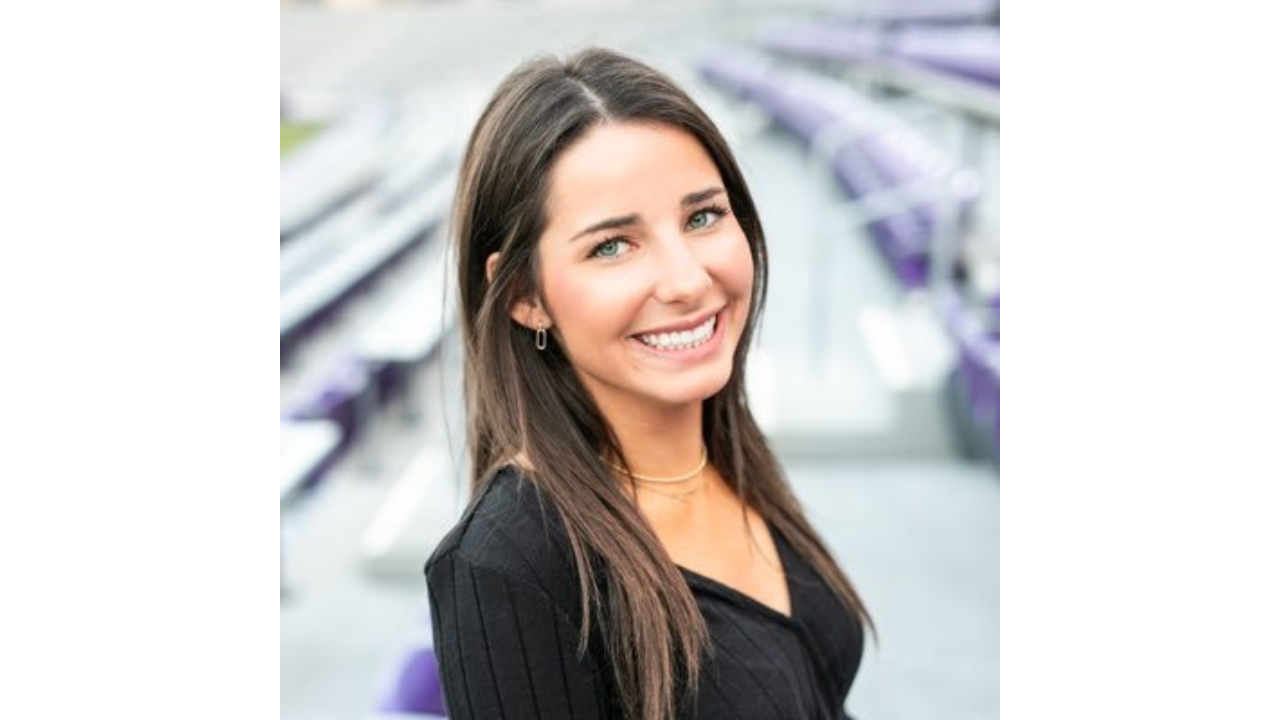
Photo: X/olivia_wales
This interview was prepared by Julian Müller