Kallas: Montenegro, Albania, Moldova, Ukraine frontrunners for EU membership
The European Commission on Thursday adopted its 2026 Enlargement Package, assessing progress made by the 10 countries seeking EU membership and outlining the next steps in their accession processes.
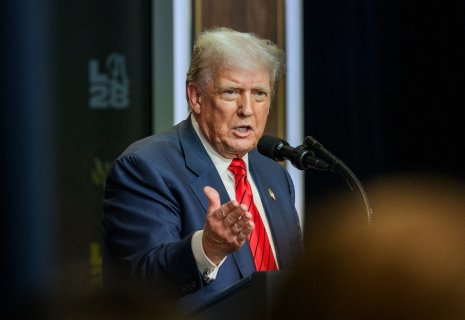
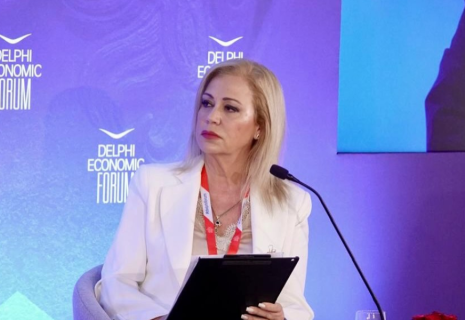
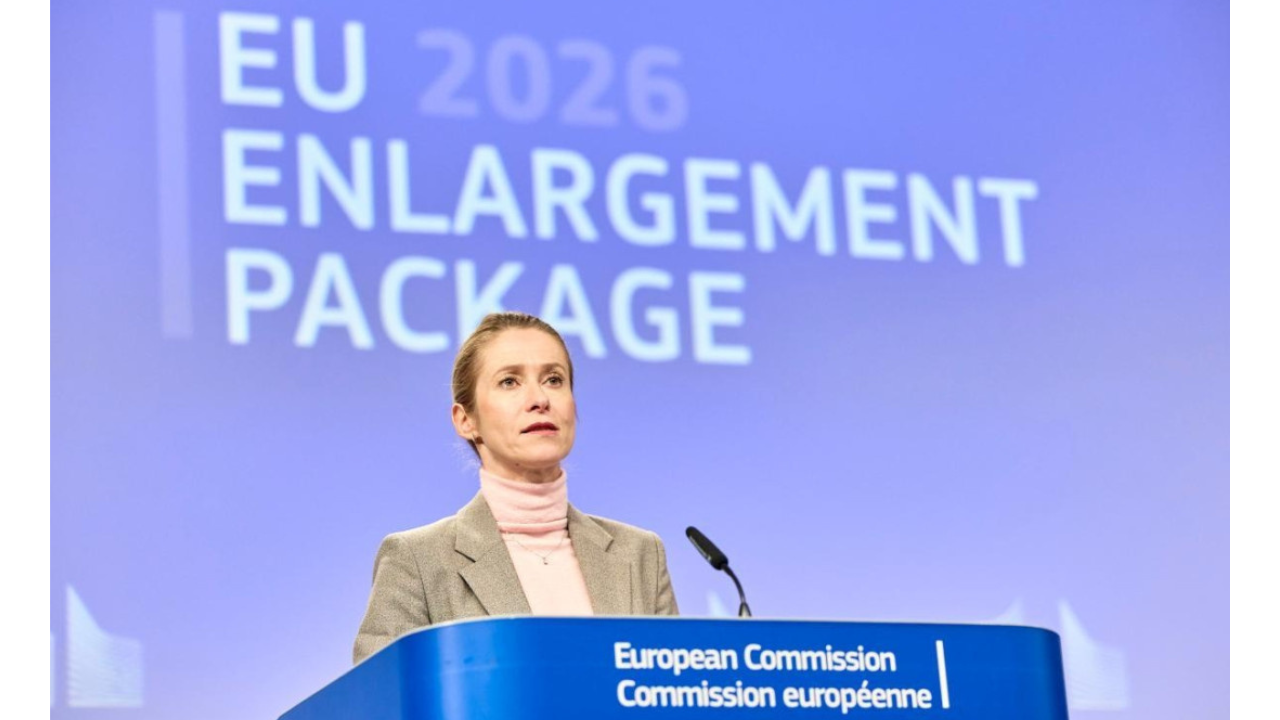
Presenting the report, EU High Representative for Foreign Affairs and Security Policy Kaja Kallas stressed that enlargement has become increasingly important for Europe's security amid Russia's war against Ukraine, rising geopolitical tensions and growing security threats, CE Report informs via the European Commission's official website.
"Good afternoon.
Today, the European Commission adopted the annual report on Enlargement, a scorecard of 10 accession countries.
Since last year's edition, Europe's security outlook has deteriorated sharply.
War, strategic competition, and economic uncertainty have increased. There is little hope for an immediate end to Russia's war of aggression in Ukraine. Gray zone attacks and sabotage against Europe are on the rise.
There is strength in numbers. A larger Union means also strengthening Europe's security, growing our geopolitical weight on the geopolitical arena, and also our ability to project influence. It means a larger market and new opportunities for our economies.
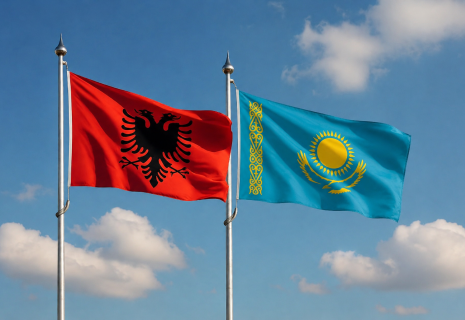
Today's report carries a clear message: reforms bring results. Membership is moving closer for countries that deliver. For the first time, we introduce roadmaps for accession negotiations with Montenegro, Albania, Moldova, and Ukraine.
These four countries are the frontrunners for membership. Commissioner Kos will take you through the country assessments in detail. But let me just make the most important points for European security: Montenegro is the closest to finish line, with a clear path in signing accession treaty by next summer. Albania has opened all negotiation clusters in just over a year. The task now is to sustain the pace by accelerating reforms. Moldova continues to advance despite unprecedented external pressure. Its commitment to reform and alignment with the European Union legislation has remained consistent. Ukraine is carrying sweeping reforms under Russian bombs, no candidate country has ever undertaken reforms of this scale while being at war, and this deserves recognition. Based on Ukraine's progress, we should move to open all negotiation clusters before the end of the year. For Bosnia and Herzegovina, Kosovo, North Macedonia, and Serbia, the outlook is uneven.
Türkiye remains a candidate country and a key partner, but the conditions that brought its accession to standstill remain.
Georgia has been on a collision course with the EU over democratic backsliding and fundamental rights, Georgia's accession remains de facto halted. Merit and reforms will continue to determine the pace of accession, as does adherence to the rule of law and fundamental rights.
I want to stress that the commitments made on the road to membership do not expire after accession.
This year's report brings the security dimension of the enlargement into sharper focus. For the first time, it includes a dedicated section for Security and Defence.
Over the past year, most candidate countries have increased and maintained high levels of alignment with the EU's Foreign and Security Policy, and this is an important expression of their strategic orientation and adherence to EU values. Many candidate countries already contribute to Europe's security. Ukraine is Europe's first line of defence against Russia. Kyiv's battlefield experience is second to none, and it is critical for Europe's security and defence readiness.
Moldova and our Western Balkans partners contribute to EU missions and operations. They help to protect our borders and counter foreign information manipulation. These contributions also strengthen our security. Already today, a larger Union can build on them tomorrow. For decades, enlargement has been the EU's most successful foreign policy.
Every round of enlargement has strengthened our continent. Today's geopolitical reality makes the next round even more urgent.
Where countries that progress are left waiting, instability takes root. Enlargement is direct investment in Europe's security," said in the statement.
Photo EEAS