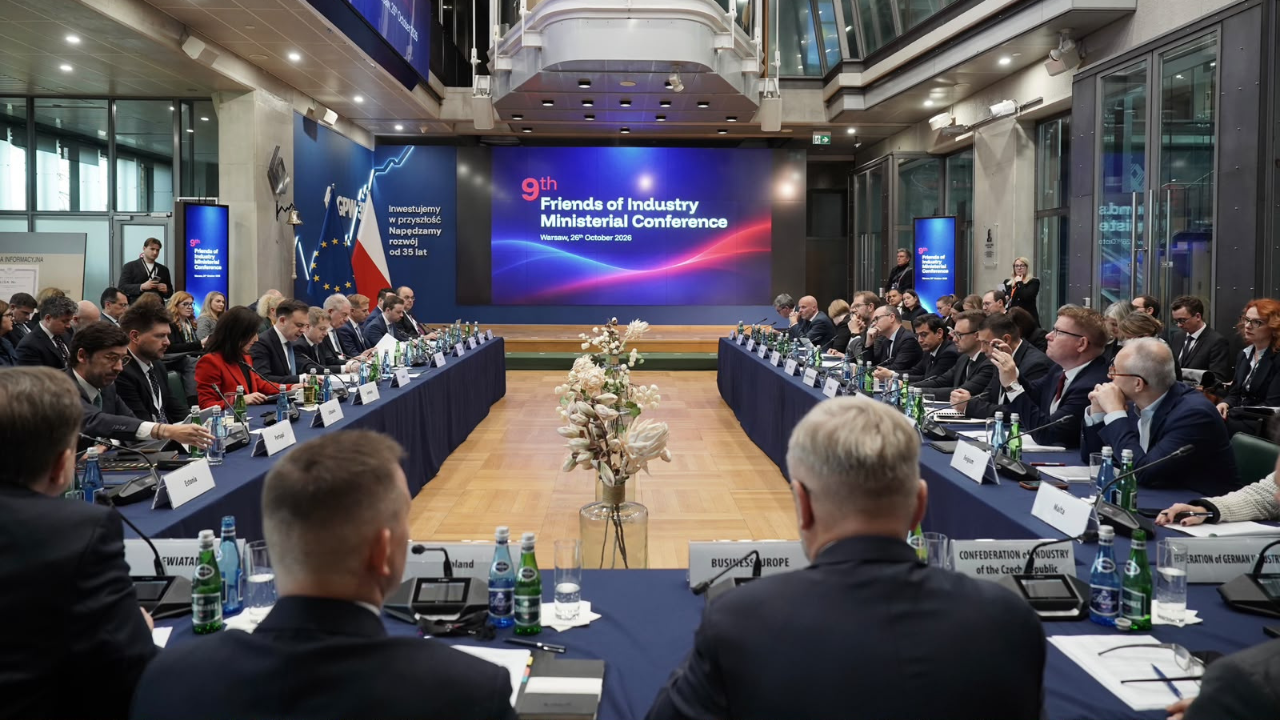
Polish Ministry explains Warsaw Declaration’s priorities for European industry - EXCLUSIVE
The Warsaw Declaration is intended to provide shared priorities endorsed by the 15 signatory Member States to be translated into concrete EU-level action. Rather than proposing a single legislative initiative, it identifies a set of interlinked priorities aimed at strengthening European industrial competitiveness, including embedding competitiveness in EU policymaking, completing the Single Market, reducing energy costs and strategic dependencies, strengthening trade defence instruments, supporting technological sovereignty and ensuring that decarbonisation is compatible with a strong industrial base. It is a call to the European Commission and the co-legislators, not a legislative proposal in itself.
This was said by the source at the Ministry of Economic Development and Technology of Poland in an exclusive interview with CE Report.
The Ministry noted that the goal is to build on the Declaration’s momentum and ensure that its recommendations are reflected in the relevant ongoing and forthcoming EU initiatives.
"Particular attention will be given to the effective implementation of the EU’s competitiveness and simplification agenda, the removal of barriers within the Single Market, measures to improve the availability and affordability of energy for industry, and the development of a more effective response to unfair trade practices and global industrial overcapacity," the Ministry added.
The source stressed that the Warsaw Declaration is primarily intended to send a clear political signal to the European Commission regarding the desired direction of EU industrial policy.
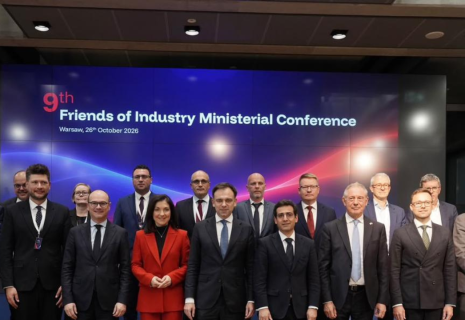
"Declarations adopted in the framework of the Friends of Industry meetings are neither agreed summaries of the discussions nor documents requiring the unanimous support of all participating countries. Rather, they reflect a common position of Member States choosing to advance a shared set of industrial policy priorities," the source explained.
The Ministry said that the Warsaw Declaration calls for a more coherent, pragmatic and proactive EU industrial policy aimed at strengthening Europe's industrial competitiveness and economic security.
"It emphasises the need to protect Europe's existing manufacturing base while creating favourable conditions for investment, innovation and the development of new industrial capacities. An important element of this approach is ensuring that decarbonisation does not lead to deindustrialisation, but goes hand in hand with maintaining a strong and competitive industrial base in Europe. The declaration also puts forward concrete proposals to address high energy costs, unfair global competition, technological dependencies and excessive regulatory burdens," the Ministry added.
The source acknowledged that individual Member States may share the overall objective of strengthening the competitiveness of European industry while differing in their assessment of the specific instruments and solutions needed to achieve it.
"The endorsement of the Warsaw Declaration by 15 EU Member States represents a significant expression of political support for these priorities and sends a clear message to the European Commission on the need to place industrial competitiveness at the heart of EU policymaking," the source concluded.
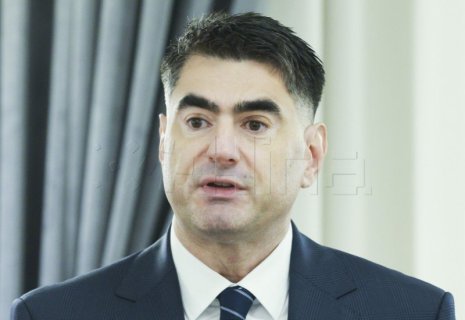
Photo: Ministry of Economic Development and Tecnology of the Republic of Poland
This interview was prepared by Julian Müller