Slovenia's Guardiaris, Türkiye's Otokar join forces on military simulator project
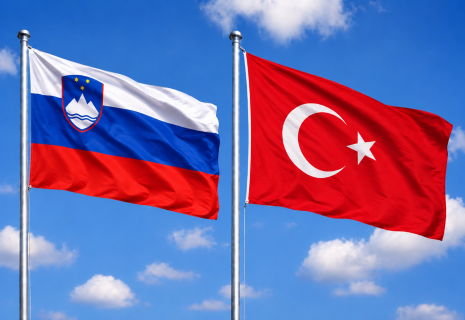
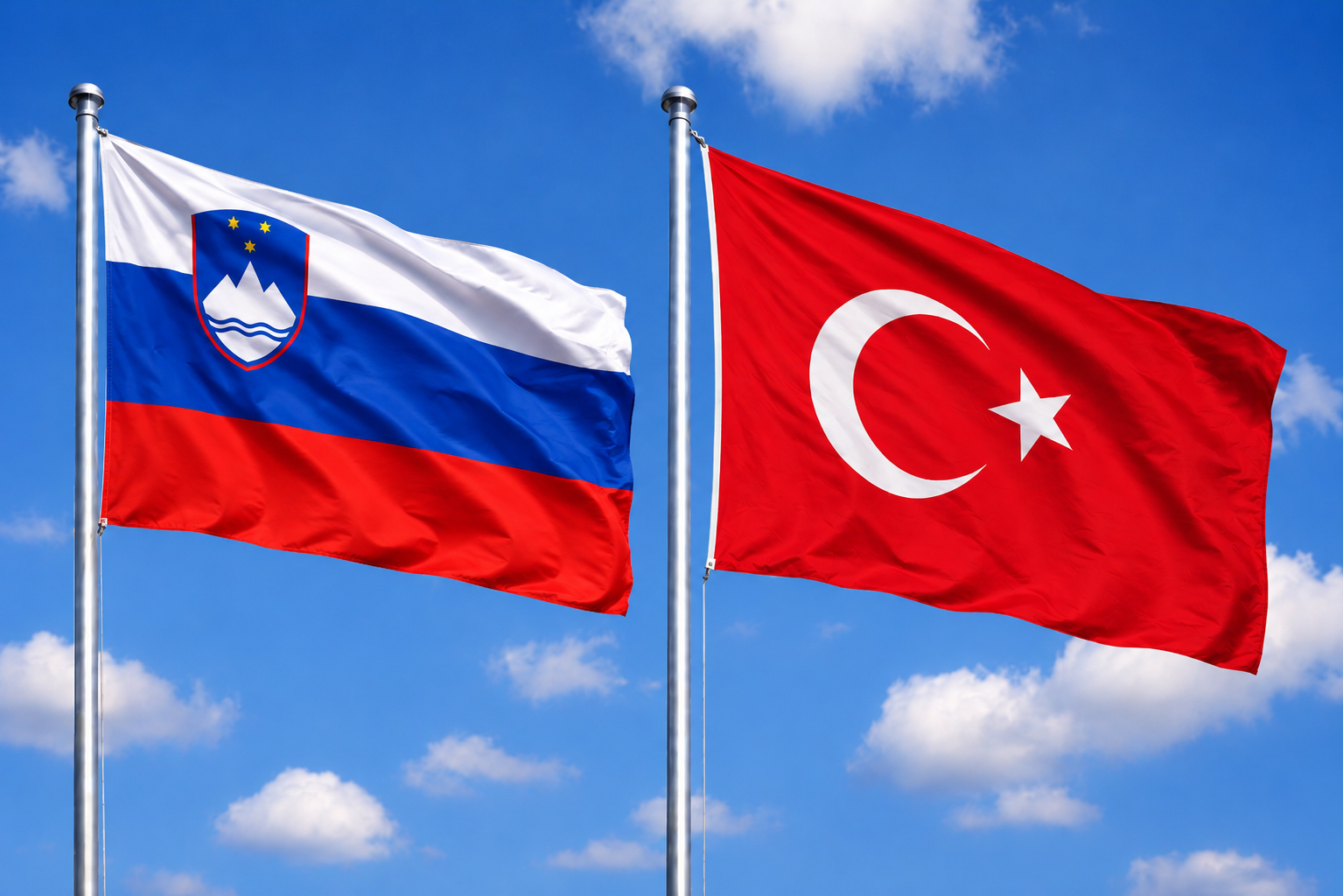
A Slovenian high-tech defence and simulation company and a Turkish bus and military vehicle manufacturer have signed an agreement at the SIDEC defence industry fair to develop an armoured vehicle simulator.
The simulator will be for the Cobra II, an armoured tactical vehicle designed and manufactured by the Turkish company Otokar, CE Report quotes The Slovenia Times.
Under the €3 million deal, Slovenia's Guardiaris will develop the system and provide operational training for Otokar. The agreement comes a year after the two companies entered into a strategic partnership to develop next-generation simulators for Otokar's military vehicles, enable knowledge exchange and cooperate in marketing.
Upgrade of cooperation agreement
Guardiaris CEO Primož Peterca told the Slovenian Press Agency (STA) that the latest joint project was an upgrade of the strategic cooperation agreement concluded last year. It merges the companies' expertise to deliver advanced tactical training solutions.
Otokar, a subsidiary of Koç Holding, Türkiye's largest industrial conglomerate, has been a major player in military and civilian vehicle production for decades. Meanwhile, Guardiaris was founded two decades ago, but it has since established itself as one of Europe's key players in advanced military simulation systems.
According to Peterca, his company has had multiple reasons to celebrate during the SIDEC fair. "In addition to signing the agreement with Otokar, we have also signed a contract with the Soldier to Soldier Association and unveiled our latest innovation, the GuardVerse platform for creating synthetic data, simulating, and testing autonomous systems in virtual environments."
The tool provides a safe verification of the navigation and responses of autonomous systems, he said. Notably, it allows developers to safely simulate extreme operational scenarios and critical situations that would otherwise be too dangerous, difficult or expensive to recreate physically.
Regarding the contract with the Soldier to Soldier Association, a support organisation dedicated to helping members of the Slovenian Armed Forces and their families during difficult times, Peterca said it formalised the company's backing of the military community and its humanitarian initiatives.
More agreements signed at defence fair
A total of three agreements were signed at SIDEC on 11 November. On top of the two Guardiaris deals, the Slovenian Defence Industry Cluster, the main organiser of the fair, signed a cooperation memorandum with Romania's defence industry cluster, Patromil.
Director of the Slovenian cluster Boštjan Skalar told the STA that the pact upgraded relations between the two clusters, opening up Slovenian-Romanian business opportunities and paving the way for joint bids in international projects.
The three-day SIDEC fair ended on 12 November after hosting a number of debates and presentations at the Celje fairgrounds. The topics that were discussed included adaptability based on operative experience from the war in Ukraine, energy resilience, unmanned aircraft systems and space capabilities.
A small pro-Palestinian rally was held on the sidelines of the fair on 10 November to protest the appearance of two Israeli companies at SIDEC, Rafael and Israel Aerospace Industries. The protesters said that according to an Amnesty International report, the two were contributing "to the illegal occupation, genocide and other international atrocities by Israel".
Ahead of the fair opening, five NGOs called on the organisers to disinvite these companies. The Defence Ministry, which helps organise SIDEC, responded that the fair was open to all registered applicants. "Slovenia respects international law, and Israel is not subject to international sanctions," State Secretary Erik Kopač said.
Photo AI