Turkish researchers develop unique AI-powered system
Turkish researchers are developing a new system that uses artificial intelligence-powered pollen analysis to identify the plants from which honey is produced and establish a national digital pollen bank in Türkiye.
The project, titled "AutoPol: Development of an Automated Pollen Identification and Flora Monitoring System", is being carried out in cooperation with Middle East Technical University (METU), Ankara University and Hacettepe University, with support from the Scientific and Technological Research Council of Türkiye (TÜBİTAK) under its 1001 Programme, CE Report quotes Anadolu Agency.
As part of the project, which also involves researchers from METU's Robotics and Artificial Intelligence Technologies Research and Application Centre (ROMER), collected pollen samples will be photographed using a microscope system equipped with automatic scanning and focusing capabilities and transferred to a digital database.
The system aims to analyse pollen found in honey samples to identify their botanical origins and verify claims about honey produced from specific plants.
Pollen analysis processes to be accelerated
The automated microscope system and image-processing technologies developed through the project are also expected to speed up and standardise pollen analysis, which currently requires specialists to examine individual pollen grains manually.
By analysing pollen samples collected from different locations, researchers also aim to gather data on regional vegetation. The resulting database is expected to contribute to scientific research on biodiversity and environmental changes.
"We will be able to determine the authenticity of honey much faster"
Dr Babür Erdem, a researcher at METU's Robotics and Artificial Intelligence Technologies Research and Application Centre (ROMER) and the project coordinator, told Anadolu Agency (AA) that the initiative was being carried out through cooperation between 3 universities.
Erdem noted that honey was the most valuable product obtained from bees and said Türkiye ranked third in the world in honey production.
He pointed out that adulterated and counterfeit honey could be found on the market, adding that pollen analysis was the most reliable method of detecting such fraud. However, he stressed that conducting these analyses required specialists to spend considerable time examining samples.
"We aim to incorporate artificial intelligence into this process to automatically identify the pollen in honey samples placed under a microscope. By combining mechanical systems and artificial intelligence, we will place our samples under the microscope. The AI will automatically scan the samples and provide documentation identifying the types and quantities of pollen they contain. As a result, we will be able to determine the authenticity of honey much faster," Erdem said.
"Creating a national digital pollen database is one of the project's objectives"
Erdem said that a pollen bank would also be established as the samples were scanned. It will consist of both microscope slides containing actual pollen samples and a digital database of pollen images.
"Creating a national digital pollen database is also one of the objectives of this project. Our initiative is the first of its kind in Türkiye," he said.
Erdem noted that similar projects had been carried out in other parts of the world, but Türkiye did not yet have a pollen database.
He added that in a later stage, the project could also contribute to collecting airborne pollen, helping identify the botanical origins of honey, developing measures against various allergens and assessing air quality.
Highlighting the project's importance in combating honey fraud, Erdem said that government agencies and private laboratories could use the system to examine honey samples more efficiently.
Previously, laboratories had to employ specialists to conduct detailed pollen analyses. Under the new system, users would only need to take a honey sample, isolate its pollen and place it under the microscope, after which the process would be carried out automatically.
"This eliminates the need for a specialist and the hours they would otherwise spend conducting the analysis. We will be able to obtain results much faster and with greater accuracy, making it possible to determine whether honey is genuine or counterfeit," Erdem said.
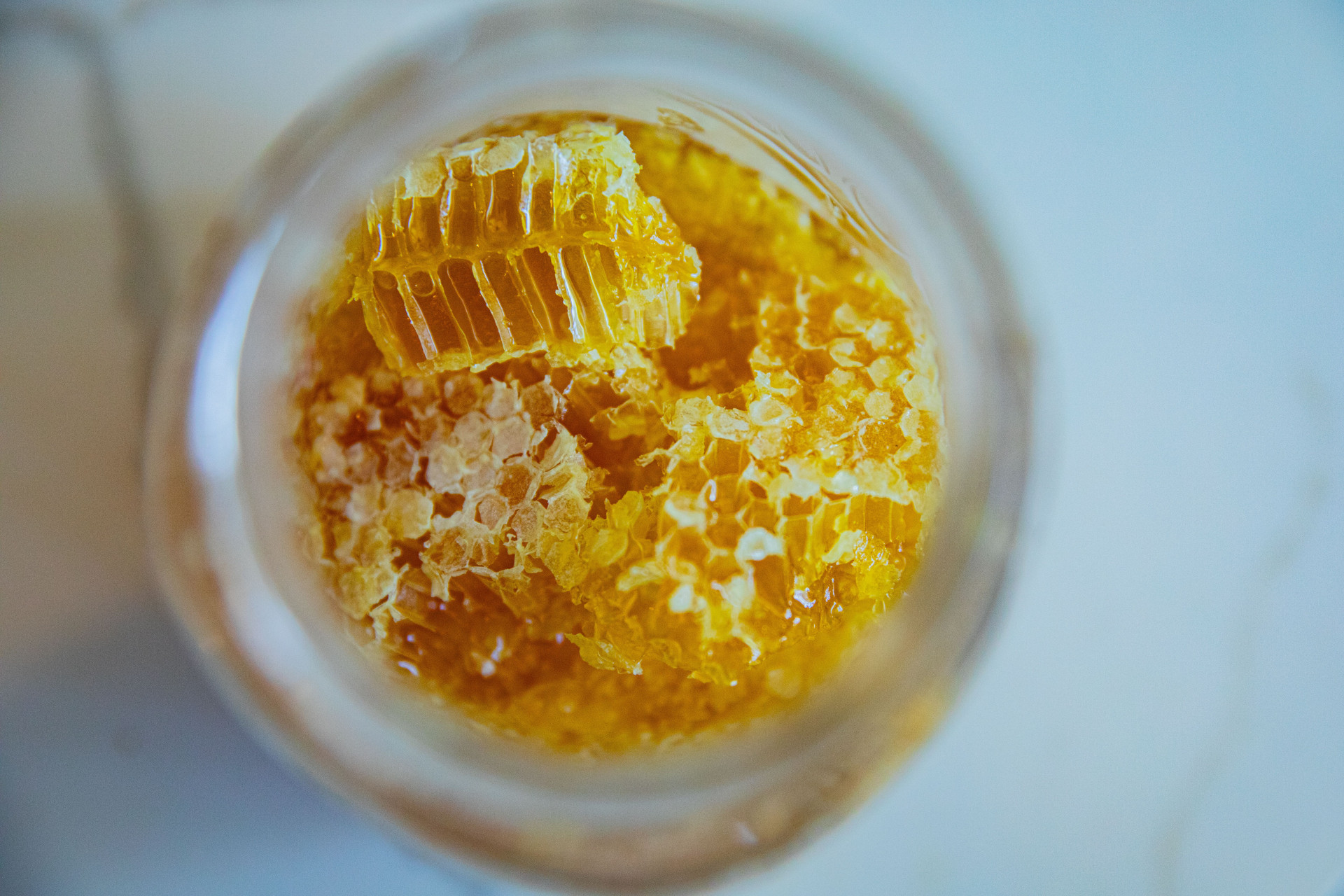
Photo: Pexels (Free Stock Photos)