Slovenian-made drones bring essential medical supplies to remote Madagascar
As drones increasingly make headlines for their military applications, aircraft developed by Slovenian company ElevonX are serving a very different purpose in Madagascar: delivering medicines, vaccines and other essential medical supplies to remote communities, cutting delivery times from days to hours.
The company has been working with the United Nations Population Fund (UNFPA) since 2024 and as part of this cooperation a system of medical packages delivery has been set up in Madagascar, CE Report quotes The Slovenia Times.
ElevonX's specialized cargo version of its flagship drone has a system for precise parachute-assisted delivery of packages. It uses the Starlink system for navigation, which is crucial given that the drones operate in mountainous terrain and deep valleys, where ground-based communications is limited, the company told the Slovenian Press Agency.
The drones are used to transport urgent medical and humanitarian supplies, including medicines, vaccines, emergency medical kits, and sexual and reproductive health materials. More than 800 flights have been completed to date, and approximately 100,000 kilometres covered to transport 2.5 tons of essential supplies.
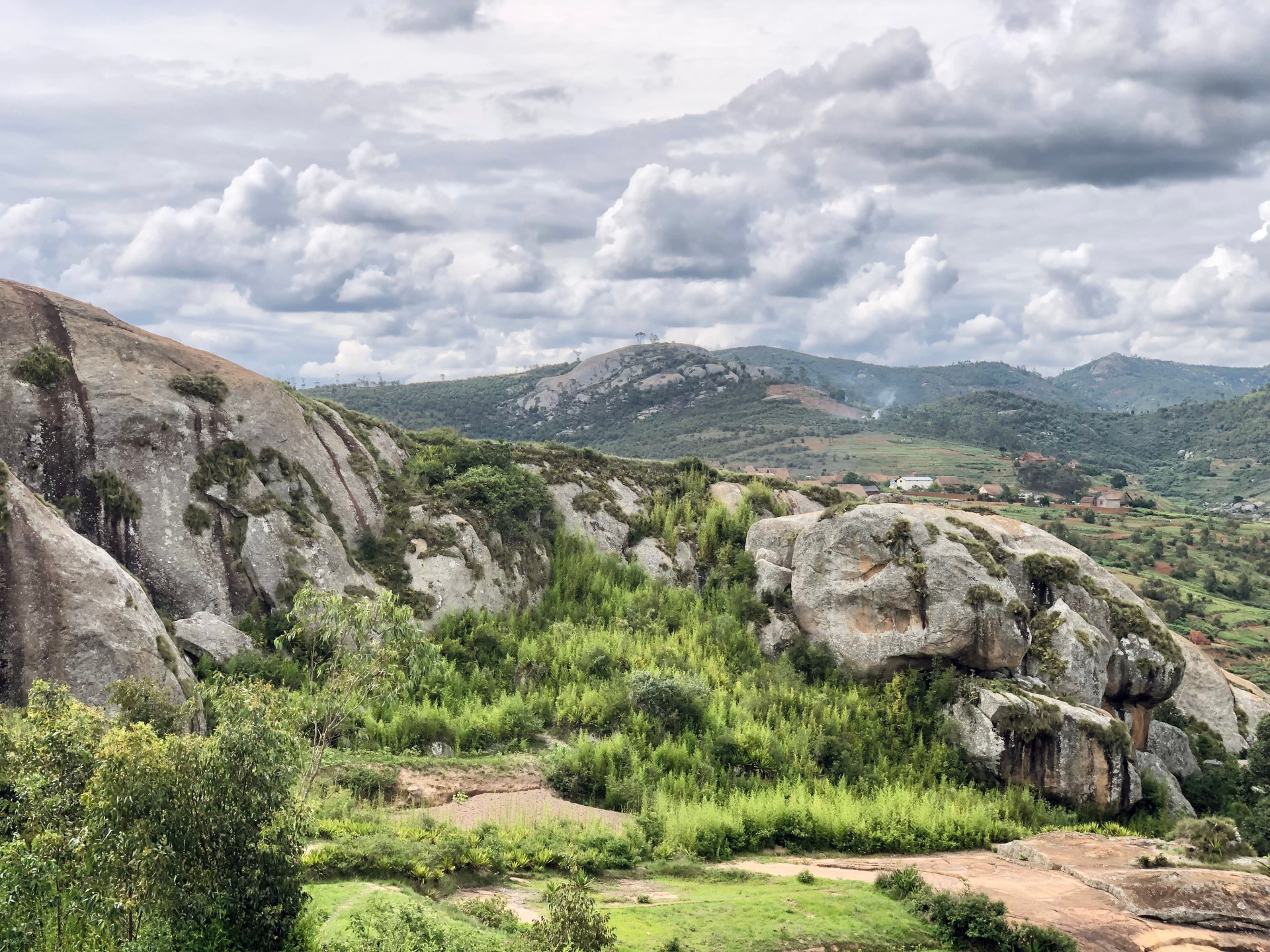
In some remote areas of Madagascar road transport can take up to two days due to poor infrastructure, mountainous terrain, and weather conditions, while a drone can deliver a shipment to a healthcare facility in less than two hours.
In the case of medicines, vaccines, or emergency medical equipment, such time savings are not merely a logistical improvement, but can directly influence treatment outcomes and even save lives, the company says.
Advanced technology only truly comes into its own right when it solves real-world problems, ElevonX says.
"In the public eye, drones are often associated primarily with surveillance or military use. The project in Madagascar reveals another side: they can deliver medical supplies, overcome geographical barriers, and connect remote communities to healthcare."
The drone is capable of vertical take-off and landing, while it can also fly like a conventional aircraft, thus combining the ability to operate in locations without a runway with the efficiency required for long-distance flight.
It can carry cargo of up to five kilograms and reach locations approximately 125 kilometres away. Upon arrival, the package is safely parachuted into a designated area, whereupon the aircraft returns to its base.
However, development does not end there. Software, communication solutions, individual electronic components, and operational procedures are continuously monitored and upgraded based on the feedback of the pilots who use the system daily, the company says.
Currently, the company's has three unmanned systems in Madagascar. They are operated by local pilots working for the UNFPA project who have received specialised training, so there is no need to rely on pilots from Slovenia.
Local pilots can also perform basic inspections and routine maintenance themselves, while for more complex issues, the company provides remote technical support, sends an on-site team, or arranges a repair in Slovenia.
While the cost of the basic package is comparable to that of a premium car, the company emphasizes that the aircraft represent only one part of the overall system.
Depending on the intended use, they are equipped with cameras, sensors, communication systems, and other specialized equipment, which is often the most technologically complex component, so it can even exceed the value of the aircraft itself.
Photo: Pexels (Free Stock Photos)