Serbia challenges ‘Sarajevo Safari’ resolution at Council of Europe
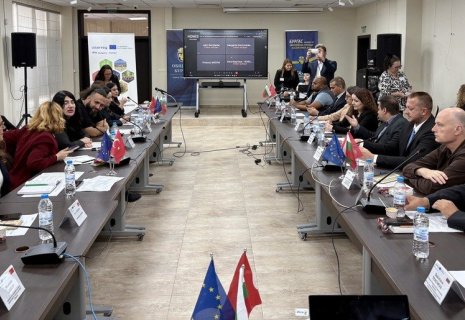
A decision on accepting and considering a proposed resolution on the topic of “Sarajevo Safari” has been postponed until December following a heated debate at a meeting of the Committee on Legal Affairs and Human Rights of the Parliamentary Assembly of the Council of Europe.
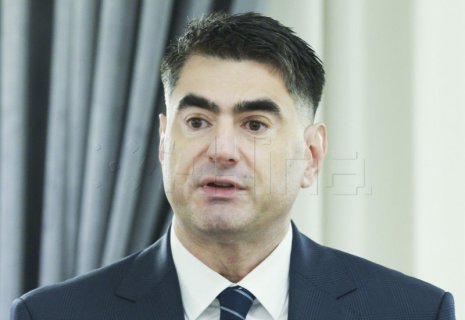
Aleksandar Mirković, a member of the committee and a member of Serbia’s parliamentary delegation, challenged the proposal, arguing that the information in question had already been dismissed by judicial authorities in some European countries, while influential European media outlets had disputed the claims, CE Report quotes FENA.
Following a heated debate among members, Committee Chair Eerik-Niiles Kross proposed postponing the final decision until the next meeting, which will be held in December. The proposal was ultimately accepted, according to a statement issued by the Serbian parliament.
The “Sarajevo Safari” case refers to an investigation previously launched by Italian prosecutors based on allegations that several people from Italy paid to be taken to positions held by the Bosnian Serb army, which besieged Sarajevo during the 1992–1995 war in Bosnia and Herzegovina, and to shoot at civilians from those positions.
There are indications that citizens of other European countries may also have been involved, prompting judicial authorities in Austria, Switzerland and Belgium to become involved in the investigation.
Some European media outlets have linked outgoing Serbian President Aleksandar Vučić to expeditions in which wealthy foreign tourists allegedly shot at people with sniper rifles during the siege of Sarajevo. Vučić denied the allegations and threatened to sue media outlets that linked him to the scandal.
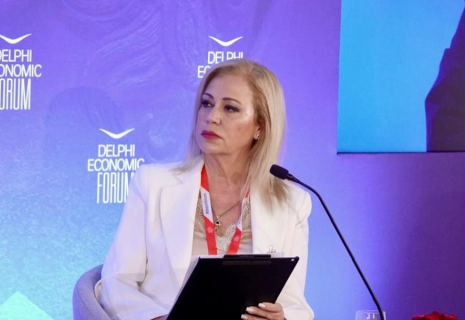
During the meeting, Biljana Pantić Pilja, head of Serbia’s Permanent Delegation to the Parliamentary Assembly of the Council of Europe, raised concerns about the political crisis in Kosovo, which could soon face new elections. She said this demonstrated the depth of political instability and the institutional crisis in Europe’s youngest state.
She also warned about what she described as threats to the security of Serbs in Kosovo and violations of their basic rights, and noted that the Association of Serb Municipalities has still not been established, despite being a key obligation under the Brussels Agreement.
The autumn session of the Parliamentary Assembly of the Council of Europe in Strasbourg is taking place from September 28 to October 2, 2026. Lawmakers are discussing reforms of the organisation, the role of diasporas and migrants in achieving social cohesion, climate change, artificial intelligence, family policy, and threats to media pluralism and media independence.
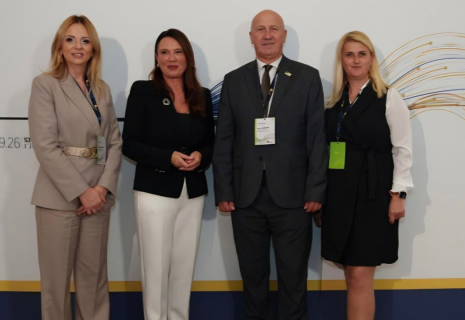
Photo Facebook/eusrbija