Montenegro boosts breast disease diagnostics with IAEA support
Montenegro is continuing its successful cooperation with the International Atomic Energy Agency (IAEA) to improve the country’s healthcare system, particularly in the fields of radiotherapy, diagnostic radiology, nuclear medicine and the early detection of malignant diseases.
As a result of this cooperation, the Clinical Center of Montenegro (KCCG) has received a modern mobile digital mammography biopsy chair, which will further enhance its breast disease diagnostic capacities, CE Report informs via the Montenegrin government website.
Prof. Dr Anđela Jakšić-Stojanović, Minister of Education, Science and Innovation, said the donation represents another concrete result of successful cooperation between the Ministry of Education, Science and Innovation, the Clinical Center of Montenegro and the IAEA.
“The donation of a modern biopsy chair represents an important step towards improving the Clinical Center’s diagnostic capacities. This equipment will enable our doctors and medical staff to perform complex procedures more precisely, efficiently and comfortably, while providing patients with a higher level of healthcare and greater comfort during the most sensitive stages of diagnosis and treatment,” Jakšić-Stojanović said.
The minister stressed that the ministry would continue to strengthen its partnership with the IAEA through technical cooperation projects, noting that a modern healthcare system requires not only quality equipment but also continuous investment in knowledge and professional development.
Dr Aleksandar Radović, Director of the Clinical Center of Montenegro, said IAEA support is particularly important for improving breast disease diagnostics.
“As part of this cooperation, a mobile digital mammography biopsy chair has been procured, representing an important addition to the existing modern equipment of the Department for Breast Disease Diagnostics. The chair enables proper positioning of patients during mammography, stereotactic procedures and biopsies, including the most complex procedures,” Radović said.
According to Radović, the acquisition of this equipment creates the conditions for KCCG to perform biopsies that, due to their complexity, were previously carried out abroad.
“This is a concrete example of how international cooperation, with the support of our institutions, contributes to more modern and accessible healthcare for our citizens,” Radović concluded.
Mirjana Vlahović Andrijašević, State Secretary at the Ministry of Health, thanked the IAEA for its continued support and said the new equipment is particularly important for patients who have difficulty with standard positioning during diagnostic procedures.
“This chair enables more precise and safer performance of complex breast biopsies and is an example of how investment in the healthcare system can directly improve the experience and treatment options available to our patients. The cooperation between the Ministry of Health and the International Atomic Energy Agency has been ongoing since 2007 and is now being translated into concrete healthcare services that enable our citizens to undergo complex diagnostics in Montenegro, alongside their doctors and families,” Vlahović Andrijašević said.
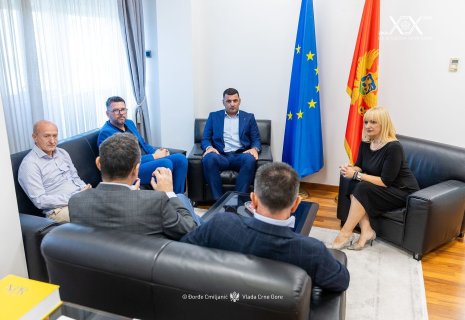
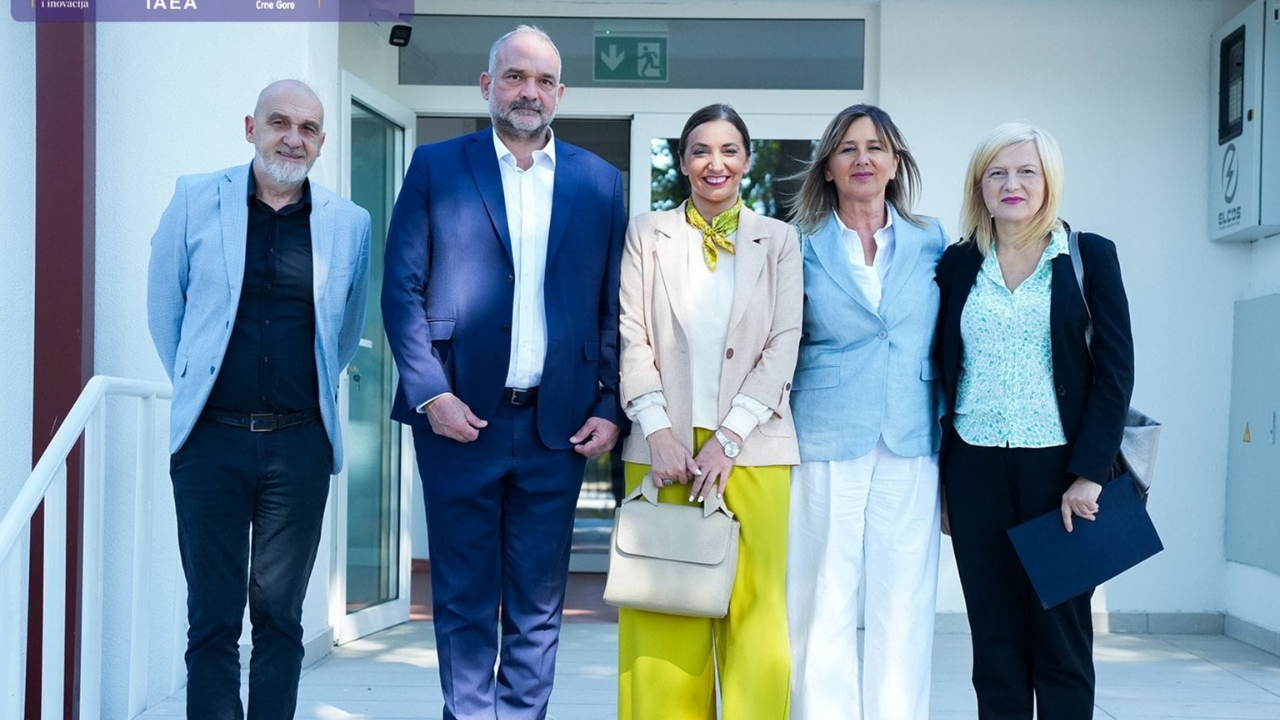
Ljiljana Vujisić, Acting Director General of the Directorate for Healthcare and Regulated Professions at the Ministry of Health, KCCG Board Chair Dr Tamara Tapušković, and Dr Vojislav Mandić, Head of the KCCG Department for Breast Disease Diagnostics, also attended the official handover ceremony.
Photo Montenegrin government website