Bosnia to develop its first workplace menopause policies
To mark World Menopause Day, Women on Boards Adria (WOBA) and the United Nations Population Fund (UNFPA) in Bosnia and Herzegovina are presenting a joint initiative through which ten women in senior positions in BiH companies will develop concrete women’s health policies for their own workplaces, among them the country’s first workplace menopause policies.
Menopause is not only a woman’s personal health matter. It is an organisational and financial matter for the company. Each year, 47 million women worldwide enter menopause, most often between the ages of 45 and 55, precisely the years in which a woman is at her most experienced, leads teams, and in which the company has invested most in her. And few of them reach senior positions in the first place.
According to WOBA research, more than three-quarters of medium and large companies in Bosnia and Herzegovina have no women at all in management positions, CE Report informs via the WOBA's official website.
Globally, UNFPA data show that nearly one in five women have left a job or considered leaving one because of menopausal symptoms. That is not a health loss, it is a knowledge loss. Employers pay twice: first in absence and lost productivity, then in recruiting and training a replacement.
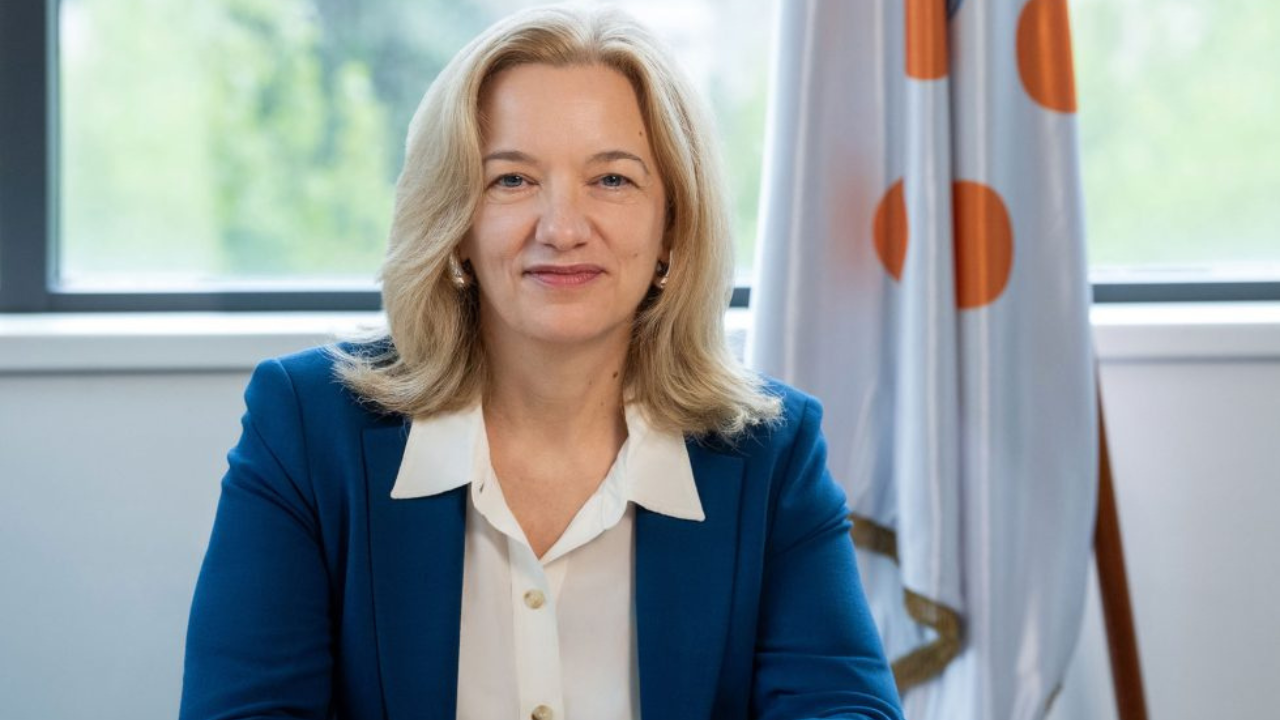
“When employers create workplaces that are responsive to the needs of women experiencing menopause, they not only support the rights and dignity of those employees, but also make a sound investment in retaining the valuable professional experience those women bring to the company. Where no one speaks about the realities of navigating menopause at work and no support exists, women bear the consequences alone and at a significant cost to them, their employers and the economy,” said Justine Coulson, UNFPA Representative in Bosnia and Herzegovina.
No research on menopause in the workplace has ever been carried out in Bosnia and Herzegovina. What is known, however, is what happens to women’s employment in those years.
According to the Labour Force Survey for 2025, 63 per cent of women aged 40 to 44 are in employment. That share falls to 46 per cent among women aged 50 to 54, and to 23 per cent among those aged 60 to 64. In other words, across the twenty years that span the menopausal transition and the years that follow, nearly two-thirds of employed women disappear from the labour market. How much of that fall is due to women’s health and how much is due to other factors has never been examined here. That is one of the gaps this initiative sets out to fill.
UNFPA and WOBA therefore see action on menopause as a ‘triple win’: health and dignity for women, productivity and retention for the organisation, and growth for the economy.
The initiative is accordingly being developed along two tracks, one research-based and one practical.
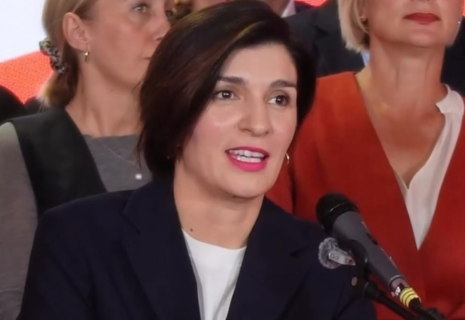
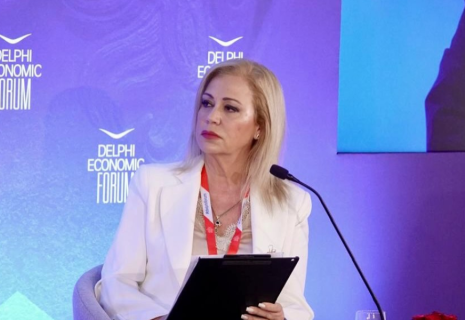
“Companies in this region cannot afford to lose their most experienced women at the very moment they are ready to lead, yet no one in Bosnia and Herzegovina has ever measured what menopause costs our workplaces. Together with UNFPA, we are changing that: through the country’s first research on the subject, and through ten women leaders who are writing women’s health into policy in their own companies. Women’s health does not stop at the office door. It belongs at the same table as every other decision about people,” said Biljana Braithwaite, Chair of WOBA.
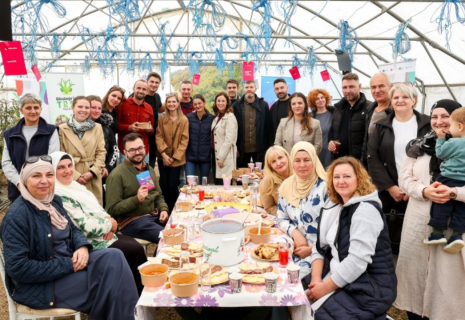
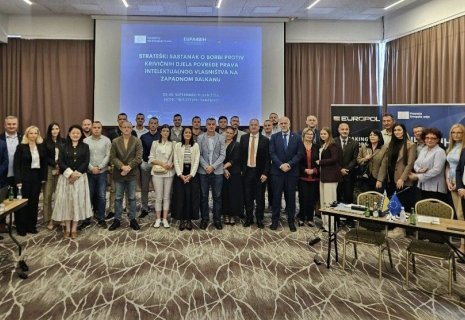
The programme brings together ten women in senior positions in BiH companies. Across four sessions, the first of which was held this month, they are developing initiatives for their own companies in three areas: women’s health and disease prevention, women’s equality and leadership, and gender-transformative workplaces.
All the initiatives will be brought together in a joint WOBA–UNFPA document, which will serve both organisations as a basis for their work with companies and decision-makers.
World Menopause Day is marked on 18 October at the initiative of the International Menopause Society and the World Health Organisation, with the aim of raising awareness of menopause and of the support available to women. This year’s theme is chronic pain at midlife.
Photo WOBA