Women handle up to 80% of food supply chain in Bosnia, UN says
Women in rural areas of Bosnia and Herzegovina play a vital role in the food supply chain.
Between 60% and 80% of all food in Bosnia and Herzegovina passes through women's hands, yet women in agriculture often face barriers in production, access to financing, and the growing impacts of the climate crisis, CE Report informs via the United Nations in Bosnia and Herzegovina's official website.
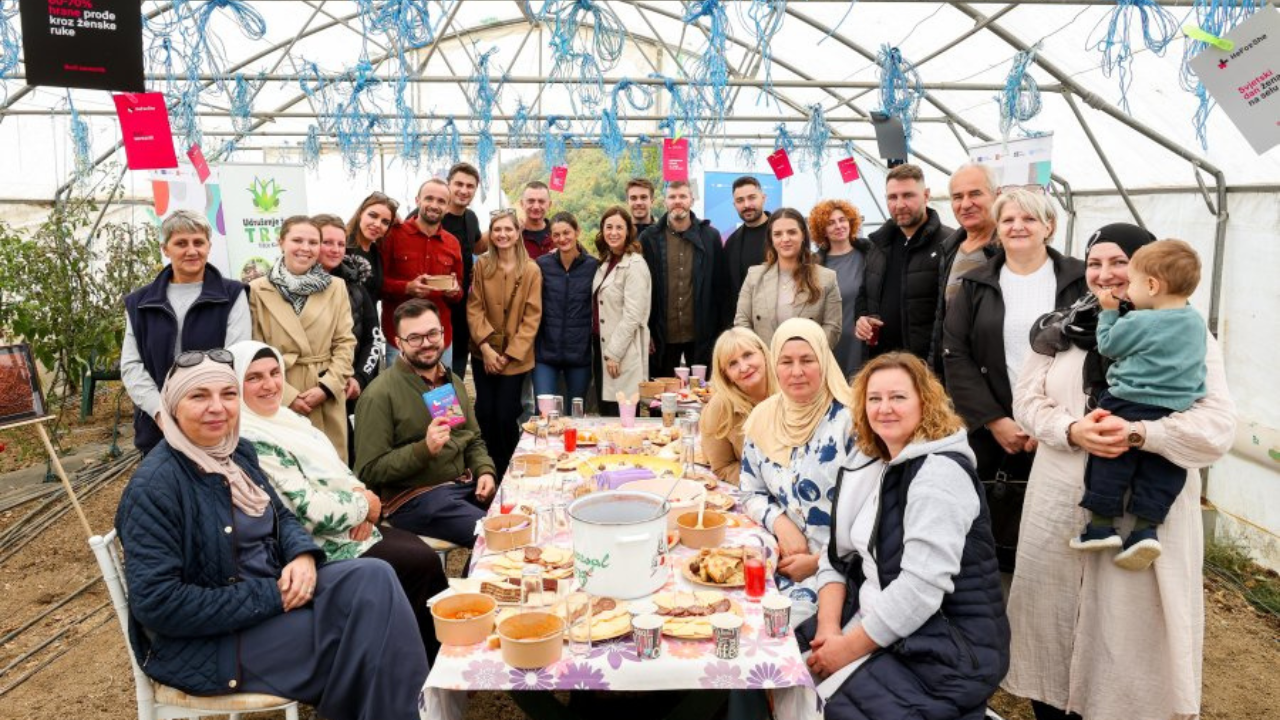
On the International Day of Rural Women, UN Women, through the joint Gender Equality Accelerator programme, engaged HeForShe allies for gender equality, Neno Svjetlanović and Amel Tuka, to highlight the important role women play in the food supply chain in Bosnia and Herzegovina.
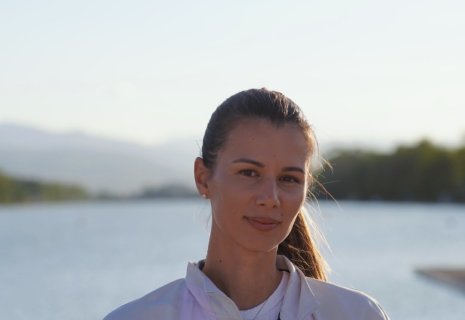
Neno Svjetlanović, known as Neno Cooks on social media, prepared a goulash using organic produce grown by Svjetlana Šolbić, an agricultural entrepreneur from the village of Paočine near Kakanj.
Šolbić runs one of the largest organic farming operations in the region together with her husband, but notes that this year has been particularly difficult.
“It has been a very challenging year for agricultural production. The drought, and the broader climate crisis, have taken their toll. We need a comprehensive climate resilience system to protect agricultural production and, above all, the women who play a leading role in food production in Bosnia and Herzegovina. I am pleased to see HeForShe allies Amel and Neno come to support us and recognize the many women in our rural communities who, often under difficult conditions, produce food. We all know how important it is for any society to have its own food production,” said Svjetlana Šolbić, an agricultural entrepreneur from Kakanj.
The HeForShe movement was recently launched in Bosnia and Herzegovina, and the first ally to join was BiH athlete Amel Tuka. Recognizing the importance of engaging men in efforts to achieve gender equality, Tuka used the opportunity to express his support for all women who work hard to produce food.
“Today, we are speaking specifically about rural women, whose hard work and contribution are too often taken for granted. Behind every household, agricultural holding, and successful local community stands a great deal of work that is not always sufficiently visible. It is important that we acknowledge, value, and support that work, not only through words but through actions as well. As someone from Kakanj, I am pleased to be part of a conversation that concerns our people and our communities. I believe we can all contribute to creating opportunities for girls and boys, women and men alike, to realize their full potential and build a better future. For me, being a HeForShe ally means exactly that, not standing on the sidelines when we have the opportunity to make a difference, but leading by example and demonstrating that respect, support, and equality are values we should all live by,” said Tuka.
The HeForShe movement in Bosnia and Herzegovina was launched through the joint Gender Equality Accelerator programme, implemented by UN agencies in BiH: UN Women, UNDP, UNFPA, and UNICEF, with financial support from the European Union and the governments of Denmark and Sweden, in partnership with the Agency for Gender Equality of Bosnia and Herzegovina, the Gender Center of the Federation of Bosnia and Herzegovina, and the Center for Gender Equality of Republika Srpska.
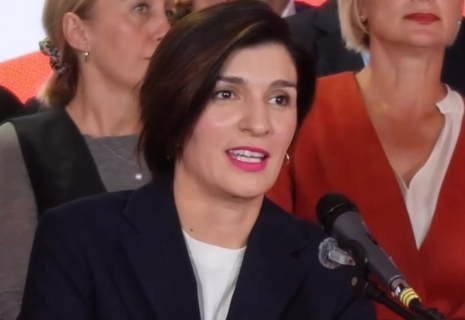
Speaking at event, Jo-Anne Bishop, UN Women Representative in Bosnia and Herzegovina, emphasized that rural women deserve greater attention and support.
“Every day, rural women help ensure that food reaches our tables. They grow our food. They run their own businesses. They sustain families and support local communities. Yet their work, knowledge, and leadership too often go unrecognized. We rely on their contributions every single day. But do we truly value them enough? And perhaps just as importantly: who supports the women who do so much to support everyone else? Too often, women are expected to do it all. To grow a business. To care for their families. To manage a household. To contribute to their communities. And somehow still find the time and energy to do even more. But gender equality cannot be something women are expected to achieve on their own. It is a shared responsibility. Creating lasting change requires more than individual efforts. It requires us to challenge the attitudes, expectations, and systems that continue to limit women’s opportunities,” said Bishop.
Despite operating in a challenging environment, rural women remain a crucial link in food production in Bosnia and Herzegovina. HeForShe allies will continue to raise awareness about important social issues, because achieving gender equality is the responsibility of the entire community.
Photo United Nations in Bosnia and Herzegovina