Slovenia hit by worsening spring drought
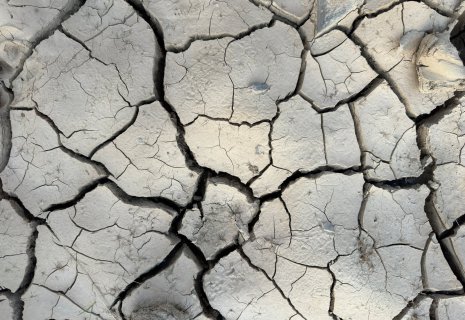
This year's spring has been marked by above-average temperatures, frequent winds and low precipitation levels, creating perfect conditions for a slow-onset drought.
The situation is currently the worst in eastern Slovenia, where hydrologists report historically low river flows, and relief is not yet on the horizon.
Recent rainfall brought only limited relief to western regions and little to no rain in eastern Slovenia, CE Report quotes The Slovenia Times.
The Environment Agency's monitor shows extreme drought conditions across the entire Drava and Mura watersheds in the east, moderate drought conditions in the southeast, and severe drought across the rest of the country, except for the westernmost regions.
The near-term forecast offers little hope for improvement: only scattered rainfall is expected in the coming days, and no major rain system is expected to hit the drought-stricken northeast.
Low river flows
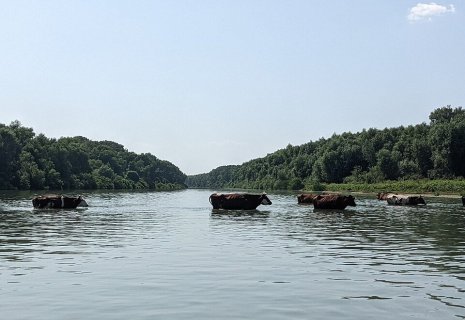
Due to an extended drought, river flows are at exceptionally low levels as well, which can have an impact on species relying on the ecosystem.
"Only 40% of the usual volume of water flowed through Slovenian rivers in April," hydrologist Janez Polajnar told the Slovenian Press Agency.
Several rivers, including the Mura near Gornja Radgona in the east, and the Sora and the Idrijca in the west, had recorded their lowest average April flows in decades. "The rain quantities forecast for next week will not change much," Polajnar added.
Farmers warn of mounting crop damage
The drought is already taking a toll on agriculture, particularly in the northeastern region Pomurje, Slovenia's bread basket, where fodder crops, maize and winter cereal have all been hit.
"We are seeing uneven emergence in spring sowings, while in some places plants have not emerged at all," said Boštjan Ferenčak of the Murska Sobota branch of the Agriculture and Forestry Institute.
March and April rainfall amounted to only about half the seasonal average. The dry upper soil layer is also reducing the effectiveness of herbicides, allowing weeds to compete for scarce water and nutrients.
"Even if rain still comes, cereal yields will be 20-30% lower because key development phases were already stressed by the lack of water."
Fruit growers are also reporting problems as trees are showing signs of stress during a crucial development stage, and hops growers in the Savinja Valley are concerned, too.
"Drought comes earlier now, it used to begin in June, but now it is more like May or even April," hops farmer Aljoša Uršič told the public broadcaster.
Irrigation systems help mitigate the situation, but drought still causes a lot of damage in farming. The 2025 figure was €42 million.