World Bank: Western Balkans growth downgraded on Middle East spillovers - EXCLUSIVE
Our latest projection for North Macedonia is slightly lower than our earlier forecasts due to a weaker global economic environment, driven primarily by the conflict in the Middle East. This is leading to higher-than-expected fuel and fertilizer prices, which in turn are resulting in higher inflation, wider current account deficits, weaker private consumption, and lower private investment. Consequently, growth projections have also been revised downward for the entire region. However, I should emphasize that our projections are subject to significant uncertainty, as it remains unclear how long the conflict in the Middle East will last.
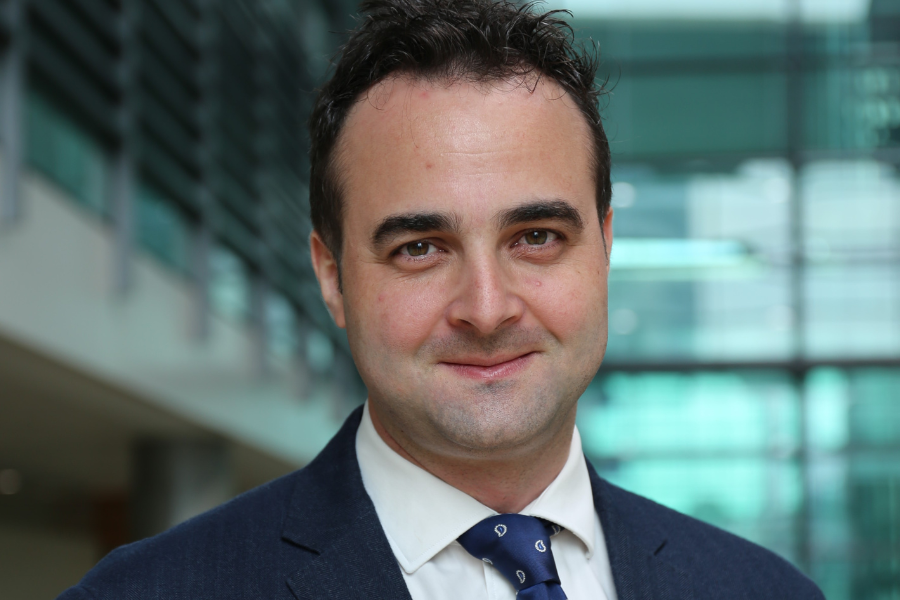
This was stated by Richard Record, World Bank Chief Economist for the Western Balkans, in an exclusive interview with CE Report.
Despite more people getting an education, the Western Balkans region is not making the most of its workforce. Too many people — particularly women and young people — are out of work, looking for work, or stuck in jobs that don't match their skills. This means the region is missing out on a significant opportunity to grow its economy and improve living standards.
The challenge is compounded by two powerful trends: rapid population aging and widespread outmigration. The Western Balkans are among the fastest-aging societies in Europe, with at least one in five people expected to be over 65 within the next decade. At the same time, working-age people are leaving the region in large numbers — across all skill levels — creating the paradox of labor shortages and high unemployment existing side by side.
The potential gains from addressing this are substantial. Bringing workforce participation rates in line with comparable EU countries could add more than 2.8 million people to the regional labor market. Getting more women into work alone could boost annual economic growth by around 0.35 percentage points — a meaningful difference that would compound over time.
The region has a real opportunity to unlock the potential of workers who are currently on the sidelines — particularly women and young people. Making better use of this untapped talent is essential for sustaining economic growth and keeping public finances on a sound footing.
This will require reforms in three key areas: removing financial disincentives that discourage people from working and making it easier to balance work with family care responsibilities; better matching skills to employer needs while providing stronger support for the most vulnerable jobseekers, including young people neither in work nor education; and creating more job opportunities that are flexible, fair, and accessible to all — including gig workers.
Together, these steps could get more people into productive work and put the Western Balkans on a stronger long-term growth path.
Some of these policy reforms are already being supported by the World Bank Group in the region, including in North Macedonia, where one of the projects we support invests in the development and expansion of community-based social services — providing people, especially women, with jobs while improving the quality of life for the elderly.
Similar to in other European economies, the countries of the Western Balkans have been affected by the conflict in the Middle East. The impact of the conflict is coming primarily through rising imports costs, especially for fuel and fertilizers, which are pushing up inflation and thereby weighing on private consumption. Investment will also be affected owing to the tighter financing conditions and weaker investor sentiment.
This interview was prepared by Julian Müller