France to temporarily remove vulnerable museum exhibits
Some exhibits in French museums that could become targets of robberies similar to the Louvre heist should be temporarily removed from display cases, the Ministry of Culture said as it unveiled a series of measures aimed at establishing a "culture of security" in museums, AFP reported.
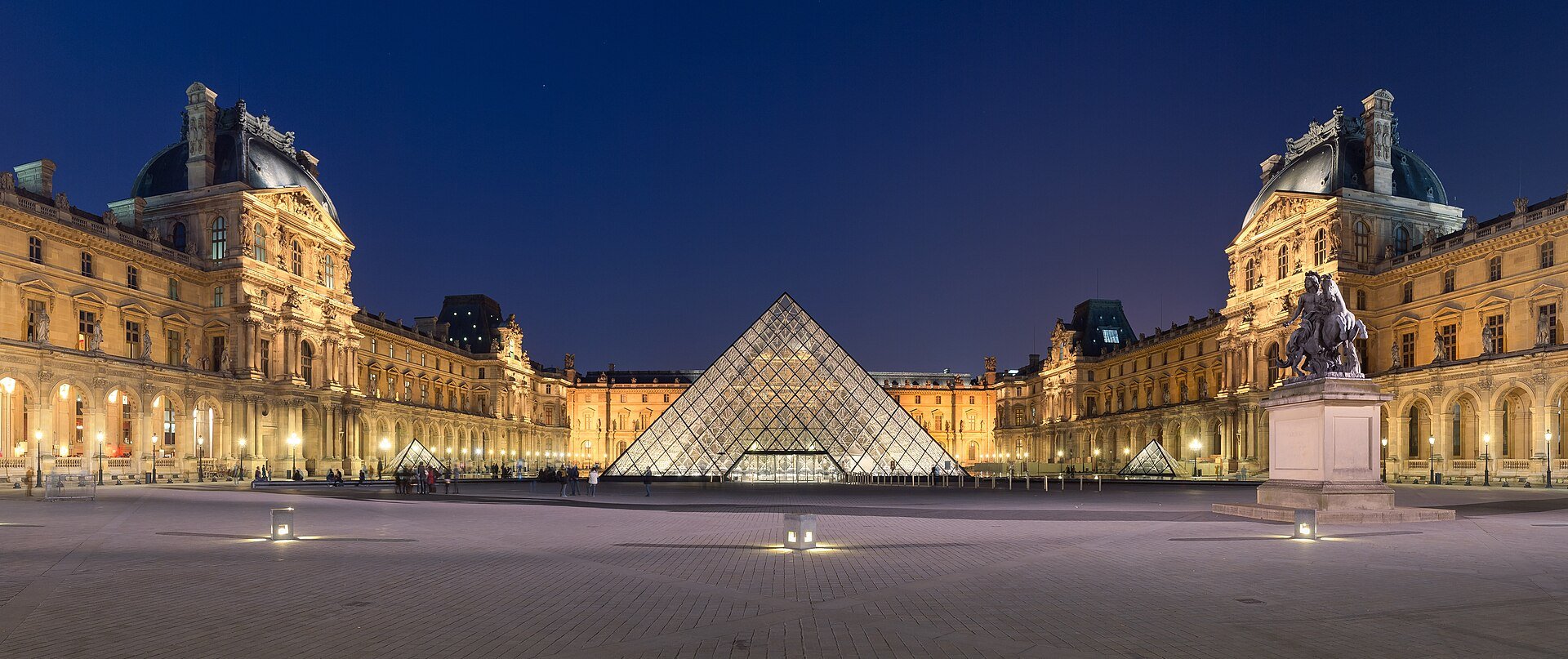
Nine months after the spectacular robbery at the Louvre, the world's most visited museum in central Paris, during which eight pieces of the French Crown Jewels—still unrecovered—were stolen from the Apollo Gallery, the ministry acknowledged that museum security is now more important than ever, with recent events reinforcing that concern, CE Report quotes AGERPRES.
On Friday, a gold necklace from the Vix Treasure, dating back to the Celtic era and buried in Burgundy, eastern France, 2,500 years ago, was stolen in broad daylight from a museum in Châtillon-sur-Seine, which had already been targeted in two previous attempted thefts.
Earlier this month, thieves stole jewelry from the Lalique Museum in Wingen-sur-Moder, north of Strasbourg in eastern France. The estimated loss exceeded 4.5 million euros.
Under a plan containing 33 measures unveiled on Monday, the Ministry of Culture recommends the temporary removal of certain museum exhibits from display cases.
The ministry said the goal is to place the most vulnerable objects in secure locations identified for each department until their exhibition conditions can be properly reinforced.
"Violence has intensified, and we must address it every day. It has become imperative, whereas it was not the case 20 years ago," Culture Minister Catherine Pégard said.
'A culture of security'
Asked about the specific works concerned and how they would be preserved, the minister declined to provide details, citing security reasons.
Dominique Garcia, president of the National Institute for Preventive Archaeological Research (INRAP), suggested over the weekend in Le Figaro that museums should display high-quality replicas while keeping the originals in secure vaults for protection.
Pégard rejected the idea, saying she does not support replacing original works with copies.
"The mission of a museum is to display masterpieces," she said.
At the Louvre, the Apollo Gallery reopened to the public on Wednesday, but without any objects on display.
To better protect artworks in French museums, the minister said she wants to establish a "culture of security and risk awareness" at every level.
She stressed that security must become a priority not only for museum directors but also for all staff, with particular emphasis on training.
Under the new plan, museums will also be subject to mandatory random inspections by security advisers from the Ministry of Culture's Security, Safety and Audit Mission.
The measures were developed by a working group based on the findings of several parliamentary committees that examined museum security following the Louvre theft.
Pégard also said that 3,127 sensitive sites—including 1,200 museums, as well as churches and historic monuments—have been mapped for enhanced monitoring.
In addition, around 10 million euros has been invested to support 482 security projects in French museums and historic monuments. The funding comes from the Museum Security Fund, a mechanism established after the Louvre robbery with a total budget of 30 million euros over three years.
Photo: Wikipedia