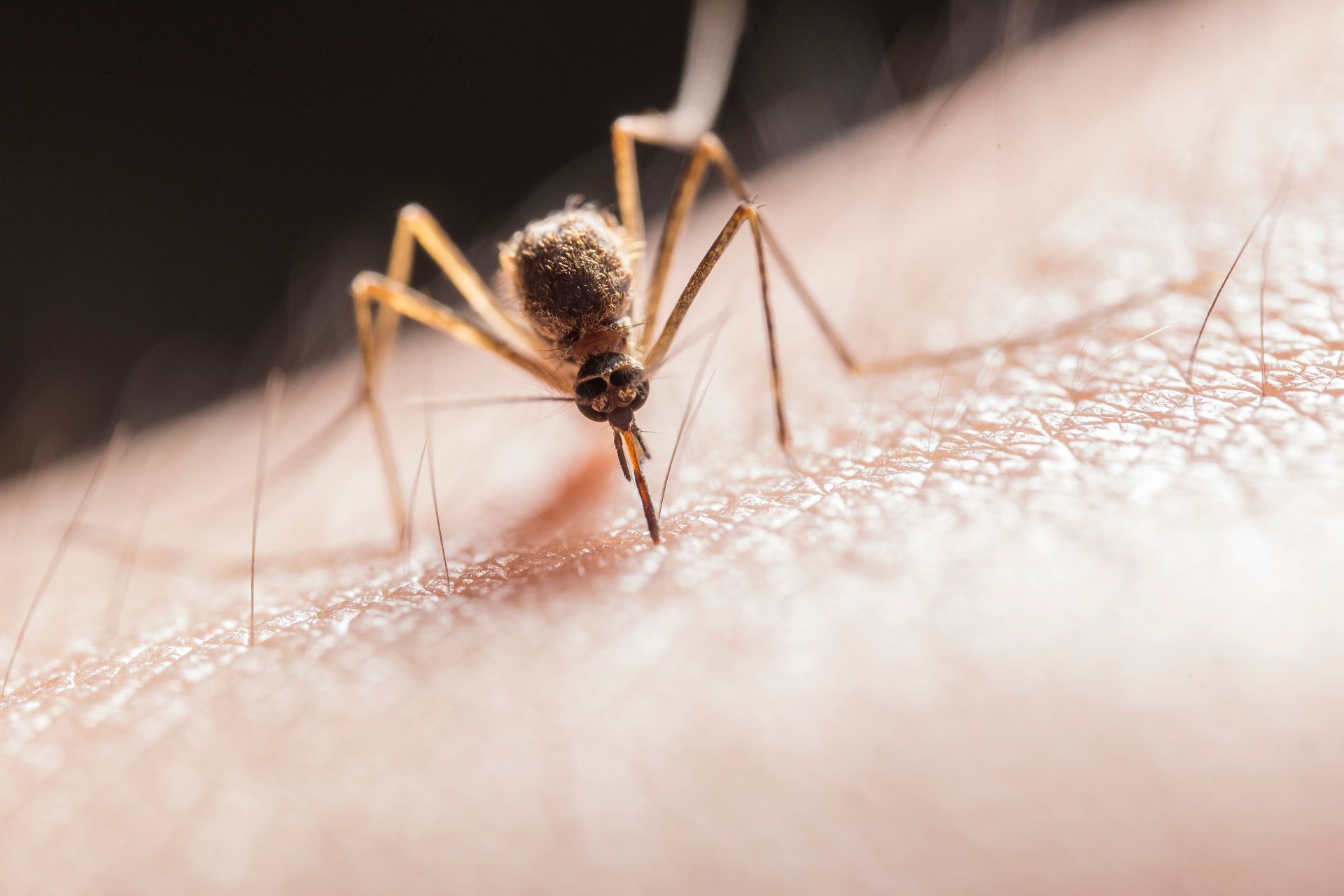
West Nile virus continues to spread across Greece
The number of West Nile virus infections in Greece continues to rise, according to an announcement of the National Public Health Organisation (EODY), which on Wednesday reported 23 additional locally acquired cases over the past week.
Since the start of the surveillance period and up to 5 August, a total of 65 locally acquired cases of West Nile virus infection have been diagnosed in Greece. Of these, 54 patients developed central nervous system (CNS) complications -including encephalitis, meningitis and/or acute flaccid paralysis - while 11 patients experienced mild symptoms or no CNS involvement, CE Report quotes ANA-MPA.
During the past week alone, 23 new locally acquired cases were diagnosed and reported. In total, six deaths have been recorded among patients aged over 65, who developed CNS complications associated with the infection.
The announcement said that 20 patients were currently hospitalised, including eight in intensive care units (ICUs) and four in high-dependency units (HDUs).
Geographical distribution
Up until Wednesday, West Nile virus infections in 2026 have been recorded and investigated in 25 municipalities across 10 regional units in the regions of Attica, Thessaly and Central Macedonia. The affected regional units are:
East Attica
North Athens
West Attica
Central Athens
South Athens
Karditsa
Larissa
Trikala
Pella
Serres
EODY states that further cases are expected in the coming weeks, both in the currently affected areas and in new locations that cannot be predicted with certainty. It notes that Attica has experienced particularly intense virus circulation this year, with a significantly increased number of cases in certain areas. Among the worst affected municipalities are those of Spata-Artemida (11 cases), Markopoulo Mesogaias (seven cases) and Pallini (five cases) in Attica, with several cases reported in other east Attica municipalities but also in central Athens and the coastal suburbs. Scattered cases, some of which are still under investigation, have been recorded in other parts of Greece.
In addition to the municipalities and municipal communities where human cases have been recorded during the 2026 transmission season, the Working Group for the Identification of Areas Affected by Vector-Borne Diseases, after assessing epidemiological and geographical data, has designated the following as high-risk areas:
Marousi
Iraklio (Heraklion, Attica)
Filothei-Psychiko
Metamorfosi (North Athens Regional Unit)
The 1st and 4th Municipal Communities of the Municipality of Athens
Nea Philadelphia-Nea Chalkidona (Central Athens Regional Unit)
Amphipolis (Serres Regional Unit)
Heroic City of Naousa (Imathia Regional Unit)
No human cases have yet been recorded in these high-risk municipalities during the current transmission season. However, they have been classified as high risk because of factors that increase the likelihood of virus transmission and future cases, including proximity to affected municipalities, geographical characteristics, and current and historical epidemiological data.
Public health recommendations
EODY emphasises that epidemiological surveillance, the timely implementation of integrated mosquito control programmes, and the use of personal protective measures against mosquito bites remain the most effective means of controlling the disease.
The organisation stresses the need for continued vigilance among healthcare professionals as well as local and national authorities. Because the epidemiology of West Nile virus is influenced by multiple factors, it is not possible to predict with certainty which areas will experience virus circulation or human cases during any transmission season.
EODY therefore recommends that the public take personal protective measures against mosquito bites throughout Greece for the entire mosquito season.
Photo: Pexels (Free Stock Photos)