Turkish researchers develop AI system for ectopic pregnancy detection
An artificial intelligence model developed by Turkish physicians and engineers to detect ectopic pregnancy has been published in the international scientific journal IEEE Access, marking its entry into the global scientific literature.
According to a statement from the Medicana Health Group, Dr. Gültekin Koçun, an Obstetrics and Gynecology Specialist at Medicana International İzmir Hospital, and his research team carried out a study focused on ectopic pregnancy, a condition that poses a serious threat to women's health and lives, CE Report quotes Anadolu Agency.
The newly developed AI model successfully identified ectopic pregnancy cases with up to 99 percent clinical accuracy.
The model also diagnosed healthy pregnancies with 99.8 percent accuracy, reducing the likelihood of misdiagnosis to less than 1 percent.
The study has been published in IEEE Access, an internationally recognized scientific journal in the fields of engineering and technology, giving the research global scientific recognition.
Earlier warning and fewer surgeries
Commenting on the study, Dr. Gültekin Koçun emphasized that accurate diagnosis is just as important as early detection in cases of ectopic pregnancy.
He explained that when the condition is diagnosed early, patients can often be treated without surgery by using medications that stop cell growth, allowing the pregnancy tissue to be naturally absorbed by the body.
"Non-surgical treatment is important for preserving future reproductive health. Thanks to the artificial intelligence support we have developed, physicians will be able to receive warnings at a much earlier stage. In many cases, appropriate treatment can be initiated before surgery even becomes necessary," Koçun said.
The researchers believe the AI-assisted system has the potential to improve clinical decision-making, reduce unnecessary surgical interventions, and help protect patients' long-term reproductive health through earlier and more accurate diagnosis.
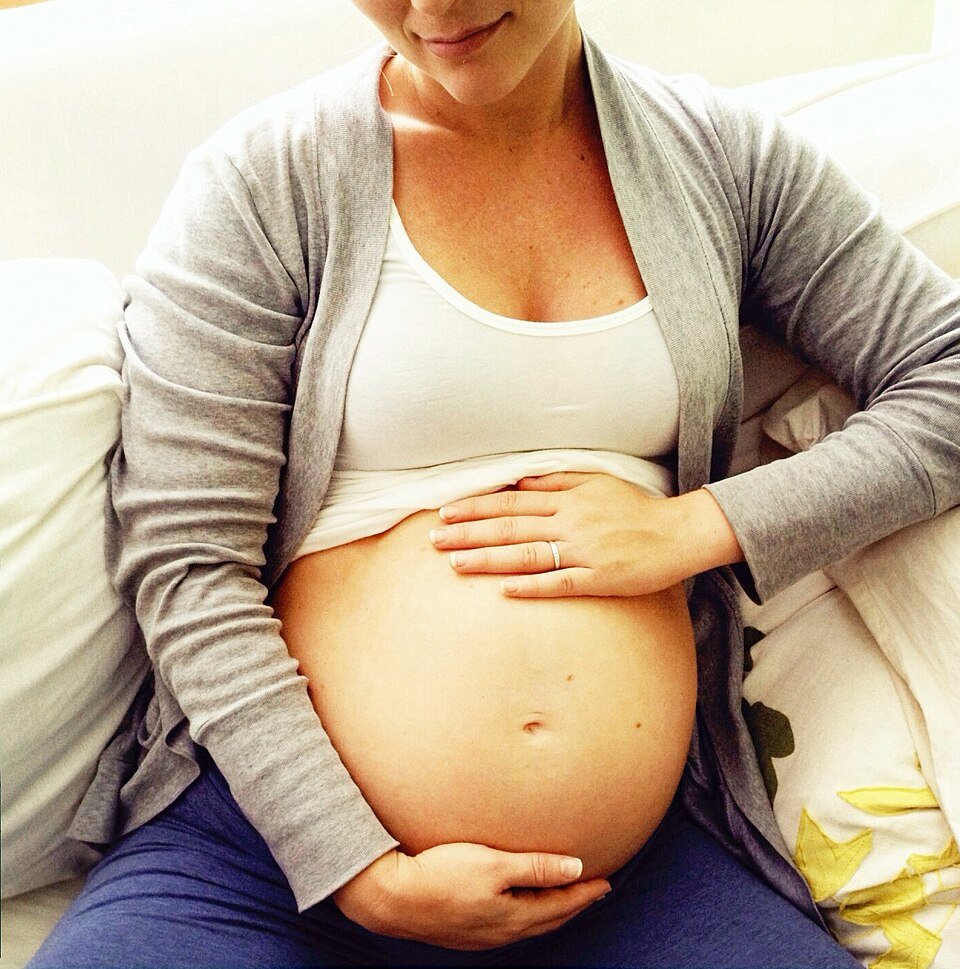
Photo: Wikipedia