Moldova offers authentic travel experiences amid blooming landscapes in April
Moldova in april 2026: living traditions, blossoming nature, and authentic experiences for tourists
April, known in popular tradition as “Prier,” marks one of the best periods to discover the authentic beauty of the Republic of Moldova.
It is the time when nature comes back to life, and villages and cities acquire a special atmosphere, dominated by holidays, customs, and spectacular landscapes, CE Report quotes MOLDPRES.
Spring offers a perfect balance between tradition and nature, giving tourists the opportunity to experience an authentic rural lifestyle, while also participating in cultural and religious events with deep symbolic meaning.
April is a month of rebirth, reflected both in the landscape and in community life. Green fields, blooming orchards, and mild temperatures create ideal conditions for rural tourism, hiking, and exploring Moldovan villages, where traditions are carefully preserved.
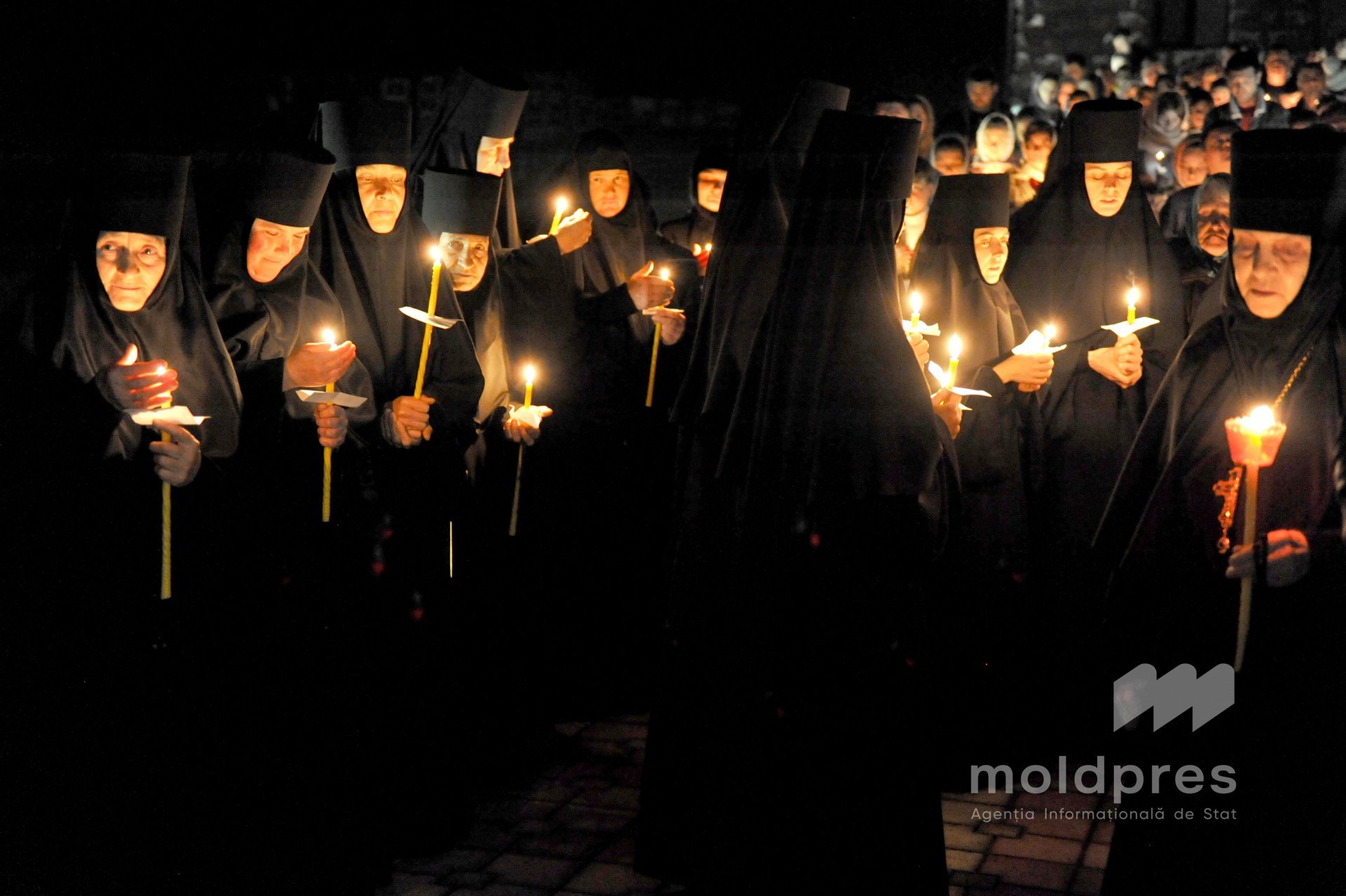
One of the main attractions during this period is the Easter celebrations. In 2026, these begin with Palm Sunday and culminate with Easter, offering visitors the chance to participate in authentic rituals. In villages, tourists can attend the blessing of willow branches, watch the preparation of decorated eggs, or learn about the symbolism of traditional dishes such as pasca and round loaves (colaci).
During this period, traditional crafts gain special visibility. Egg decorating, an art passed down through generations, becomes a true visual spectacle, and tourists can interact directly with artisans in workshops organized in rural communities.
April is also rich in folk traditions that can be leveraged for tourism. Customs such as Lăzărelul or the Sheep Festival (Sâmbra Oilor) reflect the deep connection between humans and nature, offering visitors authentic cultural experiences. In rural areas, these rituals are accompanied by music, dance, and local gastronomy, turning them into real community events.
Beyond cultural experiences, Moldova offers opportunities for nature tourism. Clear skies and longer nights favor the observation of astronomical phenomena, such as the Lyrid meteor shower, visible in the second half of the month. Tourists can combine cultural exploration with stargazing in rural areas free from light pollution.
April is also suitable for thematic tours related to rural life. Visitors can participate in seasonal agricultural activities, discover traditional households, or explore ecotourism trails that pass through forests, hills, and vineyard regions.
Another distinctive aspect is the natural rhythm of life. Days become longer, and outdoor activities are in full swing, giving tourists an authentic perspective on how local communities adapt to the cycles of nature.
Thanks to its cultural and natural diversity, Republic of Moldova in April becomes an ideal destination for those seeking authentic experiences, tranquility, and direct contact with traditions. Whether it is participating in religious holidays, exploring villages, or discovering spring landscapes, this period offers a complete framework for local tourism development.
April is therefore not just a spring month, but also an open invitation to rediscover the traditional values and natural beauty of Moldova.
Traditional Easter dishes in Moldova
Easter occupies a central place in the culture and traditions of Republic of Moldova, marked not only by religious rituals but also by a rich variety of traditional culinary dishes.
Easter meals are carefully prepared in households and reflect the symbolism of rebirth and abundance. Among the most representative dishes are red eggs, considered symbols of life and the Resurrection. They are traditionally dyed on Holy Thursday and are essential on the festive table, also used in the custom of egg tapping.
Another defining dish is pasca – a ritual baked product made from leavened dough and usually filled with sweet cheese. Pasca is blessed in church and eaten on Easter Sunday, holding deep religious significance.
Lamb meat also occupies an important place on the Easter menu. It is prepared in various forms, including roasted or in soup, symbolizing sacrifice and purification. In some households, the tradition of making lamb pâté (drob) from organs, herbs, and eggs is preserved.
Traditional sweet breads (cozonaci) are also served, prepared from sweet dough and filled with nuts, poppy seeds, or Turkish delight. They complete the festive menu and are often prepared in large quantities to be shared with family and guests.
Alongside these dishes, households prepare other traditional foods, such as stuffed cabbage (sarmale), pies, and homemade specialties, depending on regional customs.
Traditionally, some of these foods are placed in a basket and taken to church to be blessed on Easter night. Later, they are consumed with family, marking the end of the fast and the start of the festive period.
Easter dishes are not only a culinary component but also an element of cultural identity, reflecting the community’s spiritual and cultural values. They help preserve traditions and strengthen family and social bonds during this important time of year.