Tirana named one of Europe’s cheapest city breaks
When an archaeologist in the Albanian port city of Durrës noticed that a fig tree had fallen into a hollow near the city walls, he initially did not realize what he had discovered.
However, while digging underneath, he found several stones. They appeared ancient — and indeed they were, CE Report quotes Kosova Press.
They turned out to be part of a massive Roman amphitheater capable of holding 20,000 spectators, dating back to 100 AD, writes Tom Chesshyre for the Daily Mail.
It was the year 1966.
Suddenly, after major excavations, Durrës revealed a “new” ancient arena, 66 meters high.
Tirana, the capital of Albania, and the nearby port city of Durrës, located 35 kilometers to the west, are full of unexpected discoveries.
But they all share one thing in common: excellent value for money. Tirana has just been ranked the third cheapest city in Europe according to the 2026 Post Office City Costs Barometer.
Entrance to the spectacular amphitheater? £2.30. Tickets for a performance at Tirana’s Opera House? £3.50. Entry to the best museums? £6. A three-course meal at an upscale restaurant serving traditional regional cuisine? Around £25.
Meanwhile, visitors can expect to pay about £65 for a double room in a stylish hotel in Tirana, while round-trip flights cost only around £30.
Analysts at the credit card company Zable recently ranked Albania ahead of Plovdiv and Tallinn in a “Bang For Your Buck” survey.
Some even say it is the cheapest city-break destination in Europe.
Exploring both Tirana and Durrës during a long weekend offers a perfect first taste of one of Europe’s lesser-visited countries. Durrës is an ideal day trip, with round-trip bus tickets costing just £2.70.
Walking along the marina and amphitheater with a breeze coming from the Adriatic Sea is a pleasure.
A park stretches along the seafront, filled with statues of gladiators, ancient fishermen, and — somewhat surprisingly — figures of John Lennon, Tina Turner, Bob Dylan, and Mick Jagger.
The statues are entertaining: Jagger is shown dancing, Lennon playing guitar, Dylan looking slightly confused about appearing in an Albanian port, and Turner proudly posing.
They were installed to symbolize Albania’s cultural openness after communism.
After all, only 35 years have passed since the fall of dictator Enver Hoxha’s oppressive regime.
Visitors pass the Venetian Tower and stop for pizza (£4.50) and a Korça beer (£2.70) at a bar on the pier, celebrating the great value compared to other Mediterranean tourist destinations.
Back in Tirana, tourists visit House of Leaves Museum, a former surveillance center operated by Sigurimi, Hoxha’s feared secret police. There, visitors learn about killings, disappearances, wiretapping, and how family members spied on each other.
Hoxha clearly had paranoid tendencies.
During his rule, he built around 175,000 bunkers to prepare for nuclear war. One of them stands near Skanderbeg Square, named after Albania’s national hero who defeated the Ottomans in the 15th century.
It is called Bunk'Art 2, featuring thick steel doors leading to rooms that display even more horrifying stories from the communist era, alongside modern art installations meant to lighten the atmosphere.
There is also Bunk'Art 1, a much larger shelter that would have served as Hoxha’s headquarters after a nuclear attack.
Inside, visitors can see his bedroom and wood-paneled office, complete with a photograph of Joseph Stalin on the desk.
This strange and eerie complex is located near a cable car that carries visitors 3,000 meters up Mount Dajti, offering breathtaking views over the Albanian capital and its surrounding rugged peaks.
Yet the true joy of Tirana lies in its relaxed atmosphere and the sense of liberation from the tensions of the communist era.
The food is excellent. In the Blloku district — once home to the communist elite — visitors enjoy veal casserole and fine Albanian wine at Era before heading to Baza Bar for live music, where a singer performs songs by Amy Winehouse.
Beer costs £3.60, and a waiter even offers complimentary raki.
Locals speak enthusiastically about life in Tirana, a city they adore.
“It’s fun, it’s happy,” the writer concludes. “You never know what to expect.”
And all of it feels far removed from the harsh and brutal dictatorship of Enver Hoxha.
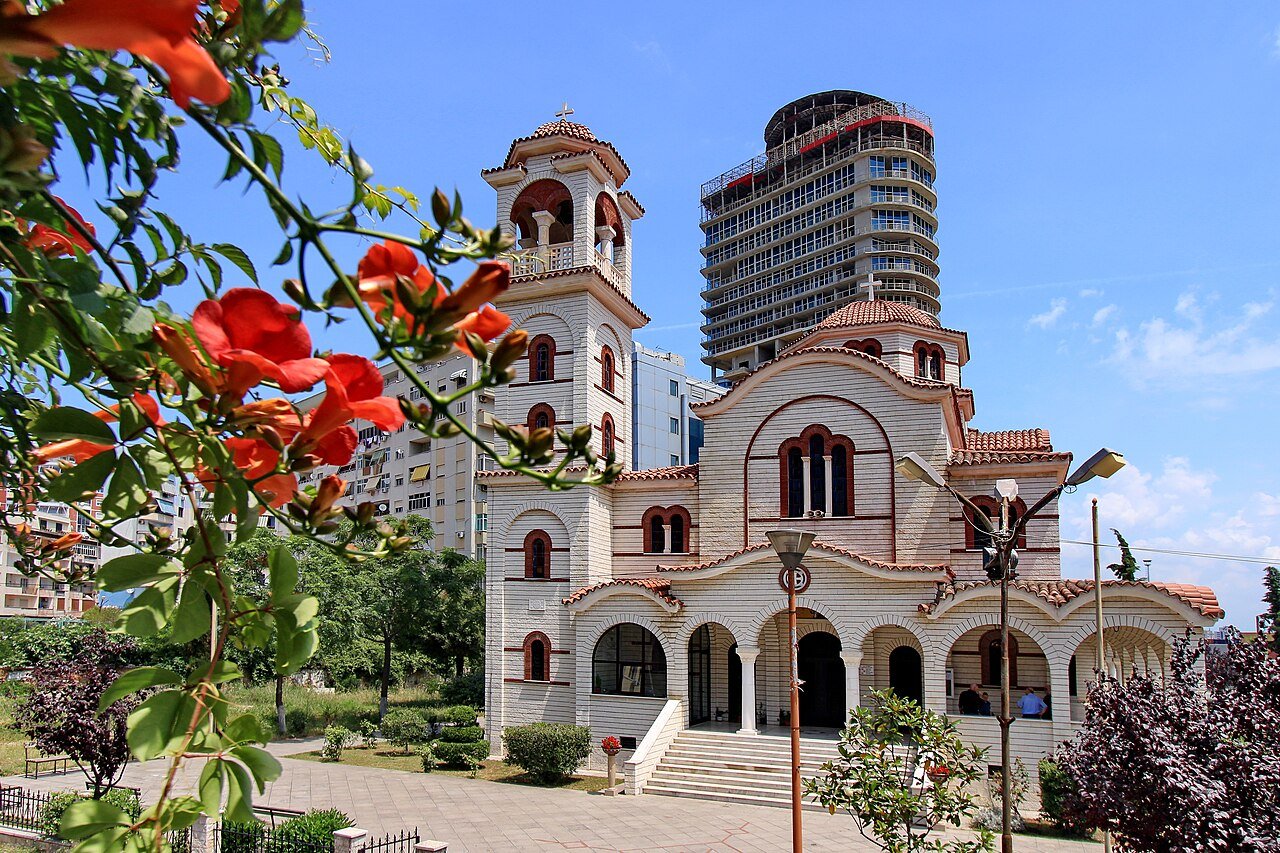
Photo: Wikipedia