How Türkiye turns scorpion venom into life-saving antivenom
Türkiye produces approximately 10,000 doses of scorpion antivenom annually, using a complex biological process that transforms scorpion venom into a life-saving serum used to treat venomous stings.
The antivenom is manufactured by the Department of Microbiology Reference Laboratories and Biological Products under the Ministry of Health's General Directorate of Public Health, CE Report quotes Anadolu Agency.
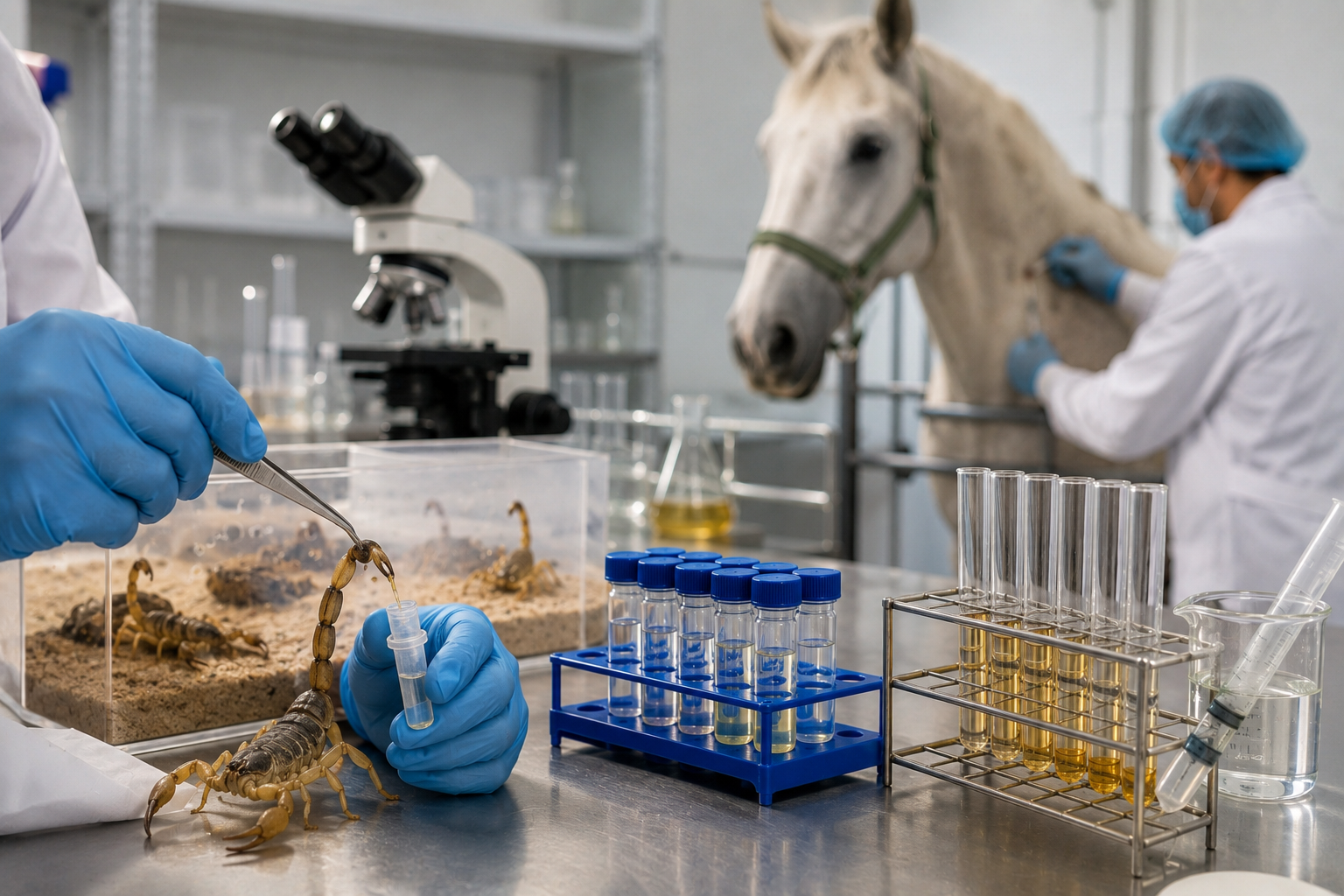
Laboratory supervisor and veterinarian Mehmet Ali Kanat said the production process begins with scorpions collected from eastern and southeastern Türkiye, where they are kept under controlled conditions.
Venom is extracted from the scorpions at regular intervals, but it cannot be used immediately. Kanat explained that the raw venom contains tissue residues that must be removed through a careful purification process to prevent deterioration and ensure product quality.
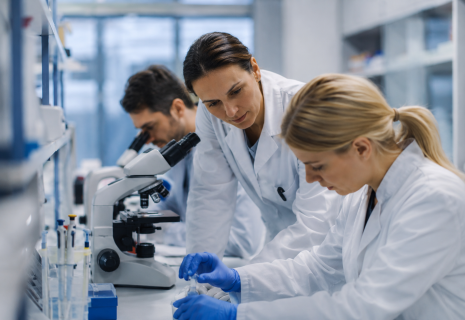
After purification, the venom undergoes protein, enzyme, and quality-control analyses before being used to immunize horses.
The laboratory currently uses 10 horses for antivenom production. The animals receive carefully controlled low-dose venom injections over time, allowing their immune systems to develop protective antibodies. Once antibody levels reach the required threshold, plasma is collected from the horses and purified until only antibodies effective against scorpion venom remain.
Following strict quality testing, the finished antivenom is distributed to health authorities and supplied nationwide.
Kanat noted that Türkiye's antivenom is produced using venom from Androctonus crassicauda, a highly venomous scorpion species native to southeastern Türkiye. Because its venom contains a particularly rich protein composition, the resulting antivenom is also effective against many dangerous scorpion species found across North Africa and the Middle East.
Scorpion sting incidents increase during the summer months, particularly in eastern and southeastern Türkiye and around Adana, with people sleeping outdoors or in tents facing the highest risk.
According to Kanat, widespread availability of antivenom has prevented fatal cases in recent years.
Although producing a single batch of antivenom requires nearly one year of work, Türkiye's current production capacity comfortably meets the country's annual demand of around 10,000 doses, with the ability to expand output if necessary.
Health officials also advised people staying outdoors during the summer to inspect their clothing and footwear carefully, as scorpions hiding inside garments or shoes may sting multiple times, increasing the amount of venom injected.
Photo: Chat GPT